Korean Cuisine
Dak Galbi (Spicy Stir-fried Chicken)
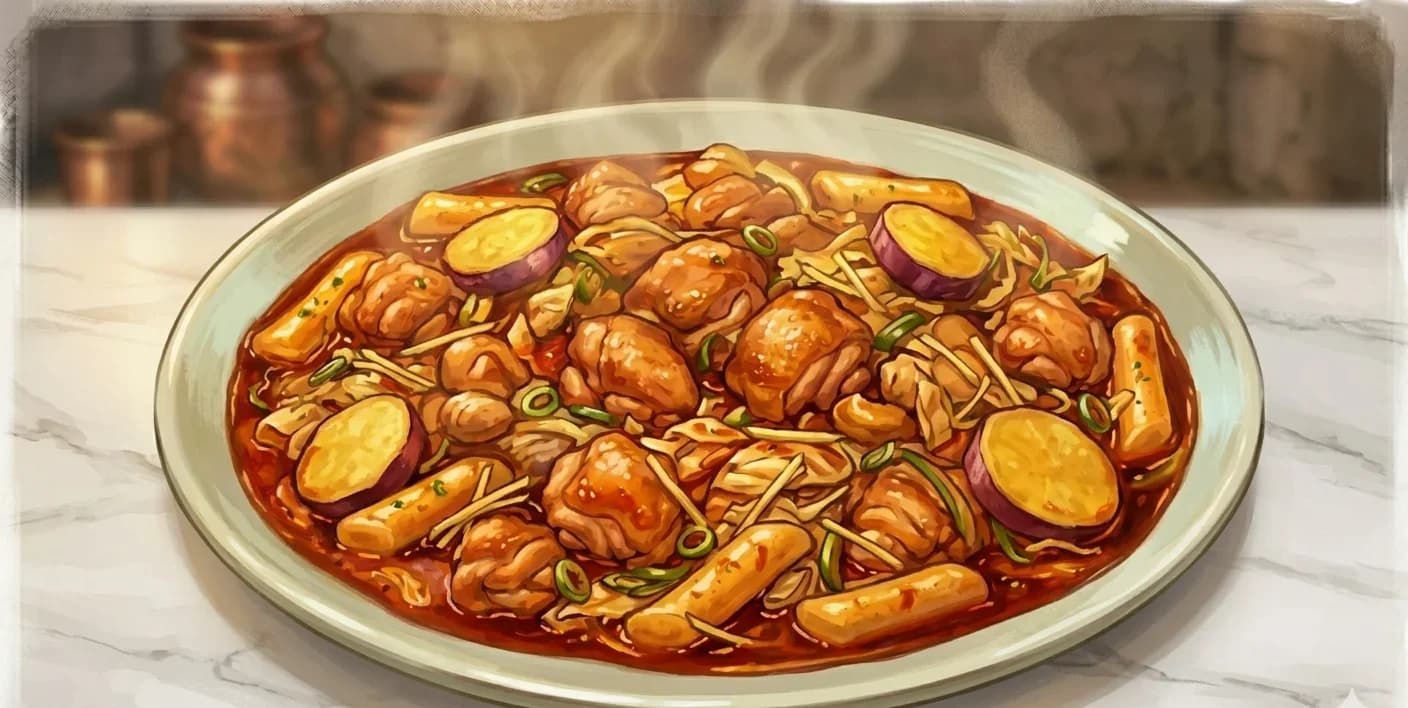
Chunky chicken thighs stir-fried in a fiery gochugaru sauce with rice cakes, sweet potato, and cabbage
Dak galbi is one of those dishes that turns a meal into an event. It comes from Chuncheon, a lake city in Gangwon province, where it originated as an affordable and satisfying street food before spreading to every corner of Korea. At dak galbi restaurants, the waitstaff brings out a massive cast iron pan loaded with raw chicken, vegetables, and a slick of spicy red sauce, then cooks everything at the table while you watch, talk, and wait for the signal that it is time to eat.
The sauce is the soul of the dish. A deep red blend of gochugaru (Korean chili flakes) and gochujang (chili paste) gives the chicken a complex heat that builds gradually. It is not the sharp, immediate burn of fresh chilies but a warm, lingering spiciness that opens up as you eat. Garlic and ginger add sharpness. A splash of soy sauce and a spoonful of sugar or rice syrup balance the heat with salt and sweetness.
The supporting cast matters almost as much as the chicken. Sliced rice cakes turn chewy and absorb the sauce as they cook. Sweet potato wedges go soft and slightly caramelized on their cut surfaces. Shredded cabbage wilts into the broth that forms at the bottom of the pan. Perilla leaves, torn and stirred in at the end, add a grassy, slightly minty note that brightens everything.
The best part comes at the very end. When the chicken and vegetables are nearly gone, add a bowl of steamed rice and some chopped kimchi to the pan, stir-fry it all together with the remaining sauce, and scrape up the crusty bits from the bottom. Many regulars at dak galbi restaurants will tell you this fried rice finale is what they come for.
At a Glance
Yield
3 servings
Prep
30 minutes (plus 30 minutes marinating)
Cook
20 minutes
Total
1 hour 20 minutes
Difficulty
Easy
Ingredients
Marinade Ingredients
- 1 lbboneless chicken thighs, cut into bite-sized pieces
- 2 tbspmilk
- 1 tbspsoy sauce
- 1/4 tspground black pepper
Sauce Ingredients
- 3 tbspgochujang (Korean chili paste)
- 3 tbspgochugaru (Korean chili flakes)
- 2 tbspsoy sauce
- 2 tbsprice wine (mirin)
- 2 tbsprice syrup (or corn syrup or 24 g sugar)
- 12garlic cloves, minced
- 2½ tspminced ginger
- 1/2 tspground black pepper
- ½ cupwater
Stir-Fry Ingredients
- 4 ozsliced rice cakes, soaked in cold water for 10 minutes
- 8 ozcabbage, cored and cut into bite-sized pieces
- 1/2medium sweet potato, peeled and sliced into 6 mm thick pieces
- 1/2large onion, sliced
- 1small carrot, peeled and sliced
- 1or 2 green chili peppers, sliced
- 12perilla leaves (or basil leaves), torn
- 30to 45 ml cooking oil
To Finish
- 1bowl cooked steamed rice
- 2 ozchopped fermented kimchi
- 1 tspsesame oil
Method
- 1
Marinate the chicken. Combine the chicken pieces, milk, soy sauce, and black pepper in a bowl. Mix well, cover, and set aside for at least 30 minutes. The milk helps remove any off-flavors from the chicken and tenderizes the meat.
- 2
Make the seasoning sauce. In a separate bowl, combine the gochujang, gochugaru, soy sauce, rice wine, rice syrup, minced garlic, ginger, black pepper, and water. Stir until smooth and set aside.
- 3
Layer the pan. Preheat a large, heavy cast iron skillet or shallow pan over medium-high heat with the cooking oil. Spread the cabbage across the bottom of the pan. Layer the onion, carrot, green chili pepper, sweet potato, and drained rice cakes on top. Place the marinated chicken in the center. Pour the seasoning sauce over the chicken and spread it with a wooden spoon. Add 1/2 cup water around the edges.
- 4
Cook covered. Cover the pan and cook over medium-high heat for 3 to 4 minutes until it begins to bubble actively. Reduce the heat to medium, uncover, and stir everything together so the sauce and ingredients mix evenly. Cover again and cook for 13 to 15 minutes more, stirring occasionally to prevent sticking. The chicken should be cooked through, the sweet potato tender when pierced with a knife, and the rice cakes soft and chewy.
- 5
Add perilla leaves. Stir in the torn perilla leaves during the last 2 minutes of cooking. They will wilt quickly and release their aroma.
- 6
Serve from the pan. Keep the heat on low and serve directly from the skillet. Give each person a bowl to portion their own servings. The pieces will be very hot, so eat carefully.
- 7
Make fried rice (optional). When most of the chicken and vegetables are eaten, add steamed rice and chopped kimchi to the remaining sauce in the pan. Drizzle with sesame oil and stir-fry over medium heat for 2 to 3 minutes, scraping the bottom of the pan to incorporate the caramelized bits. Serve the fried rice in bowls or let everyone eat directly from the pan with spoons.
Key Ingredient Benefits
Gochugaru (Korean chili flakes): Made from dried, seeded red peppers that are sun-dried and coarsely ground. Contains capsaicin, the compound responsible for the burning sensation, which has been studied for its effects on metabolism and pain perception. Korean chili flakes tend to be milder and fruitier than many other chili varieties.
Sweet potato: Rich in beta-carotene (a precursor to vitamin A), dietary fiber, and potassium. The orange-fleshed varieties used in Korean cooking provide more beta-carotene than white-fleshed types.
Perilla leaves (kkaennip): A member of the mint family with a distinctive flavor sometimes described as a cross between basil and mint. Contains rosmarinic acid, an antioxidant that has been studied for anti-inflammatory and anti-allergenic effects.
Rice cakes (tteok): Made from pounded rice, they provide carbohydrate energy and a chewy texture. They absorb surrounding flavors readily, making them ideal for saucy dishes.
Why This Works
Marinating the chicken briefly in milk neutralizes gamey flavors and gently tenderizes the protein through the action of lactic acid and calcium. This is a technique Maangchi adopted after discovering its effectiveness, and it makes a noticeable difference in the flavor and texture of the finished dish.
The double use of gochugaru and gochujang creates a layered heat. Gochugaru provides a fruity, smoky spiciness and a vivid red color, while gochujang contributes a fermented depth and slight sweetness. Together they produce a more complex flavor than either one alone.
Layering the vegetables on the bottom with the chicken on top means the vegetables steam and soften in the liquid released during cooking, while the chicken stays above the liquid level and develops some texture on its surface.
Substitutions & Variations
Protein: Chicken breast can replace thighs but will be less juicy. Bone-in chicken pieces (drumsticks, whole thighs) are traditional at some restaurants and add more flavor to the sauce. Adjust cooking time upward by 5 to 10 minutes for bone-in cuts.
Gochujang: If unavailable, increase the gochugaru by 2 tablespoons and add 1 tablespoon of doenjang (fermented soybean paste) for fermented depth.
Cheese dak galbi: A modern variation popular in Korea. Clear a space in the center of the pan, add shredded mozzarella, and let it melt. Dip the cooked chicken and vegetables in the melted cheese.
Curry powder: My Korean Kitchen adds 1 teaspoon of Korean curry powder to the marinade for an extra layer of warmth. This is optional but adds an interesting dimension.
Serving Suggestions
Dak galbi is a complete meal in itself, especially with the fried rice finish. If serving additional dishes, keep them light: oi muchim for crunch and freshness, or baek-kimchi for a non-spicy contrast. Prepare lettuce leaves, perilla leaves, sliced garlic, and ssamjang for wrapping pieces of chicken, just as you would with bulgogi or galbi.
Storage & Reheating
Refrigerator: Store leftovers in a sealed container for up to 3 days. The rice cakes will firm up as they cool.
Reheating: Warm in a skillet over medium heat with a splash of water to loosen the sauce and soften the rice cakes. Stir frequently. Avoid microwaving the rice cakes, as they tend to become very hard once cooled and reheated unevenly.
Freezer: Cooked dak galbi can be frozen for up to 1 month, though the texture of the vegetables and rice cakes will soften. Freeze the fried rice separately for better results.
Cultural Notes
Dak galbi (닭갈비) means "chicken ribs," even though the dish is made with boneless chicken thighs and contains no ribs at all. The name is a deliberate borrowing from beef galbi, and it signals the dish's invented, modern character. Dak galbi originated in Chuncheon (춘천), the lakeside city in Gangwon province about 80 kilometers northeast of Seoul, in the 1960s. The accepted origin credits a small restaurant owner who could not afford pork galbi, then a popular grilled meat, and substituted cheaper chicken thighs marinated in the same sweet-spicy gochujang sauce.
Through the 1960s and 1970s, dak galbi became the dominant cheap meal for soldiers stationed at the many military bases around Chuncheon and for college students at the city's universities. The dish spread to Seoul by the 1980s. An entire street in Chuncheon called Dak Galbi Golmok (닭갈비 골목, Dak Galbi Alley) was officially designated, lined with restaurants serving the dish on flat round griddles set into the center of each table.
The communal-griddle service style is part of the dish's identity. Diners stir the chicken and vegetables together as they cook, scraping the caramelized sauce off the metal surface as it builds up. Toward the end of the meal, the standard ritual is to add a scoop of rice plus a sheet of dried seaweed, then fry the rice in the residual sauce to make bokkeumbap (볶음밥) directly on the griddle. Watching a table reach that final stage is one of the small pleasures of a Korean grill restaurant.
Chuncheon dak galbi is now a recognized regional brand within Korean cuisine, and the city hosts a Chuncheon Dak Galbi Festival each year in late summer.
Nutrition Facts
Calories: 622kcal (31%)|Total Carbohydrates: 72.1g (26%)|Protein: 42.6g (85%)|Total Fat: 15.8g (20%)|Saturated Fat: 3.3g (16%)|Cholesterol: 142mg (47%)|Sodium: 1478mg (64%)|Dietary Fiber: 6.8g (24%)|Total Sugars: 16.4g
You Might Also Like
 Medium
Cross-Cultural · Korea
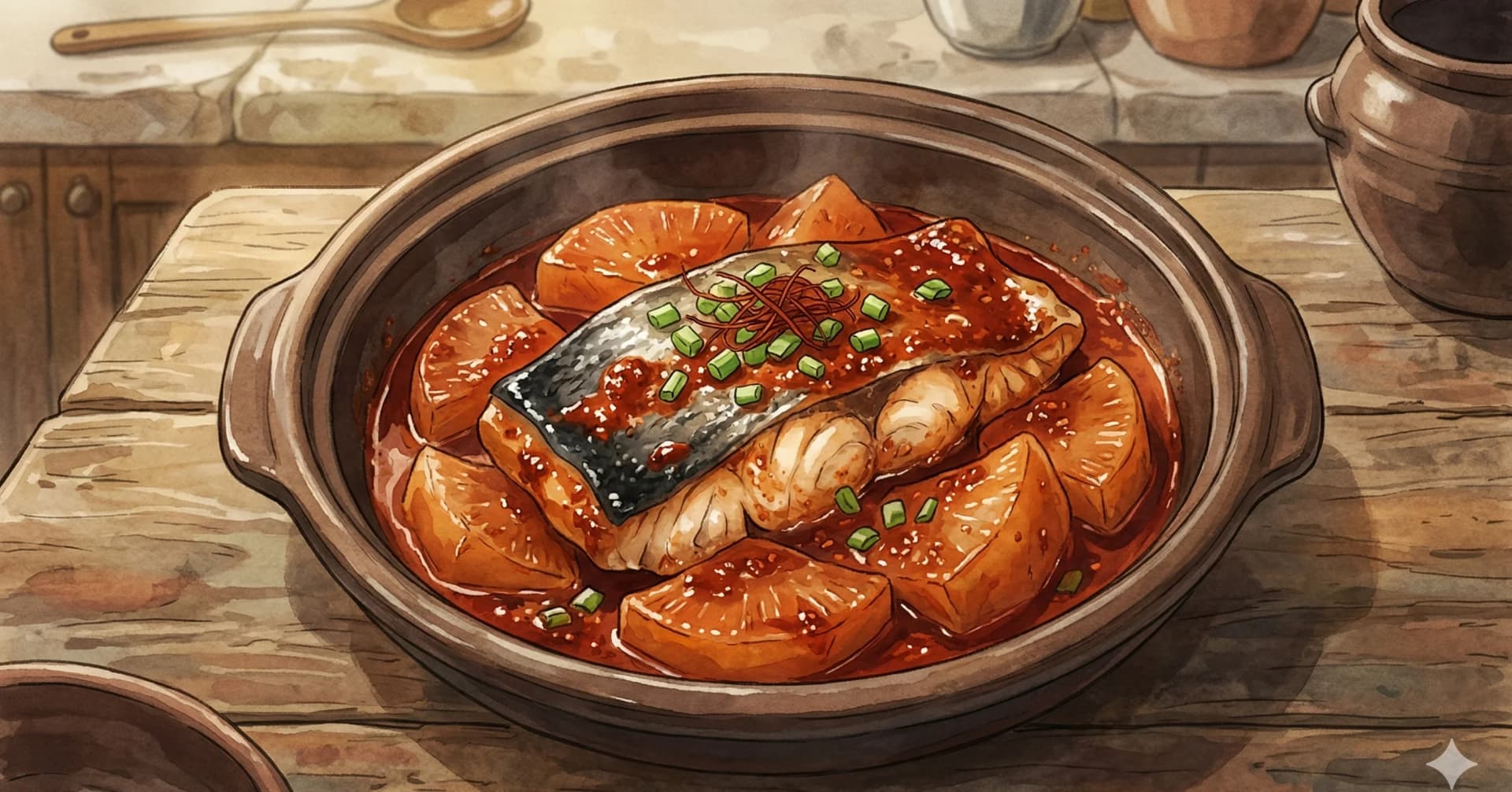
Braised Black Cod (Eundaegu-jorim / 은대구조림)
45 minutes
 Easy
EasyKorean Cuisine
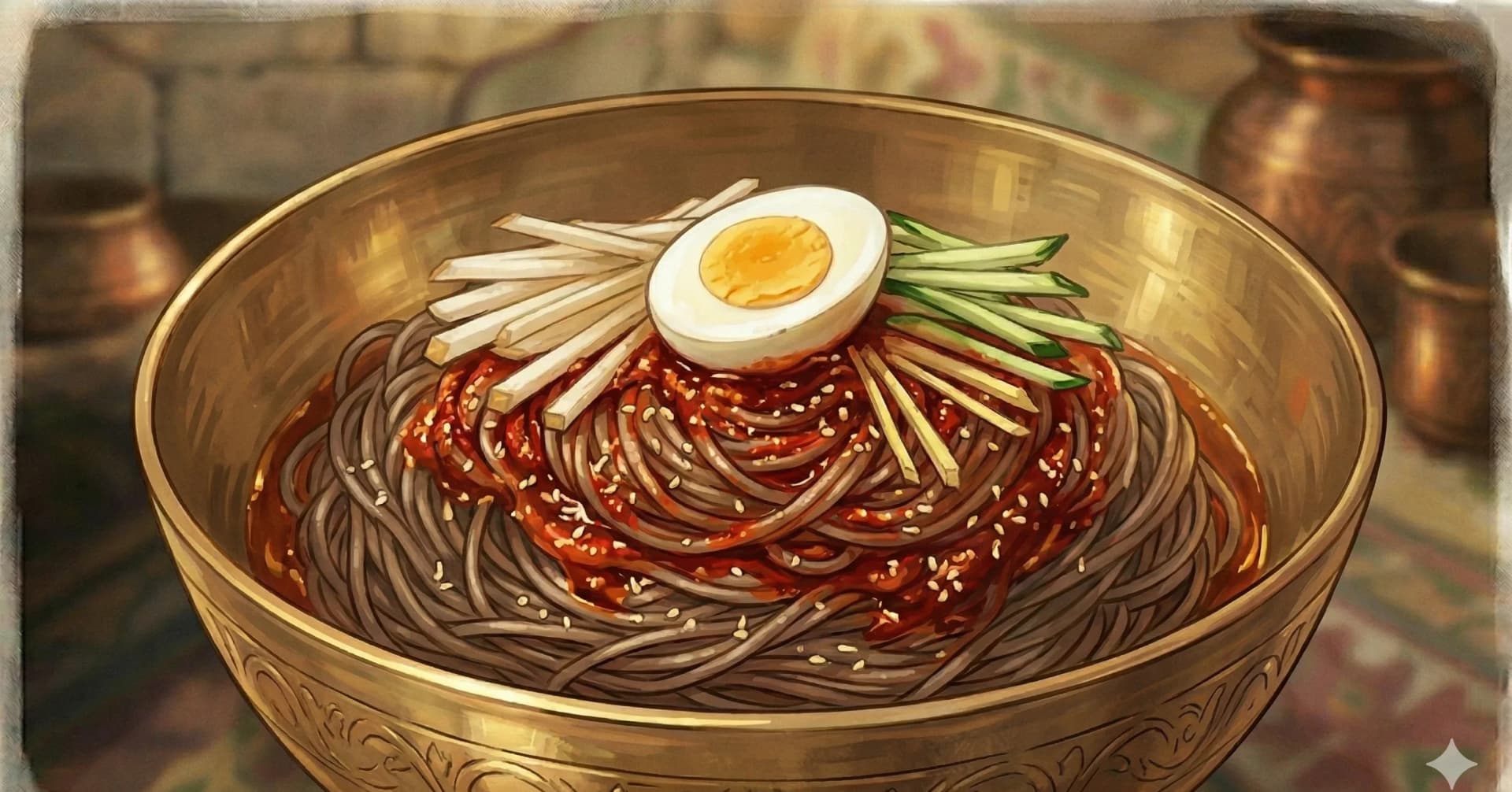
Bibim Naengmyeon (Spicy Mixed Cold Noodles)
30 minutes
 Medium
Korean Cuisine
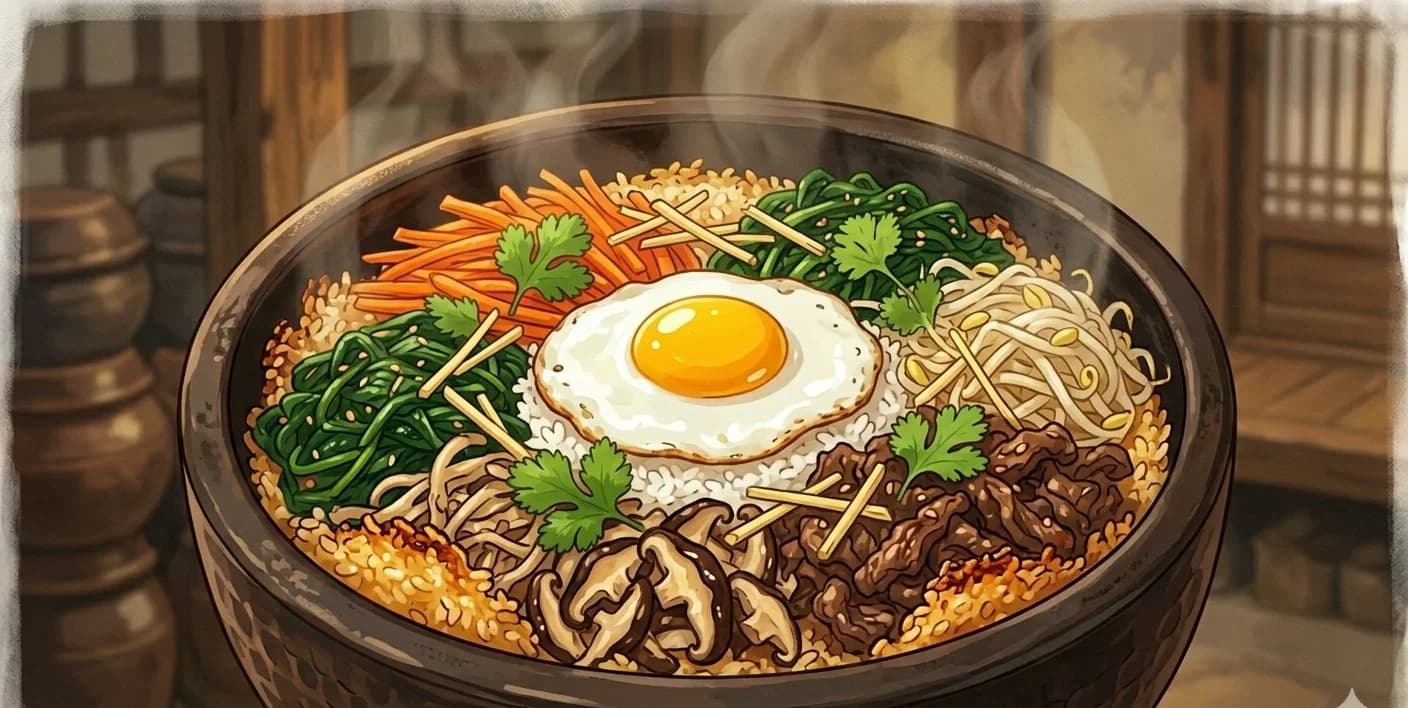
Bibimbap (Mixed Rice Bowl)
1 hour 10 minutes
 Medium
Cross-Cultural · Korea
Napa Cabbage Kimchi (통배추김치)
8 hours plus 1-2 days fermentation
Ratings & Comments
Ratings & Comments
Ratings
Share your thoughts on this recipe.
Sign in to rate and comment