
Korean Cuisine
Gimbap (Korean Seaweed Rice Rolls)
Toasted seaweed wrapped around seasoned rice and colorful fillings, sliced into neat rounds
There is something deeply satisfying about biting through the gentle snap of roasted seaweed into sesame-scented rice and a cross-section of colorful fillings, each one contributing its own flavor and texture to the whole. Gimbap is deceptively simple in concept and endlessly rewarding in practice.
The name tells the story directly: gim is the roasted seaweed, bap is rice. Unlike Japanese maki sushi, which uses vinegared rice and focuses on raw fish, gimbap seasons its rice with sesame oil and salt, giving it a warm, nutty character. The fillings are cooked, seasoned, and often prepared a day ahead in Korean households, making gimbap as practical as it is delicious. It is the quintessential dosirak (lunchbox) food, found at picnics, school trips, hiking trails, and late-night snack bars across Korea.
What this recipe delivers is a versatile template. The classic version below includes egg, spinach, carrot, pickled radish, and seasoned beef, but gimbap invites improvisation. Tuna mayo, cheese, kimchi, and bulgogi are all common variations. The fillings can adapt to whatever is in your refrigerator.
The practical insight worth remembering is that the rice should be warm, not hot, when you roll. Hot rice makes the seaweed soggy and tears it. Cold rice is stiff and hard to spread. Warm rice, seasoned and lightly cooled, spreads easily, sticks to the seaweed, and holds together when sliced. Use a thin, even layer rather than overstuffing, and your rolls will hold their shape cleanly.
At a Glance
Yield
4 rolls (about 32 pieces)
Prep
40 minutes
Cook
20 minutes
Total
1 hour
Difficulty
Medium
Ingredients
Rice Ingredients
- 1 lbshort-grain rice, rinsed and cooked
- 1 tbsptoasted sesame oil
- ⅞ tspfine salt
Wrappers
- 4sheets gim (roasted seaweed for gimbap, full-size)
Filling Ingredients
- 3eggs, beaten with a pinch of salt
- 6 ozspinach (about half a bunch)
- 1medium carrot (about 100 g), cut into long matchsticks
- 4strips danmuji (yellow pickled radish), cut into long batons
- 4 ozimitation crab sticks (or cooked crab)
- 6 ozbeef (sirloin or ground), thinly sliced
- 1 tbspsoy sauce
- 1¼ tspsugar
- 1 tspsesame oil
- 1½ tspminced garlic
- —Pinch of black pepper
- 1 tspsesame oil
- ⅓ tspfine salt
- 1½ tspminced garlic
To Finish
- —Toasted sesame oil for brushing
- —Toasted sesame seeds
Method
- 1
Cook the rice and season it while it is still hot. Add the sesame oil and salt, then fold gently with a rice paddle to distribute evenly without crushing the grains. Spread it out on a wide plate or tray and let it cool to warm room temperature. It should be slightly sticky but not clumping in dense masses.
- 2
Prepare the egg strips. Heat a lightly oiled skillet over medium-low heat. Pour in the beaten egg to form a thin, even omelette. Cook until the surface is just set, about 2 minutes, then flip carefully and cook for 30 seconds more. Slide onto a cutting board and slice into long strips about 1 cm wide.
- 3
Blanch the spinach. Bring a pot of salted water to a rolling boil. Submerge the spinach for 30 to 40 seconds until just wilted and bright green. Drain immediately and plunge into cold water. Squeeze out as much water as possible, then season with sesame oil, salt, and garlic.
- 4
Saute the carrot matchsticks. Cook in a lightly oiled skillet over medium heat for 1 to 2 minutes, seasoning with a pinch of salt. They should be just tender but still have structure. Set aside.
- 5
Season and cook the beef. Toss the sliced beef with soy sauce, sugar, sesame oil, garlic, and pepper. Cook in a hot skillet over high heat for 2 to 3 minutes until browned and slightly caramelized. Set aside to cool slightly.
- 6
Prepare the remaining fillings. Separate the imitation crab sticks into strips. Cut the danmuji into long batons that match the length of the seaweed sheet.
- 7
Set up your rolling station. Place a bamboo rolling mat on the counter with a sheet of gim, shiny side down, on top. Have a small bowl of water nearby for sealing.
- 8
Spread a thin, even layer of rice over the seaweed, leaving about 2 cm uncovered at the far edge. Use damp fingers or the back of a spoon to press the rice gently. The rice layer should be no more than 5 mm thick. Overfilling makes the roll impossible to close neatly.
- 9
Arrange the fillings in a horizontal line across the center of the rice. Layer the egg strips, spinach, carrot, beef, danmuji, and crab in a tight row. Keep the fillings compact rather than spread out.
- 10
Roll the gimbap. Lift the edge of the bamboo mat closest to you and fold it over the fillings, tucking the seaweed tightly around them. Continue rolling forward with gentle, even pressure, using the mat to shape a firm cylinder. When you reach the exposed seaweed edge, dab it with a drop of water to seal.
- 11
Brush the outside of each completed roll lightly with sesame oil. This adds flavor and gives the seaweed a subtle sheen. Sprinkle with sesame seeds if desired.
- 12
Slice each roll with a sharp, slightly wet knife into rounds about 1.5 cm thick. Wipe the knife between cuts to keep the slices clean. Arrange the pieces cut-side up on a plate to display the colorful cross-section.
Key Ingredient Benefits
Gim (roasted seaweed): Rich in iodine, iron, and B vitamins including B12, which is relatively rare in plant foods. Traditionally valued in Korean culture as a nutrient-dense food, it is one of the first foods given to new mothers in miyeok-guk (seaweed soup).
Spinach: Provides folate, vitamin K, and iron. Brief blanching preserves most nutrients while reducing oxalic acid, which can inhibit mineral absorption.
Sesame oil: Contains vitamin E, sesamin, and sesamol. Research suggests these lignan compounds may have antioxidant and anti-inflammatory properties. Toasting intensifies the aroma without significantly altering the nutritional profile.
Danmuji (pickled radish): A fermented or pickled condiment that adds both crunch and a sweet-tangy flavor. Traditionally used as a digestive aid in Korean meals.
Why This Works
Seasoning the rice with sesame oil and salt rather than vinegar is what distinguishes gimbap from sushi. The sesame oil makes the rice fragrant and slightly glossy, creating a flavor foundation that complements the cooked fillings. Salt enhances the rice's natural sweetness without adding acidity.
Keeping the rice layer thin is critical for the right ratio of seaweed to rice to filling. A thick rice layer creates a heavy, starchy roll where the fillings get lost. A thin layer means every bite contains all the elements in proportion.
Squeezing the spinach thoroughly prevents moisture from making the roll soggy from the inside. Even a small amount of residual water will weaken the seaweed and cause it to tear during slicing.
Brushing the finished roll with sesame oil before cutting serves a dual purpose: it adds a final layer of flavor and makes the knife glide through the seaweed more easily, producing cleaner slices.
Substitutions & Variations
Protein: Bulgogi, canned tuna mixed with mayonnaise, spam, or marinated tofu can replace the beef. For a simple version, egg and vegetables alone make a satisfying vegetarian roll.
Vegetables: Cucumber strips, avocado, perilla leaves, burdock root (ueong), or blanched fernbrake (gosari) are all traditional or common additions.
Tuna gimbap: Replace the beef with 1 can of tuna (drained) mixed with 15 ml mayonnaise and a squeeze of lemon.
Cheese gimbap: Add a strip of mild cheese (processed or mozzarella string cheese) alongside the other fillings. Popular with children.
Nude gimbap: Roll with the rice on the outside and seaweed inside for a different presentation, similar to an inside-out sushi roll.
Serving Suggestions
Gimbap is a complete portable meal that needs no accompaniment, but it is often served alongside tteokbokki and eomuk soup at Korean snack shops. For a dosirak-style lunchbox, pair with kimchijeon cut into small squares and a container of kimchi. A small dish of soy sauce with a few drops of sesame oil and a sprinkle of sesame seeds makes a simple dipping sauce.
Storage & Reheating
Same-day serving: Gimbap is best eaten within a few hours of making. Keep it at room temperature, loosely covered with plastic wrap. Refrigeration firms the rice unpleasantly.
Next-day gimbap: If you must store overnight, wrap tightly in plastic and refrigerate. To revive, pan-fry the slices in a lightly oiled skillet until the rice warms through and the seaweed crisps slightly. This is sometimes called gimbap-jeon and is delicious in its own right.
Do not freeze: The rice becomes grainy and the seaweed loses its texture after freezing.
Cultural Notes
Gimbap (김밥) literally means "seaweed-rice." Gim (김) is dried laver seaweed, bap (밥) is cooked rice. The visual and structural similarity to Japanese makizushi is unmistakable, and the relationship between the two dishes has been the subject of friendly food-history disputes for decades. Most contemporary scholars now agree that modern gimbap evolved from norimaki (海苔巻き) introduced during the Japanese colonial period (1910-1945), then transformed steadily into something distinctly Korean through the second half of the 20th century.
The Korean transformation runs along three axes. The rice gets seasoned with sesame oil and salt rather than rice vinegar, so the finished roll does not taste sushi-like at all. The fillings are typically cooked rather than raw. And the dish is conceived as a portable everyday meal rather than as restaurant food. By the 1980s, gimbap had become the iconic Korean picnic, school field-trip, and sobeong (소풍, outing) food. A mother packing a gimbap kit for her child's school sports day is one of the most iconic images of late-20th-century Korean childhood.
The 1990s saw the rise of gimbap cheonguk (김밥천국, "gimbap heaven") chain restaurants. Open 24 hours, they served dozens of gimbap variations alongside cheap stews and noodles. The chains transformed gimbap from a once-in-a-while picnic dish into an everyday, on-demand quick meal accessible to students, late-night workers, and budget-conscious diners.
Modern variations explore endlessly. Cheese gimbap. Tuna gimbap. Kimchi gimbap. Pork cutlet gimbap. Even chocolate-dipped sweet gimbap from contemporary fusion shops. The Chungmu region's chungmu gimbap, a rice-only roll served with a spicy squid banchan on the side, remains the most famous regional variation.
Nutrition Facts
Calories: 656kcal (33%)|Total Carbohydrates: 97.8g (36%)|Protein: 25.8g (52%)|Total Fat: 16.4g (21%)|Saturated Fat: 4.4g (22%)|Cholesterol: 170mg (57%)|Sodium: 1262mg (55%)|Dietary Fiber: 5.3g (19%)|Total Sugars: 9.2g
You Might Also Like
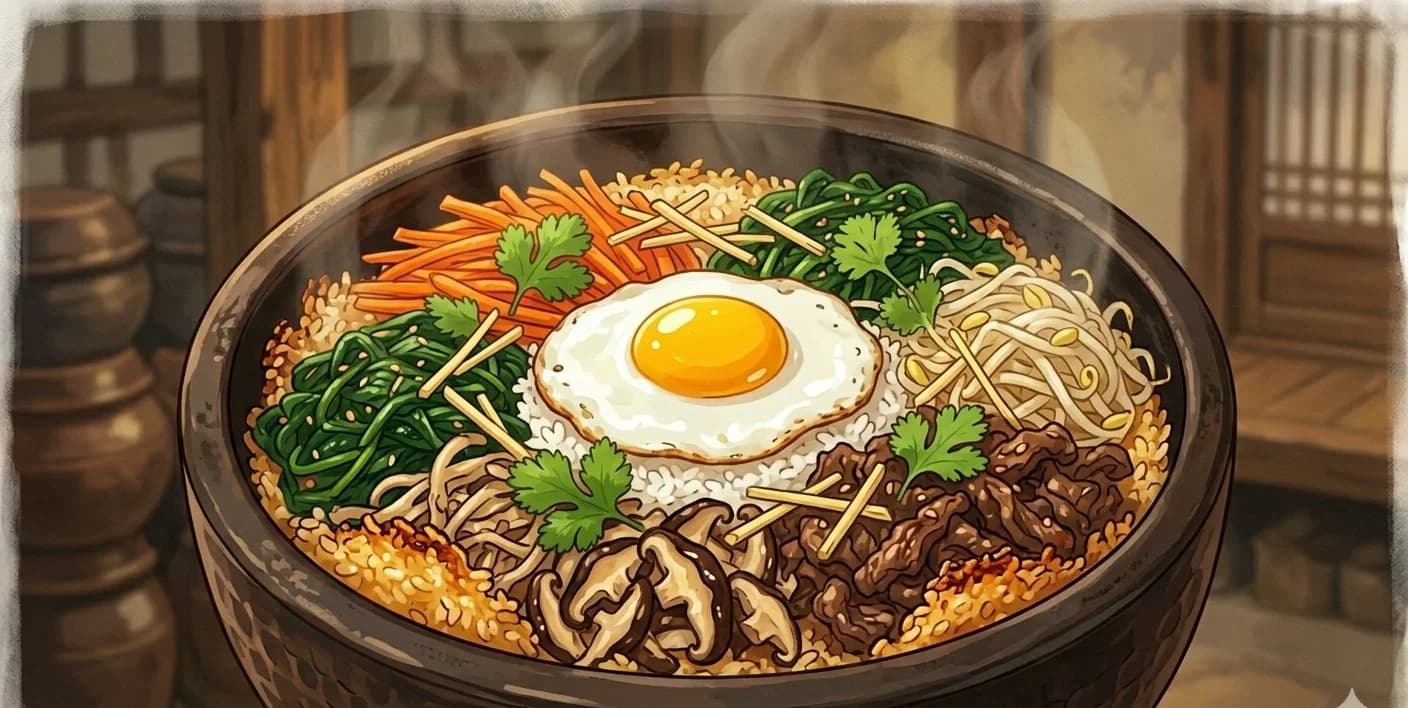 Medium
Korean Cuisine
Bibimbap (Mixed Rice Bowl)
1 hour 10 minutes
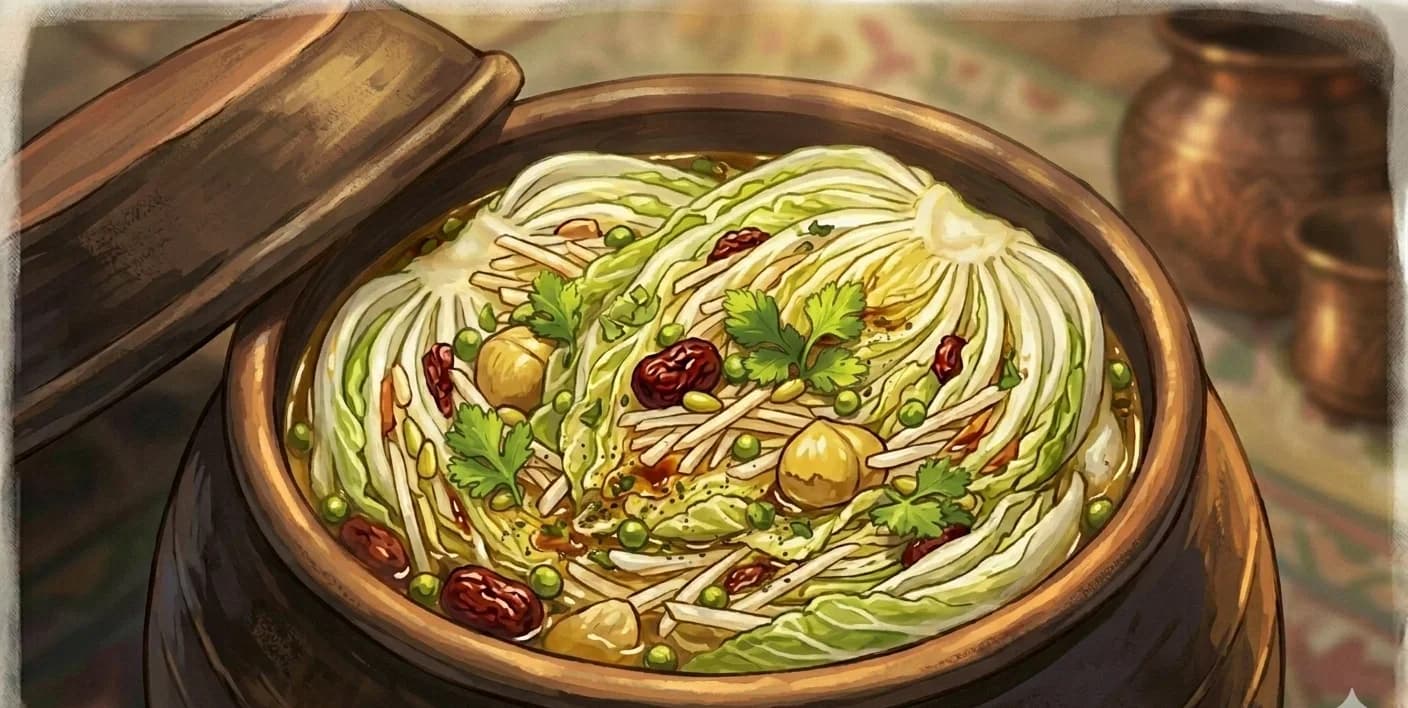 Medium
Korean Cuisine
Baek Kimchi (White Kimchi)
3 hours (plus 1 to 3 days fermentation)
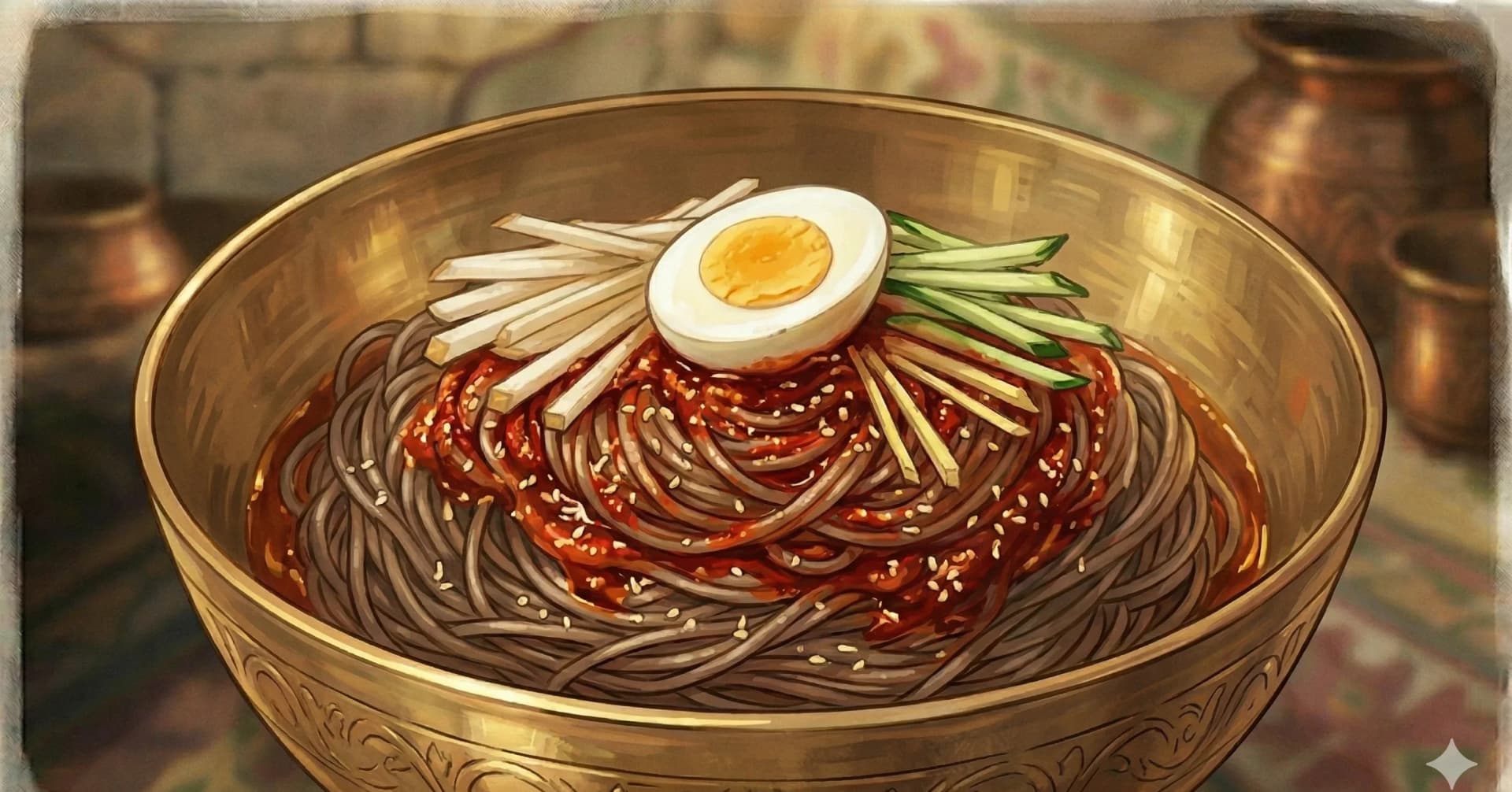 Easy
EasyKorean Cuisine
Bibim Naengmyeon (Spicy Mixed Cold Noodles)
30 minutes
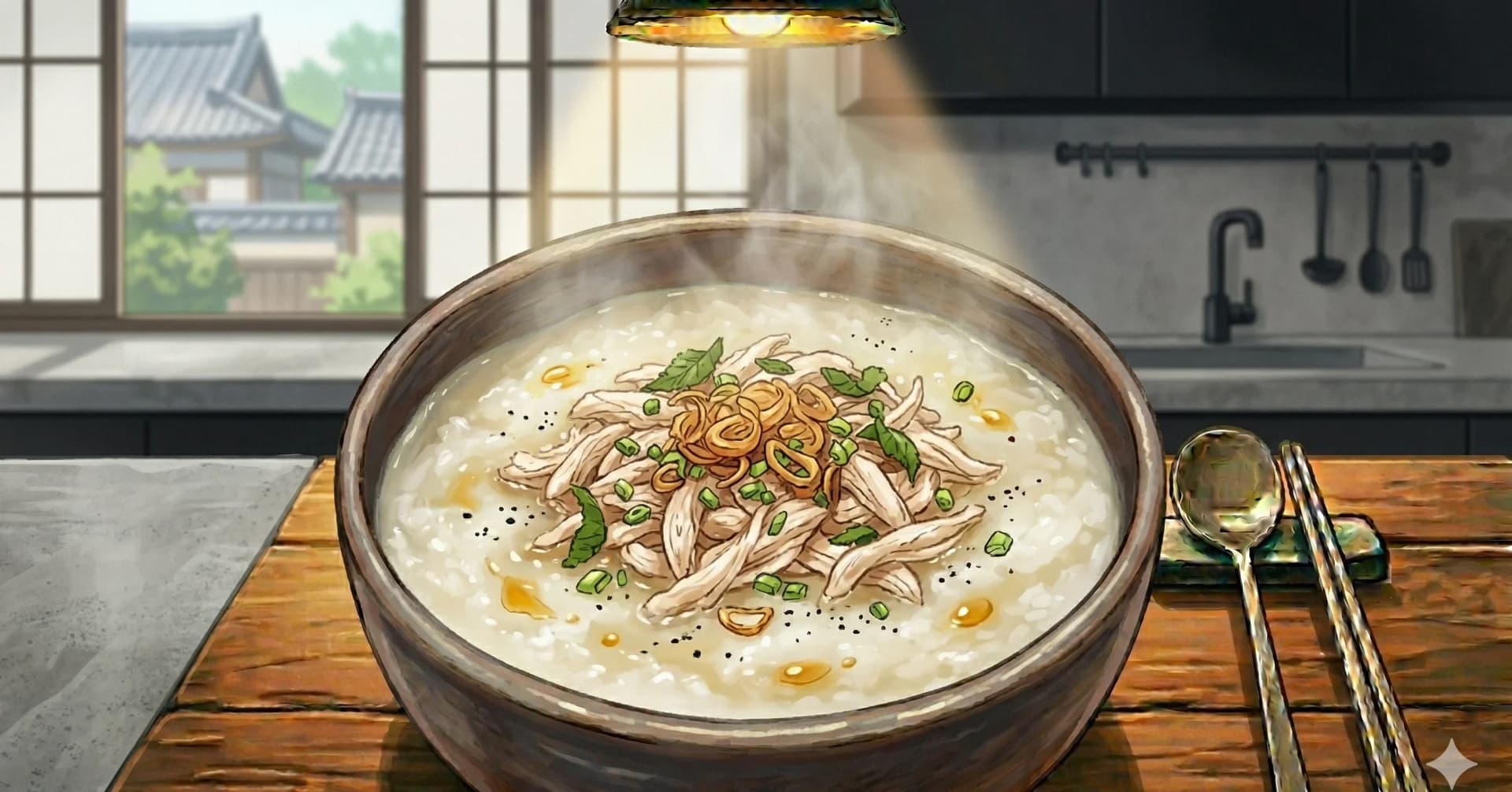 Easy
EasyVietnamese Cuisine
Cháo Gà (Vietnamese Chicken Rice Porridge)
1 hour 30 minutes
Ratings & Comments
Ratings & Comments
Ratings
Share your thoughts on this recipe.
Sign in to rate and comment