Korean Cuisine
Kimchijeon (Kimchi Pancake)
A crispy, tangy pancake loaded with aged kimchi and bound by a thin, shattering batter
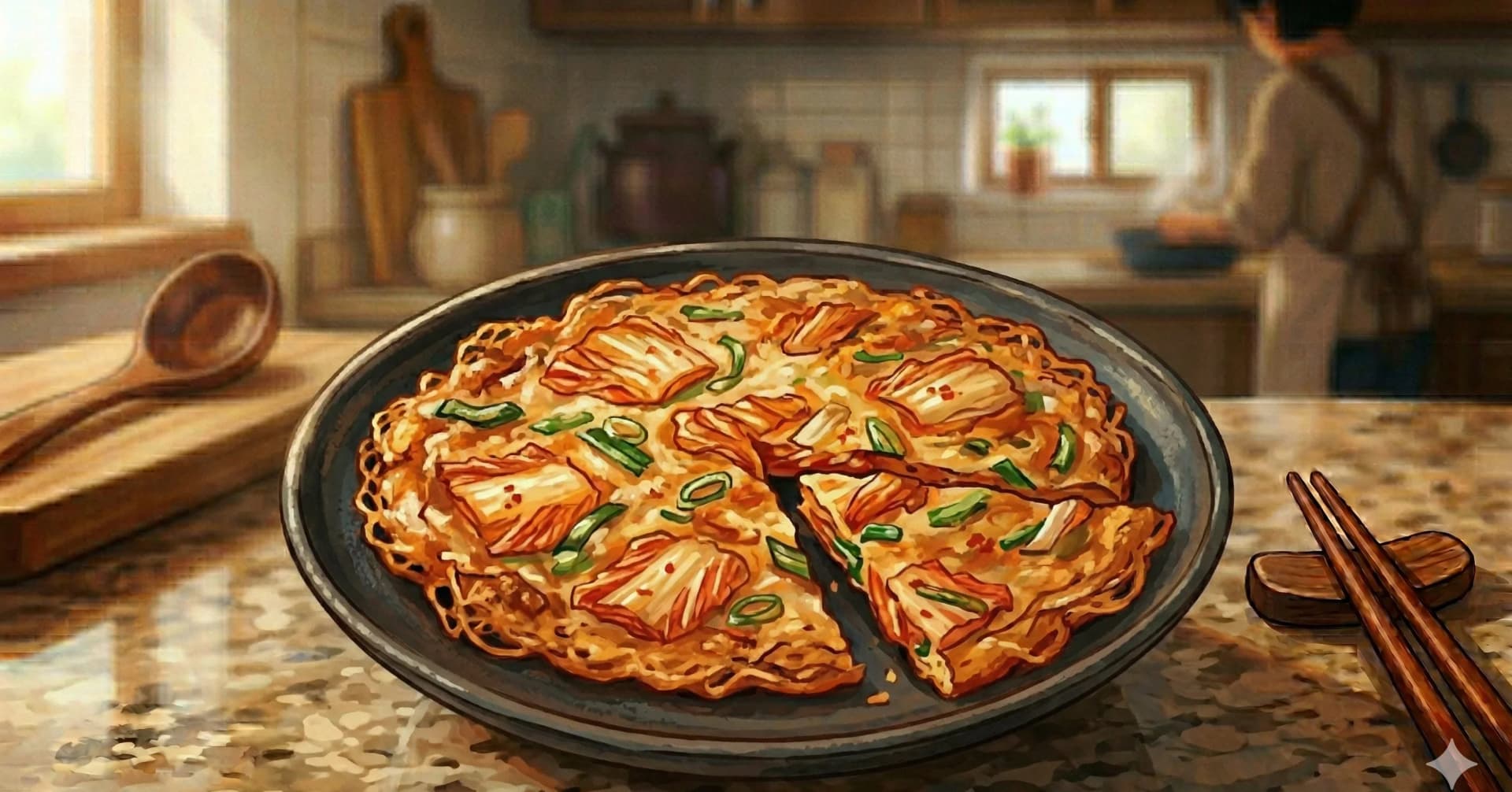
The sound comes first: a loud, sustained sizzle as the batter hits a generous pool of oil, the edges immediately frying into lace-thin crispness while the center stays soft and tangy with kimchi. Kimchijeon is the pancake Koreans reach for on rainy days, and there is a real cultural tradition behind this pairing. The sound of rain on the roof is said to resemble the sound of the pancake frying, and the humid, cool weather creates a craving for something warm, oily, and deeply satisfying.
The best kimchijeon starts with the oldest kimchi in your refrigerator. Well-fermented kimchi, the kind that has turned deeply sour and soft over weeks or months, produces a pancake with far more character than fresh kimchi ever could. The lactic acid tanginess, the concentrated funk, the way the cabbage has softened enough to meld into the batter instead of sitting stubbornly in chunks, all of these are gifts of time.
What this pancake delivers is an addictive contrast between textures. The edges should be thin, golden, and audibly crispy. The interior is softer, bound together by just enough batter to hold the kimchi in place. It is not a thick, bready pancake. Think of the batter as a binding agent, not the star.
One practical detail makes all the difference: use kimchi brine in the batter instead of plain water. It deepens the flavor and contributes acidity that helps the pancake brown more readily. Press the pancake flat and thin in the pan, resist the urge to flip it too early, and let the oil do its work.
At a Glance
Yield
2 large pancakes (4 servings)
Prep
10 minutes
Cook
15 minutes
Total
25 minutes
Difficulty
Easy
Ingredients
Batter Ingredients
- 7 ozwell-fermented napa cabbage kimchi, roughly chopped
- ¼ cupkimchi brine (from the jar)
- ½ cupall-purpose flour
- 1 ozrice flour (or potato starch)
- ⅓ cupcold water
- 1egg
- ¾ tspsugar
- 2scallions, thinly sliced
For Frying
- —Vegetable oil for pan-frying (about 45 ml per pancake)
Dipping Sauce Ingredients
- 2 tbspsoy sauce
- 1 tbsprice vinegar
- 1 tspsesame oil
- 1⅔ tsptoasted sesame seeds
- —Pinch of gochugaru (optional)
Method
- 1
Chop the kimchi into rough bite-sized pieces using kitchen scissors or a knife. Save the brine from the container. If the kimchi is very long-fermented and soft, it will break down naturally as you mix. If it still has significant crunch, chop it more finely.
- 2
Combine the all-purpose flour, rice flour, cold water, kimchi brine, egg, and sugar in a mixing bowl. Stir until just combined. Small lumps are fine. Overmixing develops gluten, which makes the pancake tough rather than crispy.
- 3
Fold the chopped kimchi and sliced scallions into the batter. The ratio should look like a lot of kimchi held together by a thin coating of batter, not batter with a few pieces of kimchi floating in it.
- 4
Heat a large nonstick skillet over medium-high heat. Add about 45 ml of vegetable oil, enough to generously coat the bottom. The oil should shimmer and a drop of batter should sizzle immediately on contact.
- 5
Pour half the batter into the skillet and spread it into a thin, even circle using the back of a spoon or spatula. Press it down gently so the pancake is no thicker than about 5 mm. Thinner edges will become especially crispy.
- 6
Cook without moving for 3 to 4 minutes. Resist the urge to check or lift the pancake. Let the bottom develop a deep golden-brown crust. You will hear the sizzling slow slightly and see the edges turn visibly brown and crisp.
- 7
Flip the pancake in one confident motion. Press it down again with the spatula. Add a drizzle of oil around the edges of the pan if it looks dry. Cook for another 3 to 4 minutes until the second side is equally golden and crispy.
- 8
Press the pancake flat one more time after flipping. This ensures even contact with the pan and maximizes the crispy surface area.
- 9
Transfer to a cutting board and let it rest for 30 seconds. The residual heat will finish setting the interior while the crust stays crisp.
- 10
Repeat with the remaining batter to make the second pancake, adding fresh oil to the pan before starting.
- 11
Make the dipping sauce while the second pancake cooks. Stir together the soy sauce, rice vinegar, sesame oil, sesame seeds, and gochugaru if using.
- 12
Cut each pancake into wedges or squares. Serve immediately alongside the dipping sauce.
Key Ingredient Benefits
Fermented kimchi: Contains live lactobacillus bacteria and other beneficial microorganisms that research suggests may support digestive health and immune function. The fermentation process also increases the bioavailability of certain vitamins, including B vitamins and vitamin K. Traditionally used in Korean medicine as a digestive aid.
Rice flour: Naturally gluten-free, rice flour contributes to a lighter, crispier texture when used in combination with wheat flour. It absorbs less oil than wheat flour alone.
Gochugaru: Korean red pepper flakes contain capsaicin, which has been studied for its potential thermogenic and antioxidant properties.
Why This Works
Using well-fermented kimchi is the single most important factor. The lactic acid developed during fermentation provides a complex tanginess that fresh kimchi cannot replicate. It also means the cabbage has softened enough to integrate into the batter seamlessly rather than creating pockets of moisture that steam and prevent crisping.
The combination of all-purpose flour and rice flour creates a lighter, crispier texture than wheat flour alone. Rice flour fries to a more delicate, shattering crispness, while the wheat flour provides enough gluten to hold the pancake together.
Pressing the pancake thin and using generous oil achieves something closer to shallow-frying than pan-frying. The oil climbs up around the edges and creates the lacy, almost fried quality that distinguishes a good kimchijeon from a merely adequate one.
Cold water in the batter slows gluten development, contributing to a lighter result. This is the same principle used in tempura batter.
Substitutions & Variations
Flour: For a crispier pancake, replace the rice flour with potato starch or cornstarch. For a gluten-free version, use 100 g rice flour and 1 tablespoon potato starch, omitting the wheat flour entirely.
Additions: Sliced pork belly (samgyeopsal), shrimp, squid, or thinly sliced onion can be added to the batter. Some versions include a layer of perilla leaves pressed into the surface before flipping.
Kimchi-cheese jeon: Sprinkle shredded mozzarella over the pancake during the last minute of cooking on the first side, then flip so the cheese side crisps directly on the pan.
Without egg: The egg can be omitted for a slightly more delicate pancake. It will still hold together well.
Serving Suggestions
Kimchijeon is traditionally served with makgeolli (Korean rice wine), and the pairing is considered one of Korea's great food combinations. The tangy pancake and the slightly sweet, effervescent rice wine complement each other beautifully. As a meal, serve alongside steamed rice and a simple soup like kongnamul-guk. As banchan, cut into small squares and serve at room temperature.
Storage & Reheating
Leftover kimchijeon: Store in an airtight container in the refrigerator for up to 2 days.
Reheating: The best method is to re-crisp the pancake in a dry or lightly oiled skillet over medium heat for 2 to 3 minutes per side. An oven at 200°C for 5 to 7 minutes also works. Avoid the microwave, which will make the pancake soft and rubbery.
Freezing: Wrap individual pancakes tightly in plastic and freeze for up to 1 month. Reheat directly from frozen in a skillet or oven.
Cultural Notes
Kimchijeon (김치전), the pan-fried kimchi pancake, is the most direct and crowd-pleasing dish in the Korean jeon family. The broader category includes pajeon (scallion) and hobak jeon (zucchini). Where pajeon is delicate and herbaceous, kimchijeon is assertive, tangy, and impossible to mistake for anything else. The lacy edges of a proper kimchijeon get stained deep red by the kimchi juice that cooks directly into the batter.
The dish is the iconic Korean bijeon (비전) food, the pancake that gets made and eaten specifically on rainy days. The cultural association runs so strong that Korean broadcasters report measurable spikes in flour and kimchi sales whenever the weather forecast turns to rain. The traditional explanation is acoustic. The sizzle of jeon frying in a hot pan supposedly resembles the sound of rain on a tin roof, prompting a sensory link that hardened into a household ritual over generations.
The proper accompaniment is always makgeolli (막걸리), the milky, slightly fizzy unfiltered rice wine. The combination of warm crispy pancake plus chilled makgeolli on a rainy afternoon is one of the most beloved Korean leisure experiences, and certain Korean adults will rearrange their plans on a wet day specifically to honor it.
Kimchijeon is also the gateway dish for using up muk-eun-ji (묵은지), the well-aged sour kimchi that gets sharper and funkier with every passing month. Younger fresh kimchi produces a milder, less interesting pancake. The very sourest muk-eun-ji produces the deepest, most complex jeon. Many Korean home cooks intentionally save a portion of each autumn's kimjang (김장) batch specifically for kimchijeon and kimchi jjigae the following spring.
Nutrition Facts
Calories: 145kcal (7%)|Total Carbohydrates: 22.6g (8%)|Protein: 5.4g (11%)|Total Fat: 3.5g (4%)|Saturated Fat: 0.7g (3%)|Cholesterol: 47mg (16%)|Sodium: 526mg (23%)|Dietary Fiber: 1.6g (6%)|Total Sugars: 1.8g
You Might Also Like
 Medium
Korean Cuisine
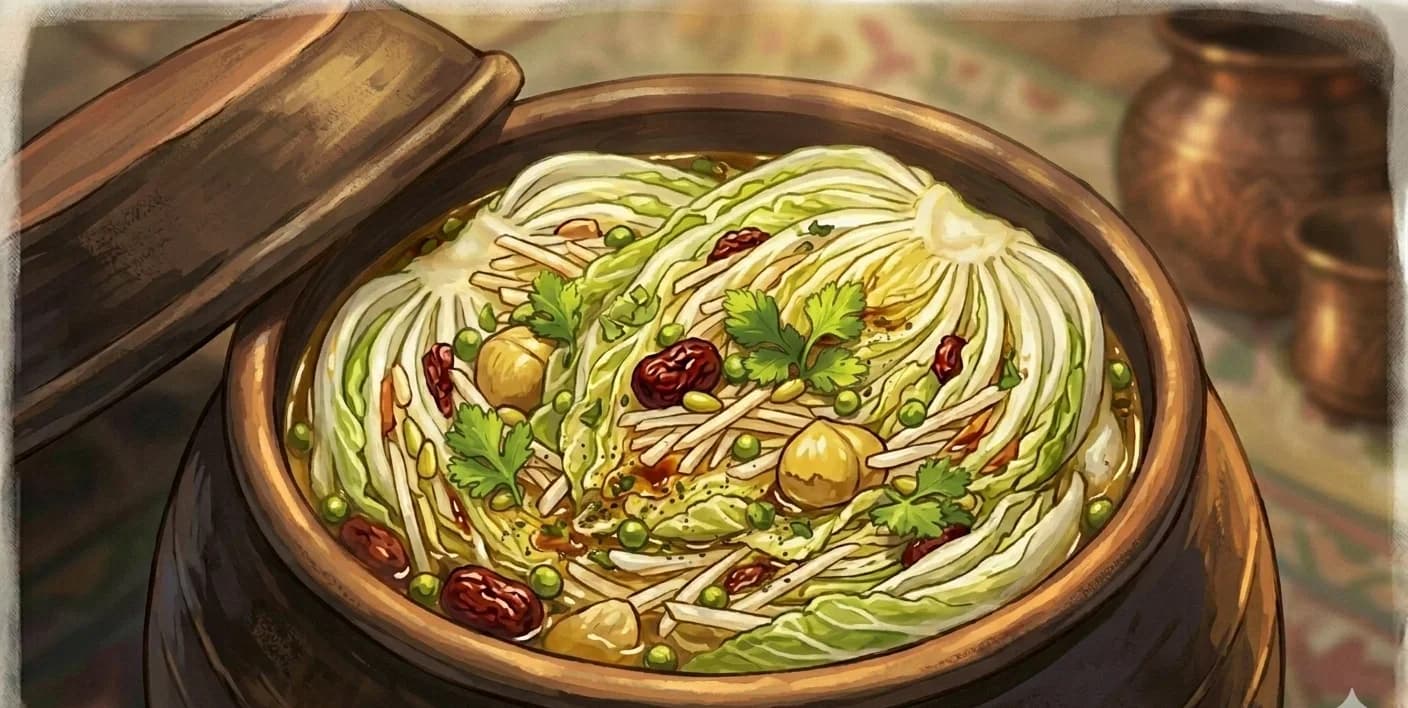
Baek Kimchi (White Kimchi)
3 hours (plus 1 to 3 days fermentation)
 Medium
Korean Cuisine
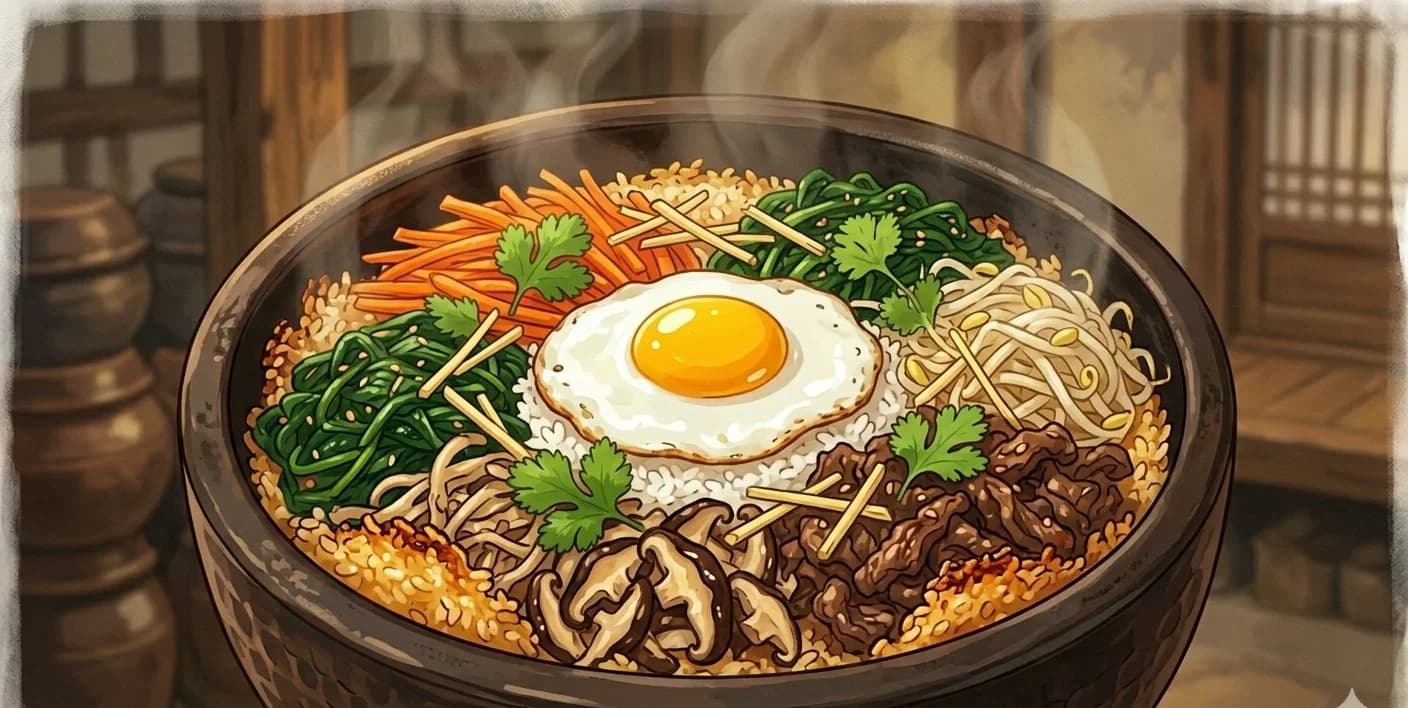
Bibimbap (Mixed Rice Bowl)
1 hour 10 minutes
 Medium
Cross-Cultural · Korea
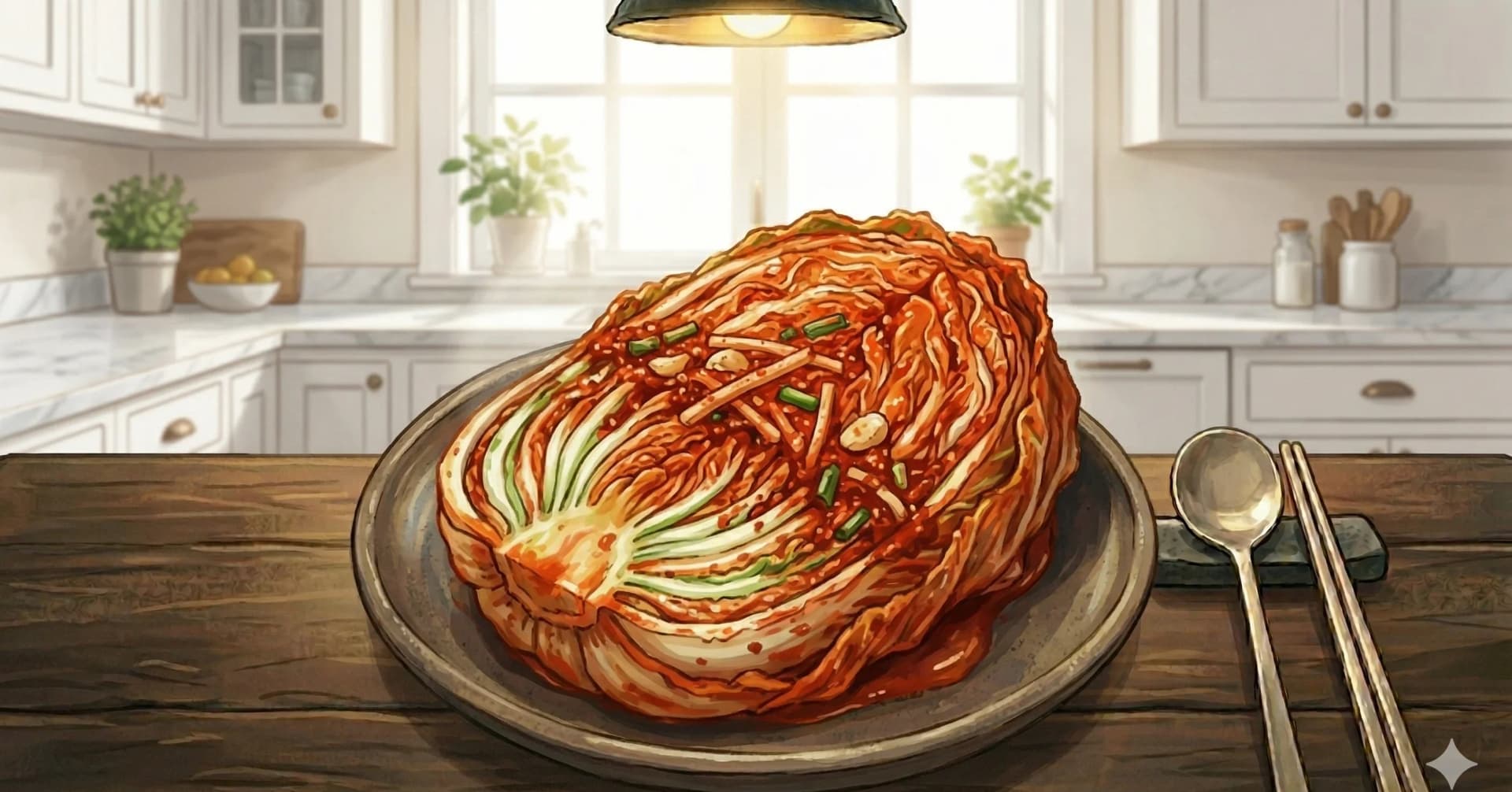
Napa Cabbage Kimchi (통배추김치)
8 hours plus 1-2 days fermentation
 Easy
EasyKorean Cuisine
Bibim Naengmyeon (Spicy Mixed Cold Noodles)
30 minutes
Ratings & Comments
Ratings & Comments
Ratings
Share your thoughts on this recipe.
Sign in to rate and comment