Chinese Cuisine
Lo Mai Gai (Lotus Leaf Sticky Rice)
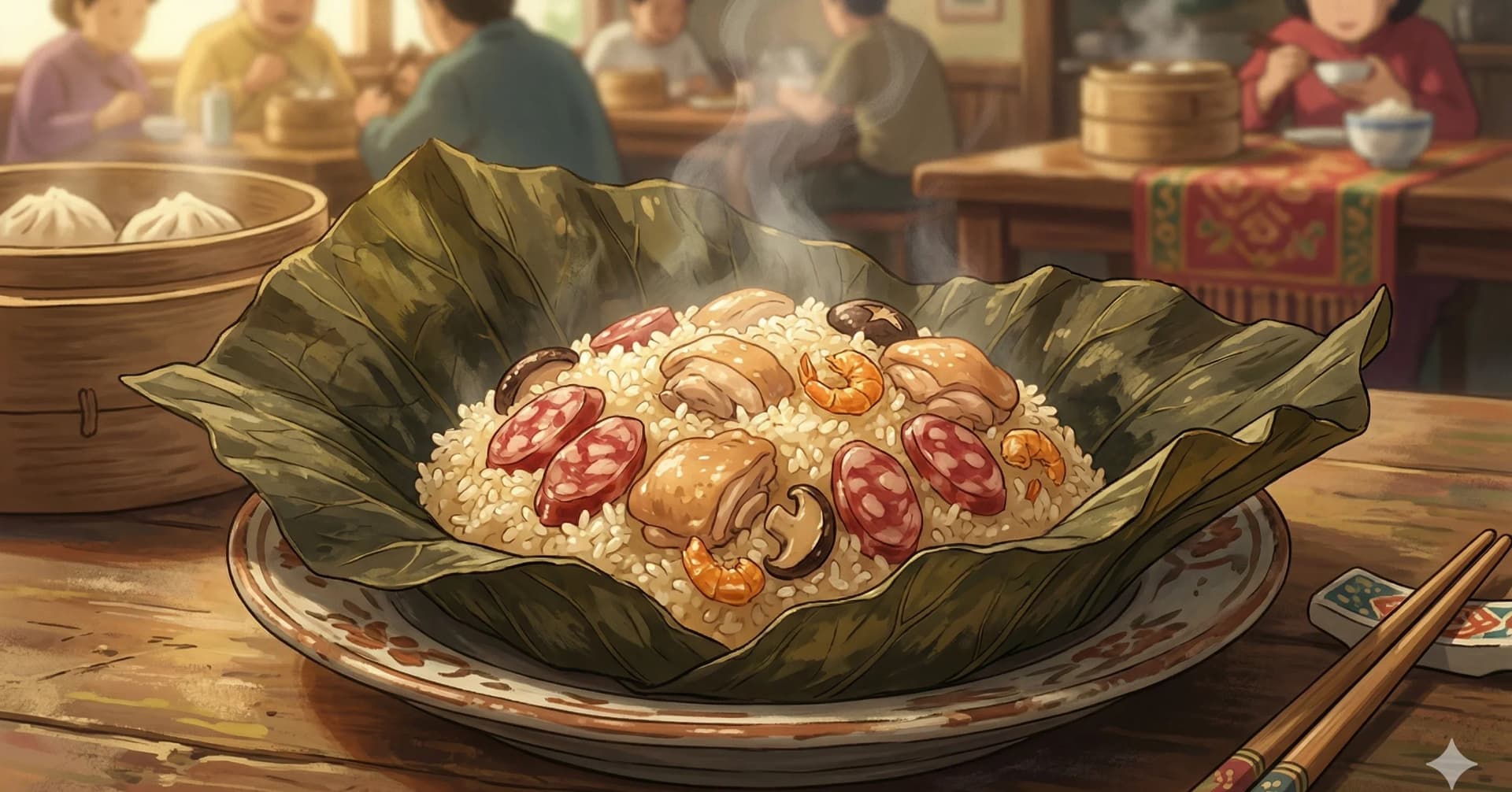
Steamed parcels of seasoned glutinous rice with chicken, Chinese sausage, and shiitake mushrooms wrapped in fragrant lotus leaves
There is a particular satisfaction in unwrapping a lo mai gai at a dim sum table. The lotus leaf peels back to reveal a compact mound of glossy, amber-tinted rice, fragrant from hours of steaming, with tender pieces of chicken and sausage pressed into its surface. The leaf itself is not eaten, but it does the quiet work of infusing everything with a grassy, slightly floral aroma that no other wrapper can replicate.
Lo mai gai is one of the heartier dishes on any dim sum menu. Where Har Gow and Xiao Long Bao are delicate and refined, lo mai gai is warm and substantial. A single parcel can be a meal in itself. The glutinous rice absorbs every drop of the seasoning sauce, turning sticky and deeply savory, while the chicken stays moist inside its rice blanket.
The process takes some planning. The glutinous rice needs an overnight soak to absorb water fully, and the dried shiitake mushrooms benefit from the same long soak to develop their best flavor. Once the soaking is done, the actual cooking moves quickly. You stir-fry the aromatics and sausage, sear the chicken, toss everything with the drained rice and a well-seasoned sauce, then wrap and steam. The stir-frying step partially cooks the rice, which means it finishes perfectly during steaming rather than turning mushy.
This recipe produces eight generous parcels, and they freeze beautifully. Make the full batch on a weekend, eat two fresh from the steamer, and stash the rest for weeknight meals that only need a quick re-steam to taste just as good as the day they were made.
At a Glance
Yield
8 parcels (4 to 6 servings)
Prep
20 minutes (plus overnight soaking)
Cook
1 hour 15 minutes
Total
7 hours 35 minutes (including soaking)
Difficulty
Medium
Ingredients
- ¾ lbglutinous rice (sticky rice)
- 6dried shiitake mushrooms
- ½ ozdried shrimp
- 2large dried lotus leaves
- 2boneless, skinless chicken thighs, cut into bite-sized pieces
- 1link Chinese sausage (lap cheong), sliced diagonally
- 1 tbsplight soy sauce
- 1½ tbspdark soy sauce
- ¾ ozoyster sauce
- 1⅔ tspShaoxing rice wine
- 1 tspsugar
- ⅛ tspsalt
- ⅛ tspfive-spice powder (or white pepper)
- 1 tspsesame oil
- 1 tbspneutral cooking oil, plus more for brushing
- 1/2onion, finely chopped
- 1¼ tbspfresh ginger, minced
- 1¼ tbspgarlic, minced
Method
- 1
Soak the dried ingredients (night before). Rinse the glutinous rice under running water, then cover with plenty of water and soak overnight or for at least 6 hours. In a separate bowl, soak the dried shiitake mushrooms in water overnight. Add 2 tablespoons of hot water to the dried shrimp and soak for 10 minutes, then drain and chop the shrimp finely. Reserve the soaking water from both mushrooms and shrimp.
- 2
Prepare the lotus leaves. Submerge the dried lotus leaves in a large pan of water, using a heavy object to keep them fully submerged. Soak for at least 1 hour until they are pliable. Trim off the hard stem at the base. Cut each large round leaf into 4 quarters. You should have 8 pieces.
- 3
Prepare the mushrooms and meat. Drain the mushrooms, trim off the tough stems, and slice them. Cut the chicken thighs into bite-sized chunks. Slice the Chinese sausage diagonally into thin pieces.
- 4
Mix the seasoning sauce. In a small bowl, combine the light soy sauce, dark soy sauce, oyster sauce, Shaoxing wine, sugar, salt, five-spice powder, and sesame oil. Stir in the reserved shrimp soaking water and about 1/3 cup (80 ml) of the mushroom soaking water. Set aside.
- 5
Stir-fry the aromatics and sausage. Heat the cooking oil in a wok or large skillet over medium-high heat. Add the onion, ginger, and garlic, stirring until fragrant, about 30 seconds. Add the dried shrimp and Chinese sausage. Fry until the translucent fat begins to render from the sausage. Add the sliced shiitake mushrooms and fry for another 30 seconds. Remove everything from the wok and set aside.
- 6
Sear the chicken. In the same wok, arrange the chicken pieces in a single layer. Sear until the surface loses its pink color but the inside is still raw. This partial cooking ensures the chicken finishes perfectly during steaming.
- 7
Combine with the rice. Drain the soaked glutinous rice thoroughly. Add it to the wok with the chicken. Pour the seasoning sauce over everything. Toss and stir constantly until the rice absorbs the liquid and becomes visibly sticky and viscous. Fold in the fried sausage, mushrooms, shrimp, and aromatics. Mix well. Remove from heat and let the mixture cool until comfortable to handle.
- 8
Wrap the parcels. Lay a piece of lotus leaf smooth-side up on your work surface. Brush a thin layer of oil over the area where the filling will sit. Scoop about one-eighth of the rice mixture onto the center of the leaf. Fold the sides of the leaf over the filling to form a rectangular or square parcel. Secure with kitchen twine if desired, or simply place the parcel fold-side down. Repeat with remaining pieces.
- 9
Steam the parcels. Place the wrapped parcels in steamer baskets. Bring plenty of water to a full boil in the wok or pot beneath the steamer. Set the baskets in place and steam over medium-low heat for 1 hour and 15 minutes. Check the water level once or twice and top up with boiling water if needed.
- 10
Serve hot. Carefully remove the parcels from the steamer. Unwrap at the table, peeling back the lotus leaf to reveal the glistening rice inside. The leaf is not eaten. **Instant Pot alternative:** Place a steaming rack in the Instant Pot with 1 1/2 cups water. Stack the parcels on the rack. Set to the Steam function for 40 minutes. Allow natural pressure release.
Key Ingredient Benefits
Glutinous rice: Despite its name, glutinous rice contains no gluten. The word "glutinous" refers to its sticky, glue-like texture when cooked, which comes from its high amylopectin starch content. It is higher on the glycemic index than regular rice. In traditional Chinese medicine, glutinous rice is considered warming and is often prescribed for people with weak digestive systems, though people who experience bloating or blood sugar sensitivity should eat it in moderation.
Dried shiitake mushrooms: These have a more concentrated, savory flavor than fresh shiitake due to the drying process, which converts glutamic acid into its sodium salt form, a natural source of umami. The soaking liquid is essentially a mushroom stock and should never be discarded. Lentinan, a polysaccharide found in shiitake, has been the subject of research into immune function, though evidence remains preliminary.
Lotus leaves: Used as a wrapping material, not as food. In traditional Chinese medicine, lotus leaf tea is valued as a digestive aid. The aromatic compounds in the leaf are released during prolonged steaming and impart a subtle, grassy fragrance.
Why This Works
The overnight soak is not optional. Glutinous rice grains are very dense, and without thorough hydration they will remain hard and chalky even after an hour of steaming. The soaked grains absorb the seasoning sauce almost immediately during stir-frying, which distributes flavor into every grain rather than leaving it as a coating on the surface.
Stir-frying the rice before wrapping serves two purposes. It partially cooks the grains, shortening the steaming time, and it allows the dark soy sauce to color the rice evenly. Without this step, you would need to steam for much longer, and the color would be blotchy.
The lotus leaf does more than hold things together. During the long steaming, it releases volatile compounds that give the rice a distinctive fragrance that is impossible to replicate with parchment paper or foil. The leaf also acts as a barrier, keeping the surface of the rice moist and preventing it from drying out or sticking to the steamer.
Chinese sausage (lap cheong) is a dried, cured sausage that is slightly sweet and quite fatty. During stir-frying, some of its fat renders out and coats the other ingredients, adding richness and a faint sweetness that balances the soy and oyster sauces.
Substitutions & Variations
Lotus leaves: Banana leaves are the closest substitute and work well, though the aroma will be different. Parchment paper functions as a wrapper but contributes no fragrance. Small oiled bowls covered with pierced cling film are another option.
Chinese sausage: Cantonese cured pork belly (lap yuk) is the traditional alternative. Char Siu barbecue pork, diced, also works well and adds a sweeter, smokier note.
Protein: Boneless, skinless chicken drumstick meat can replace thigh meat. Duck works beautifully for a richer version.
Optional additions: Salted duck egg yolks, diced bamboo shoots, chestnuts, green peas, and diced carrots are all common additions. Dried scallops can replace or supplement the dried shrimp for a more luxurious version.
Vegetarian version: Omit the chicken, sausage, and shrimp. Add extra mushrooms, diced taro, and reconstituted dried tofu sticks. Use vegetarian oyster sauce.
Serving Suggestions
Lo mai gai is a centerpiece in any dim sum spread. Serve alongside lighter dishes like Har Gow and Xiao Long Bao for balance. A bowl of Wonton Soup makes a light, brothy counterpoint to the dense, sticky rice.
For a complete Cantonese dinner, pair lo mai gai with Soy Sauce Chicken and steamed Chinese broccoli with oyster sauce. The parcels also make excellent packed lunches, as they reheat well and travel easily.
Storage & Reheating
Refrigerating: Store wrapped parcels in the refrigerator for up to 3 days. Re-steam for 10 minutes until piping hot throughout.
Freezing: Lo mai gai freezes exceptionally well. Let parcels cool completely, then place in airtight freezer bags. They keep for up to 3 months. To reheat from frozen, thaw in the refrigerator overnight, then steam for 10 to 15 minutes. You can also microwave a thawed parcel for 3 to 4 minutes, though steaming produces a better texture.
Batch cooking: This recipe is designed for making ahead. The overnight soaking is already built in, and the parcels only improve slightly after an initial rest, as the flavors continue to meld during storage.
Cultural Notes
Lo mai gai (糯米雞, "sticky rice chicken") is the Cantonese dim sum bundle of seasoned glutinous rice wrapped around chicken, Chinese sausage (lap cheong), and dried mushroom, enclosed in a folded lotus leaf, and steamed until the leaf perfumes the rice and the bundle holds together as a compact parcel. The dish belongs to the broader Cantonese tradition of lotus-leaf-wrapped foods (he ye fan, "lotus leaf rice"), which uses the dried leaves as both a cooking vessel and a flavor agent: the leaves release a tea-like grassy aroma into the rice during steaming that no other ingredient can replicate.
The traditional preparation soaks dried lotus leaves overnight to soften them, then blanches them briefly so they fold without cracking. The glutinous rice is pre-soaked, drained, and stir-fried briefly with soy sauce, oyster sauce, and shallot oil to give it color and seasoning. The filling is prepared separately: chicken thigh marinated in soy, ginger, and Shaoxing wine; sliced lap cheong; soaked and diced dried mushroom; and sometimes salted egg yolk, dried shrimp, or Chinese cured pork. A spoonful of rice goes on the lotus leaf, a hollow is pressed into the rice, the filling goes in, another spoonful of rice covers it, and the leaf is folded into a tight rectangular bundle and tied with kitchen twine or steamed open-side-down to hold its shape.
The dish appears at dim sum carts across Hong Kong, Guangzhou, and the global Cantonese diaspora, where it is often served in a small bamboo steamer with the leaf-wrapped bundle still tied. The diner unwraps the leaf at the table, revealing the dark seasoned rice and the filling embedded inside. A smaller cousin of the dish called jen jyu gai (珍珠雞, "pearl chicken") uses smaller portions and shorter folding, producing two or three small bundles in a steamer instead of one large one. Both forms are considered standard dim sum items, and both depend on the lotus leaf for their signature aromatic character.
Nutrition Facts
Calories: 420kcal (21%)|Total Carbohydrates: 61.1g (22%)|Protein: 19.4g (39%)|Total Fat: 10.4g (13%)|Saturated Fat: 2.8g (14%)|Cholesterol: 61mg (20%)|Sodium: 682mg (30%)|Dietary Fiber: 1.8g (6%)|Total Sugars: 2.8g
You Might Also Like
 Medium
Chinese Cuisine
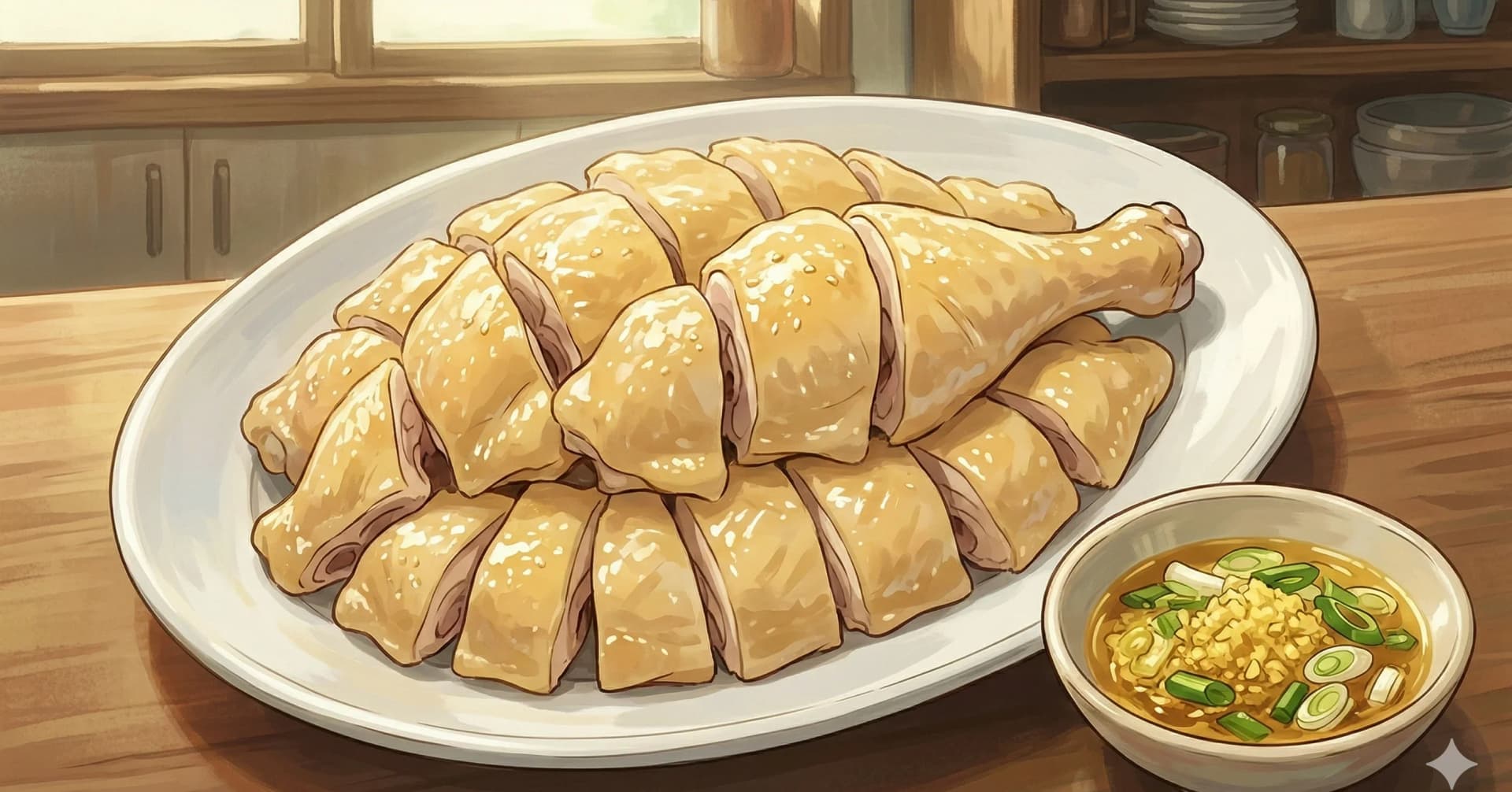
Bai Qie Ji (White Cut Chicken)
4 hours 30 minutes
 Medium
Chinese Cuisine
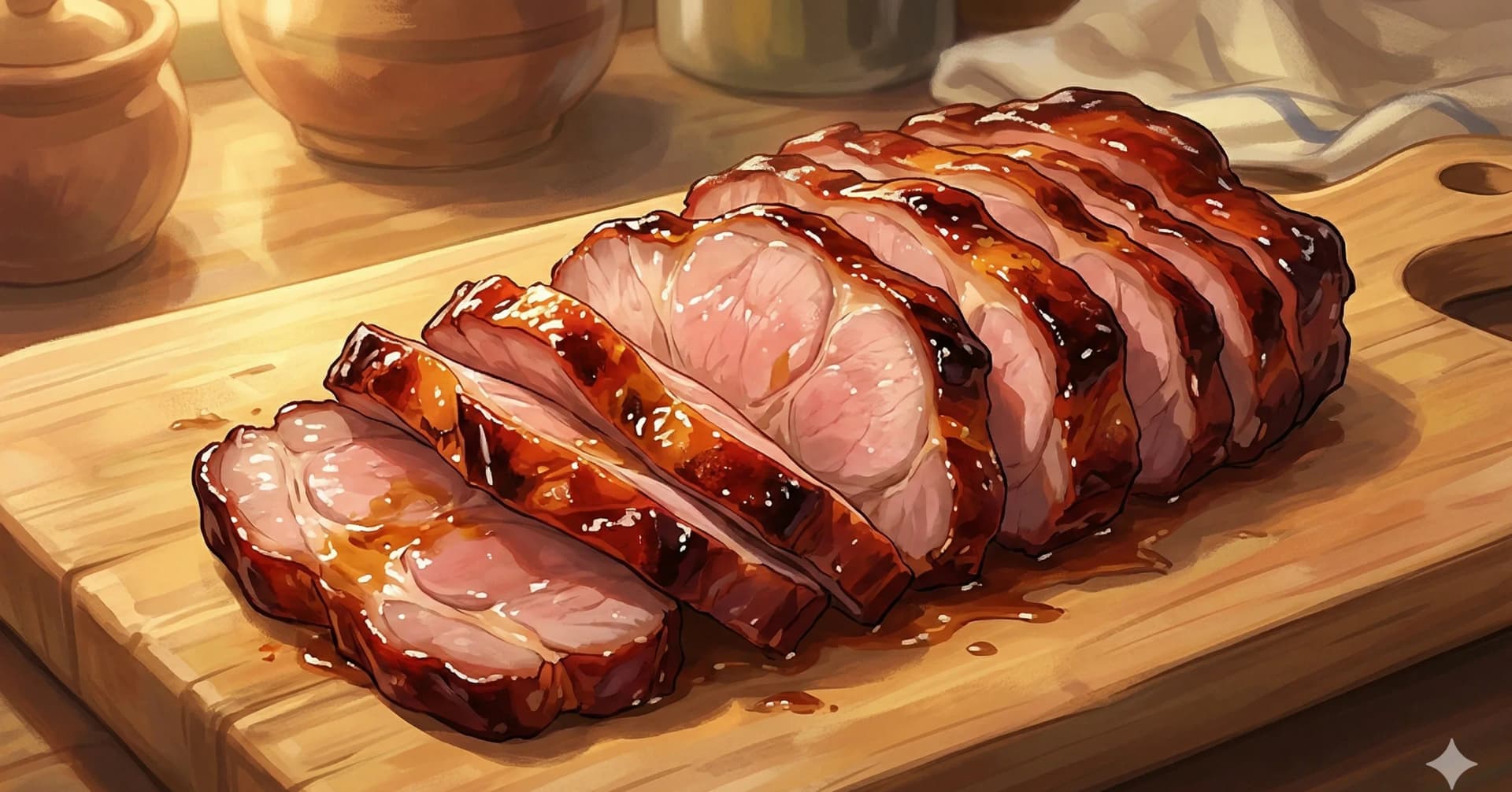
Char Siu (Chinese BBQ Pork)
9 hours (including marinating)
 Easy
EasyVietnamese Cuisine
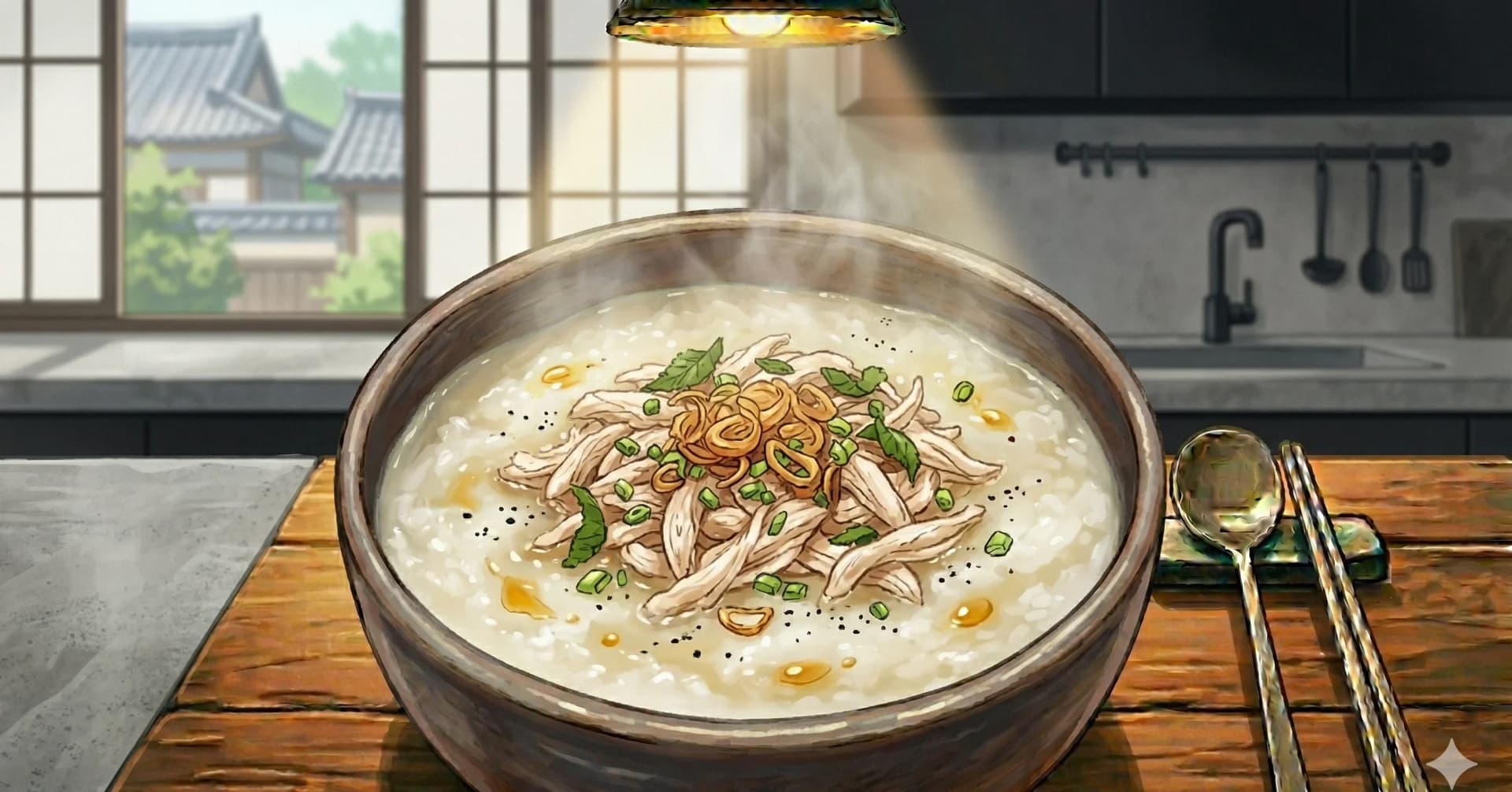
Cháo Gà (Vietnamese Chicken Rice Porridge)
1 hour 30 minutes
 Medium
Chinese Cuisine
Niu Rou Yang Cong Jiaozi (Beef and Onion Dumplings)
60 minutes
Ratings & Comments
Ratings & Comments
Ratings
Share your thoughts on this recipe.
Sign in to rate and comment