Vietnamese Cuisine
Thit Kho Trung (Vietnamese Caramelized Pork Belly and Eggs)
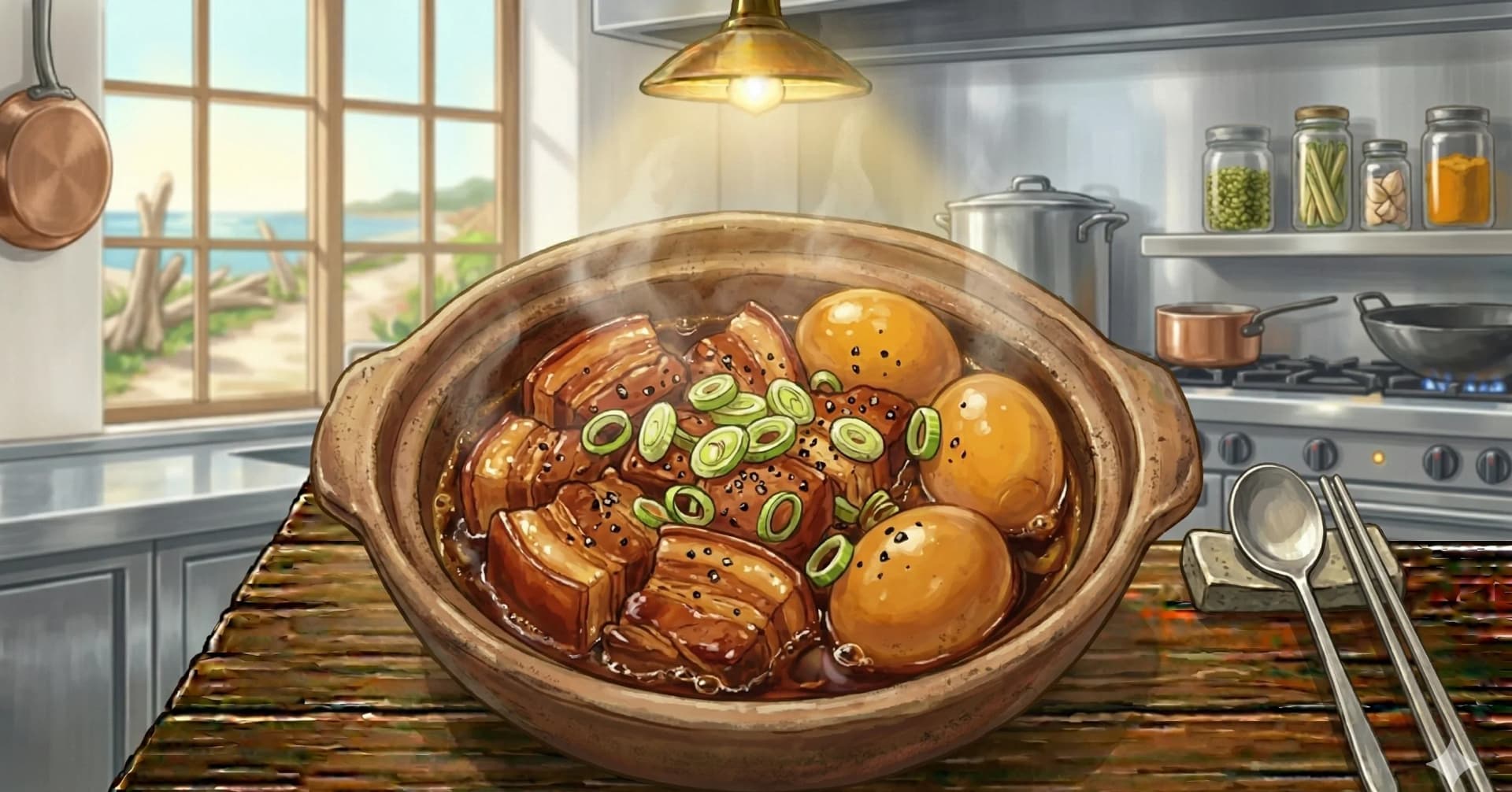
Tender pork belly and hard-boiled eggs braised low and slow in a coconut water caramel sauce perfumed with fish sauce and black pepper, spooned over steamed rice
Thit kho trung is the dish that every Vietnamese family claims to make best, and every one of them is probably right. It is home cooking in its purest form: pork belly and hard-boiled eggs simmered in a sauce of fish sauce, sugar, and coconut water until the meat turns soft enough to pull apart with chopsticks and the eggs take on a deep amber stain. The name translates to "braised meat with eggs," but the flavor is anything but plain. Salty and sweet in equal measure, with a gentle coconut undertone and a haze of black pepper across the top.
You will not find this dish on the menu of most Vietnamese restaurants in the West. It lives in home kitchens, passed down through watching rather than written recipes. Families in southern Vietnam call it thit kho tau, and it is one of the essential dishes of the Tet celebration, prepared in large batches because it keeps for days and actually improves as the pork absorbs more of the braising liquid overnight. But it appears just as often on a Tuesday evening, ladled over rice with pickled mustard greens to cut through the richness.
The technique shares DNA with other Vietnamese braises. The same coconut soda that tenderizes beef in bo kho does similar work here, and the caramel base echoes the one found in ga kho gung, where ginger takes the lead alongside chicken. What sets thit kho trung apart is how few ingredients it needs. Fish sauce, sugar, coconut water, garlic, shallots, and time. The pork belly does the rest, its layers of skin, fat, and meat each contributing a different texture.
This recipe draws primarily from Vicky Pham's family version, which uses thick soy sauce as a color substitute for traditional caramelized sugar, with notes from Huy Vu at Hungry Huy on uncovered simmering to concentrate the sauce.
At a Glance
Yield
6 servings
Prep
40 minutes (plus 30 minutes marinating)
Cook
1 hour 20 minutes
Total
2 hours 30 minutes
Difficulty
Easy
Ingredients
Pork Ingredients
- 2½ lbpork belly, skin on, cut into 4 cm pieces (each piece should have a layer of skin, fat, and meat)
Marinade Ingredients
- ⅓ cupfish sauce
- 1¼ tbspgranulated sugar
- ½ tspsalt (about 1/2 teaspoon)
- 2⅛ tspground black pepper
- ¼ ozchicken bouillon powder (about 2 teaspoons, optional, see notes)
- ¼ ozMSG (about 1/2 teaspoon, optional, see notes)
- 3¼ tbspgarlic (about 4 cloves), finely diced
- 1 ozshallot (about 1 large), finely diced
- ⅔ tspthick soy sauce (about 1/2 teaspoon, see notes)
Braise Ingredients
- 3 cupwater
- 1½ cupcoconut soda, such as Coco Rico (1 can, about 12 fl oz, see notes)
- 9to 12 large eggs
To Garnish
- —Sliced red chilies (optional)
- —Thinly sliced green onions (optional)
- —Freshly cracked black pepper
Method
- 1
Cut the pork belly into pieces roughly 4 cm square, ensuring each piece has a layer of skin, fat, and lean meat. If the belly is difficult to slice, place it in the freezer for 20 to 30 minutes first. Partially frozen pork cuts much more cleanly.
- 2
Place the pork pieces in a large pot and cover with cold water. Bring to a boil over high heat. This will take about 9 minutes. As the water heats, a grey foam of impurities will rise to the surface. Once the water reaches a full boil, drain the pork through a colander and rinse under cool running water until the water runs clear. Set the blanched pork aside. Reserve the blanching water if you plan to use it for the eggs.
- 3
Transfer the cleaned pork to a medium bowl. Add the fish sauce, sugar, salt, black pepper, bouillon powder, MSG, garlic, shallots, and thick soy sauce. Toss until every piece is evenly coated. Cover and let the pork marinate for at least 30 minutes at room temperature. For deeper flavor, cover and refrigerate overnight.
- 4
While the pork marinates, cook the eggs. Bring the reserved blanching water (or a fresh pot of water) back to a rolling boil. Carefully lower the eggs into the water and cook for 10 minutes. Transfer to a bowl, tap them gently against the sides to crack the shells slightly, and cover with ice water. Peel while still warm. The shells will release more easily if peeled under cool running water. Set the peeled eggs aside.
- 5
Wash the braising pot and return it to the stove over medium-high heat. Add the marinated pork along with every drop of its marinade juices. Stir and cook for about 1 minute, until the garlic and shallots release their fragrance and the pork begins to sizzle at the edges.
- 6
Pour in the water and coconut soda. Stir to combine and bring to a boil. Once boiling, reduce the heat to medium so the liquid holds a steady, gentle simmer. Leave the pot uncovered. Cook for 40 minutes, stirring once or twice to ensure the pork is not sticking to the bottom. The liquid will reduce gradually and the pork will begin to darken.
- 7
After 40 minutes, add the peeled eggs to the pot. Push them down into the liquid so they are at least half submerged. Continue simmering uncovered for another 30 minutes. Every 10 minutes, gently roll the eggs with a spoon so they color evenly on all sides. The sauce should reduce to about half its original volume by the end.
- 8
Test the pork by pressing a piece with the back of a spoon. It should yield easily, and the skin should feel soft and slightly gelatinous rather than tough. If the pork is not yet tender, add a splash of water and continue simmering in 10-minute intervals until it gives way. Taste the sauce and adjust with more fish sauce for salt or a pinch of sugar for sweetness. The sauce should taste slightly stronger than you want on its own, because it will be diluted by the rice.
- 9
Transfer to a serving bowl. Halve the eggs if you prefer to show their golden, seasoned yolks. Garnish with sliced red chilies, green onions, and a generous amount of freshly cracked black pepper. Serve immediately over steamed white rice, spooning plenty of the amber sauce over everything.
Key Ingredient Benefits
Pork belly: The three-layer structure of skin, fat, and lean meat is what gives thit kho trung its signature texture. The skin softens to a sticky, gelatinous consistency during braising as its collagen converts to gelatin. The fat layer bastes the lean meat from within, keeping it moist. If you prefer a leaner dish, pork shoulder (also called pork butt) is a common substitute that still braises well. After refrigerating, the fat solidifies at the surface and can be scooped off easily.
Fish sauce: The primary seasoning and the ingredient that defines the dish. Fish sauce is made by fermenting small fish, usually anchovies, with salt for months or years. The resulting liquid is rich in glutamate and other free amino acids that produce umami. Three Crabs (Viet Huong) is the brand used in many Vietnamese kitchens. Higher-quality fish sauces have a more complex, less aggressively salty flavor, which matters here since the sauce is the main seasoning.
Coconut soda: Coco Rico is the brand most commonly referenced in Vietnamese-American cooking. If unavailable, fresh coconut water, bottled coconut water without additives, 7-Up, or even Coca-Cola can substitute. Each brings a slightly different sweetness profile. Fresh coconut water produces the most delicate flavor. See the coca-cola variation in Substitutions below.
Thick soy sauce: This is not the same as regular dark soy sauce. Thick soy sauce (also labeled dark soy paste or molasses soy) is viscous and deeply colored, used here primarily for color rather than flavor. A half teaspoon tints the braise a rich amber without adding significant soy flavor. It serves as a shortcut for the traditional Vietnamese method of making nuoc mau, a caramelized sugar coloring.
Why This Works
Blanching the pork before marinating removes blood proteins and surface impurities that would otherwise muddy the sauce. This step produces a cleaner, more translucent braising liquid that lets the caramel color come through clearly. The technique is standard across Vietnamese braises and appears in bo kho and bun bo hue as well.
The marinade performs multiple functions at once. Fish sauce delivers salt along with glutamate, the amino acid responsible for the savory depth that salt alone cannot provide. Sugar assists with caramelization when the pork hits the hot pot. Black pepper contributes volatile aromatics that bloom in the heat, and the garlic and shallots create a fragrant base layer that permeates the meat rather than floating only in the liquid.
Coconut soda works as both sweetener and tenderizer. Its mild acidity and natural sugars help break down connective tissue in the pork belly, and the coconut flavor adds a subtle tropical sweetness that rounds out the sauce without competing with the fish sauce. This same technique appears in several Vietnamese braises. The carbonation in the soda may also contribute to slightly faster tenderization compared to still coconut water, though the difference is modest.
Simmering uncovered is deliberate. Unlike many Western braises that call for a sealed lid, thit kho trung benefits from evaporation. The sauce concentrates as it reduces, becoming glossy and deeply flavored. The eggs, exposed to this increasingly concentrated liquid, absorb color and seasoning through the fine cracks in their whites, turning amber all the way through by the end.
Substitutions & Variations
Protein: Pork shoulder or pork butt produces a leaner dish with a meatier texture but less of the silky fat. Bone-in pork belly or pork spare ribs add extra body to the sauce. Fried tofu is the traditional vegetarian substitute. Braise it for 20 minutes so it absorbs the sauce.
Eggs: Duck eggs are traditional in many families and produce a richer yolk. Quail eggs are a popular alternative, especially for Tet presentations, and need only 5 minutes of boiling. For jammy yolks instead of hard-boiled, cook eggs for 7 minutes instead of 10, peel carefully, and add them only in the last 15 minutes of braising.
Caramel color (nuoc mau): For a more traditional approach, skip the thick soy sauce and make a caramel coloring instead. Add 30 ml of water and 25 g of sugar to the bottom of the braising pot. Heat over medium-high until the sugar melts, turns dark amber, and smells like toffee. Remove from heat immediately, then add the blanched pork and marinade directly into the caramel. This produces a deeper, more complex sweetness. Hungry Huy's recipe uses this method as the primary coloring agent.
Coconut soda alternatives: Fresh coconut water (355 ml) produces the most traditional Southern Vietnamese flavor. Cola creates a slightly darker, more molasses-toned sauce, which is the basis for Vicky Pham's thit kho tau coca-cola variation. 7-Up or Sprite add a citrus-bright sweetness. Plain water with 15 g of additional sugar works in a pinch but lacks the coconut undertone.
Slow cooker: Complete steps 1 through 6 on the stovetop, then transfer everything to a slow cooker. Cook on low for 4 to 5 hours. Add the eggs in the final hour. The sauce will not reduce as much, so you may want to pour the liquid into a saucepan and simmer it down before serving.
Pressure cooker: After sauteing in step 5, add the liquid and cook on high pressure for 25 minutes with natural release. Add the eggs, seal again, and cook on high pressure for 5 minutes with quick release. Reduce the sauce on saute mode if needed.
Serving Suggestions
Thit kho trung is a side dish by nature, meant to share a table with rice and at least one or two other preparations. The most traditional pairing is steamed jasmine rice with a side of pickled mustard greens (dua cai chua), whose sharp acidity cuts cleanly through the richness of the pork fat. A simple plate of sliced cucumbers or blanched bok choy serves the same purpose.
For a full Vietnamese home-style meal, serve alongside canh chua, the sweet-and-sour tamarind soup, which provides a bright, brothy contrast. Bun cha, with its charred grilled pork and fresh herbs, makes a compelling pairing if you want to explore two very different approaches to pork and fish sauce seasoning. A bowl of pho bo at the start of the meal and thit kho trung with rice as the centerpiece is a pattern you will find in many Vietnamese households during cooler months.
The braising liquid is as valuable as the meat itself. Spoon it generously over rice and let it soak in. Some families serve the broth separately as a dipping sauce for raw lettuce, sliced cucumber, or steamed vegetables.
Storage & Reheating
Advance preparation: Thit kho trung improves with time. The pork absorbs more of the braising liquid as it cools, and the eggs take on deeper color and flavor overnight. Making it a day ahead is standard practice, especially during Tet when large batches are prepared for the holiday.
Refrigerator: Transfer to an airtight container and store for up to 5 days. A thick layer of white fat will solidify at the surface when chilled. This is normal. You can scoop off as much of it as you like to produce a leaner result before reheating.
Reheating: Warm gently on the stovetop over medium-low heat. The sauce will reduce further with each reheating, becoming more concentrated and flavorful. Add a splash of water if it thickens too much. If using a microwave, pierce the eggs or halve them first. Whole eggs can burst when microwaved, and the cleanup is memorable for all the wrong reasons.
Freezing: Thit kho trung freezes well for up to 6 months. The pork and sauce freeze and reheat without significant loss of texture. The eggs may become slightly rubbery after freezing, so consider freezing the pork and sauce separately and cooking fresh eggs when you reheat. Thaw overnight in the refrigerator before reheating on the stovetop.
Cultural Notes
Thịt kho trứng is the same dish as thịt kho tàu. Both names point to the same coconut-water-caramelized braised pork belly with hard-boiled eggs. The distinction between them is regional and somewhat fluid. Thịt kho tàu is the older name, more common in the Mekong Delta and rural southern Vietnam. Thịt kho trứng, literally "braised pork with eggs," is the more contemporary, more descriptive name that has become standard in modern Vietnamese-American restaurants and in younger urban Vietnamese households. The choice of name often quietly signals the speaker's regional background and generation.
The names overlap, but the actual preparation varies a lot across southern Vietnamese households. Some families use duck eggs (richer, more festive). Others use chicken eggs (cheaper, gentler). Some include coconut water in the braising liquid. Others use plain water with palm sugar. Some braise for two hours. Others insist on three or four. Some add star anise. Others avoid it. Some serve with pickled mustard greens (dưa cải chua), others with pickled bean sprouts (dưa giá), others with fresh raw vegetables on the side. The standardized version most Vietnamese-American restaurant menus serve represents one specific tradition among many.
The dish's cultural weight in southern Vietnamese culinary identity is hard to overstate. The combination of pork belly, hard-boiled eggs, and the caramelized sweet-savory braising liquid is so deeply identified with southern home cooking that the dish has become one of the most reliable markers of a Vietnamese-American family's regional background. Northern Vietnamese-American households generally do not prepare it with the same frequency or the same reverence.
The dish also has a quieter role in Vietnamese-American funeral and memorial meals. The slow-cooked richness and the visual abundance carry the same celebratory-and-respectful weight that the dish carries during Tết family gatherings. In both contexts, what is on the table is doing real work beyond feeding people.
Nutrition Facts
Calories: 510kcal (26%)|Total Carbohydrates: 7g (3%)|Protein: 27g (54%)|Total Fat: 40g (51%)|Saturated Fat: 14g (70%)|Cholesterol: 310mg (103%)|Sodium: 750mg (33%)|Dietary Fiber: 0g (0%)|Total Sugars: 7g
You Might Also Like
 Easy
EasyVietnamese Cuisine
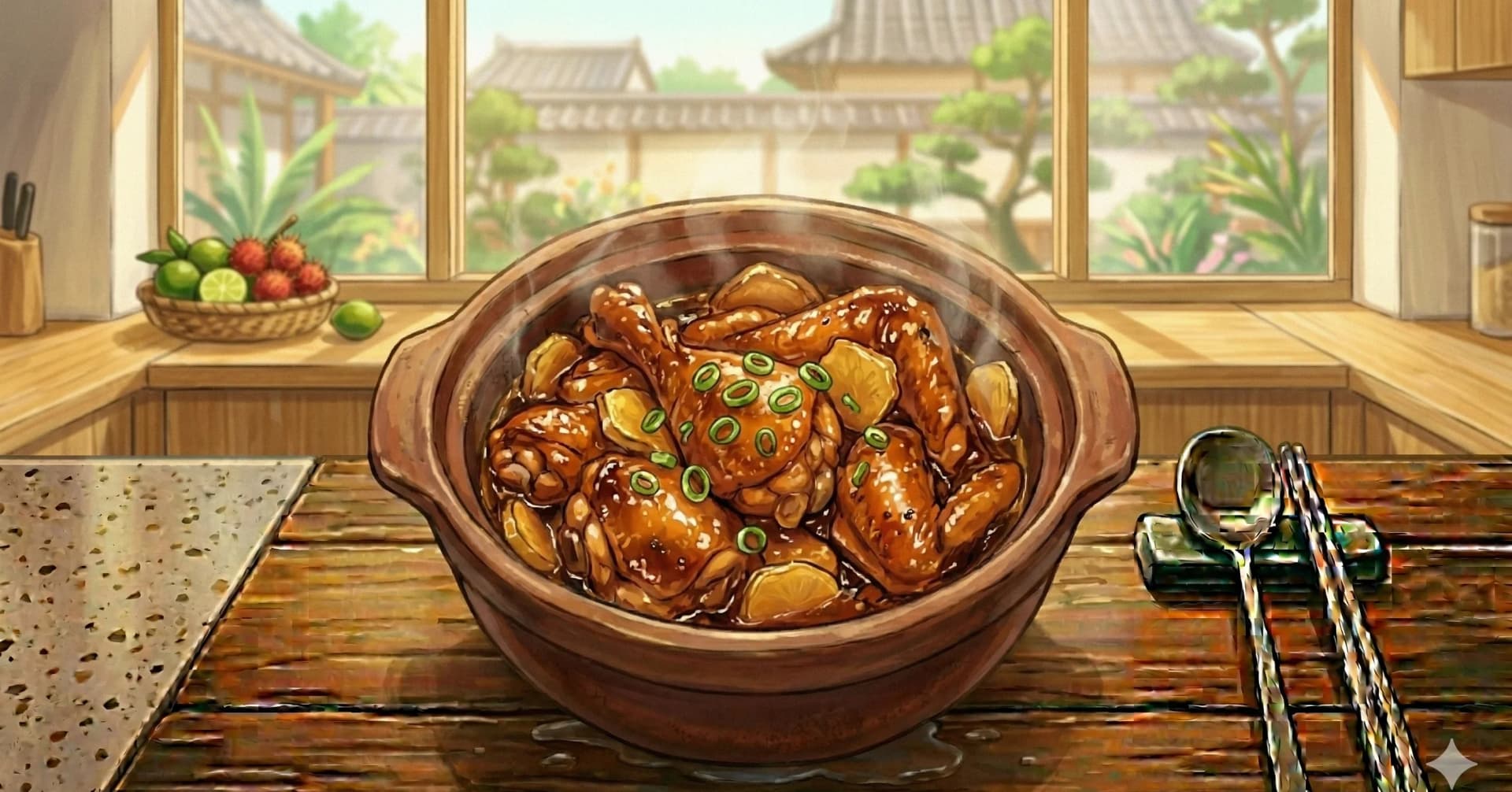
Ga Kho Gung (Vietnamese Caramelized Ginger Chicken)
1 hour
 Easy
EasyVietnamese Cuisine
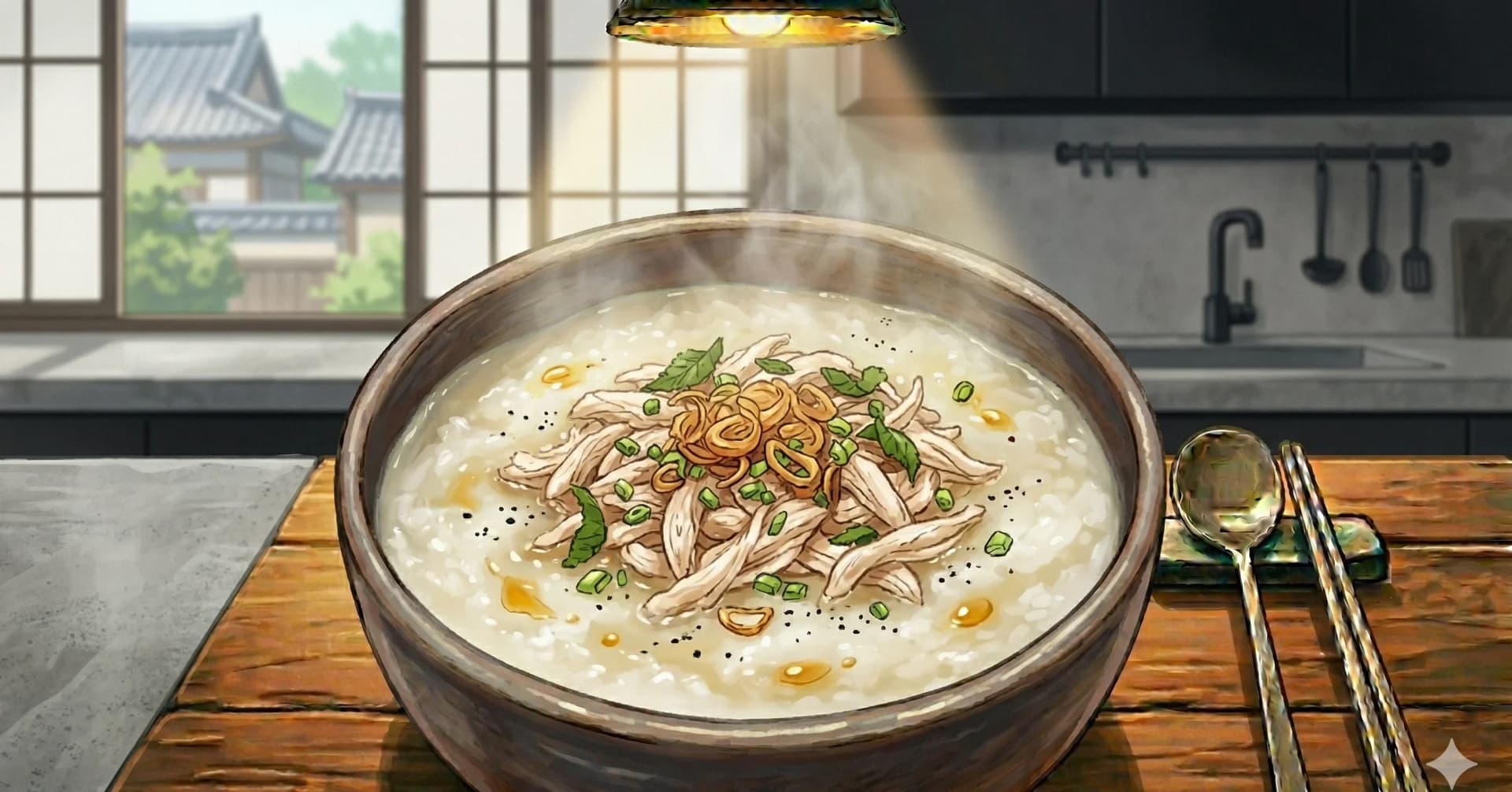
Cháo Gà (Vietnamese Chicken Rice Porridge)
1 hour 30 minutes
 Medium
Vietnamese Cuisine
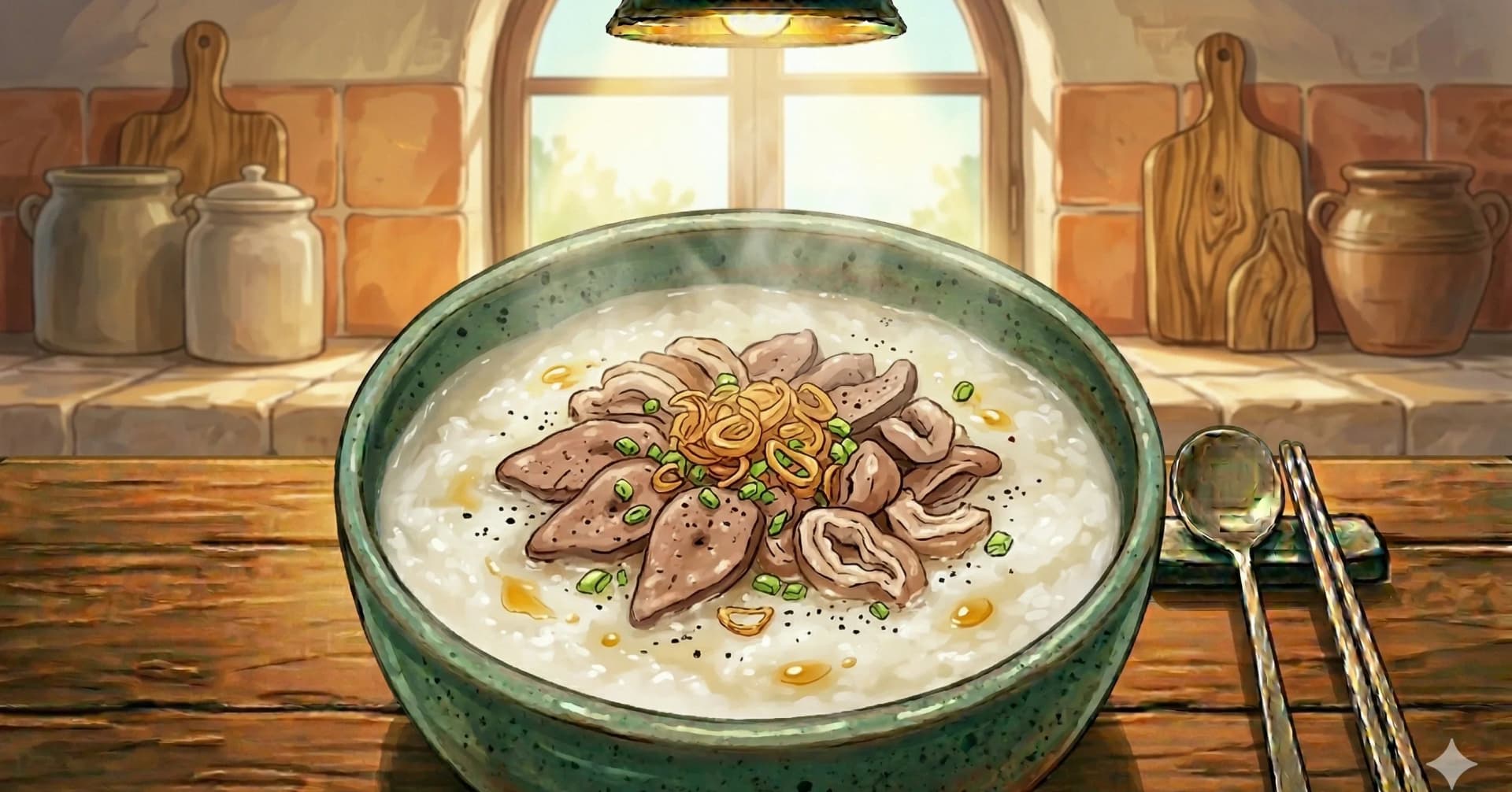
Cháo Lòng (Vietnamese Pork Organ Rice Porridge)
2 hours 15 minutes
 Easy
EasyVietnamese Cuisine
Grilled Lemongrass Pork (Thịt Nướng)
2 hours 30 minutes
Ratings & Comments
Ratings & Comments
Ratings
Share your thoughts on this recipe.
Sign in to rate and comment