Malaysian Cuisine
Hokkien Mee (福建面)
Thick yellow noodles and rice vermicelli braised in a rich prawn and pork bone stock
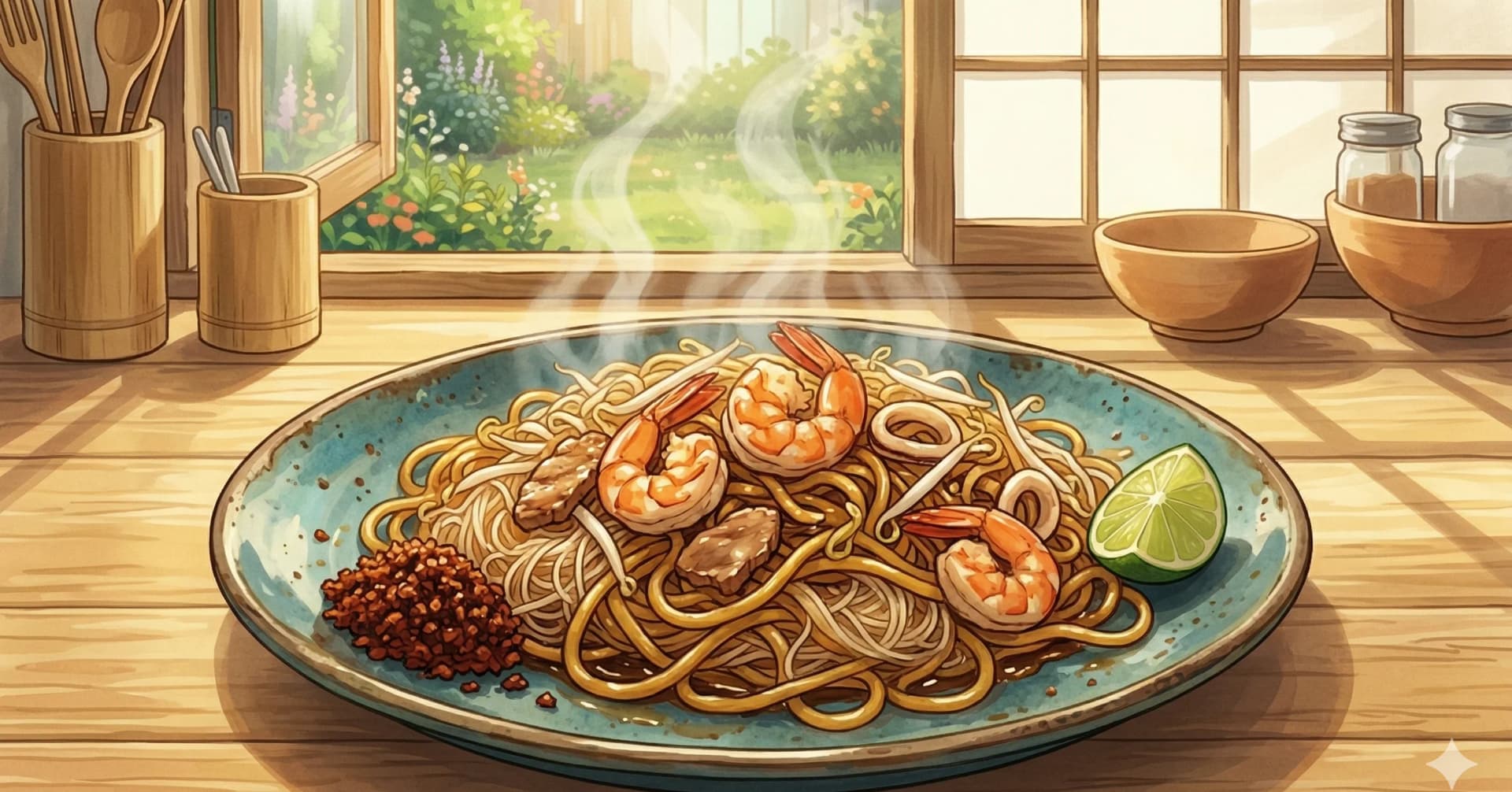
The color tells you everything. Proper Hokkien mee arrives nearly black, the noodles stained so deeply by dark soy sauce and long-braised prawn stock that they look like they have been simmering for hours. In a sense, they have, because the soul of this dish is not in the wok but in the stockpot, where prawn heads, prawn shells, and pork bones have been simmered into a broth so concentrated and savory that it turns ordinary noodles into something with startling depth.
Hokkien mee is a hawker dish with two very different identities depending on where you eat it. In Kuala Lumpur, the name refers to thick yellow noodles stir-fried in a very dark, thick soy sauce with pork, prawns, and cabbage. In Penang, it means something closer to a braised noodle soup, where a combination of yellow noodles and rice vermicelli are cooked directly in that prawn and pork stock until the liquid is nearly absorbed. This recipe follows the Penang tradition, which many consider the more complex and rewarding of the two.
The dish delivers two textures in every bite: the chewy bounce of thick yellow alkaline noodles and the soft, slippery strands of rice vermicelli, both saturated with that deeply savory stock. It comes with whole prawns draped over the top, slices of pork belly, a wedge of lime, and a mandatory side of sambal belachan that you stir in as you eat, adjusting the heat with each mouthful. The preparation requires a strong stock and high confidence at the wok, but the technique itself is straightforward. Make the stock well and the wok work becomes almost automatic.
At a Glance
Yield
4 servings
Prep
30 minutes
Cook
45 minutes
Total
1 hour 15 minutes
Difficulty
Medium
Ingredients
Stock Ingredients
- ¾ lbprawn heads and shells (saved from the prawns below, plus extra if available)
- ¾ lbpork bones (neck or spare rib bones)
- 1½ qtwater
- 2 tbspneutral oil
- 4 clovesgarlic, smashed
- 1 tbsplight soy sauce
- 1 tspsugar
Noodle Ingredients
- ¾ lbfresh thick yellow noodles (Hokkien noodles)
- 5½ ozdried rice vermicelli (bee hoon), soaked in room temperature water for 15 minutes and drained
- 1 lbmedium-large prawns, shell on (peel and reserve heads and shells for stock)
- 7 ozpork belly, sliced into 3 mm strips
- 4 clovesgarlic, minced
- 3eggs
- 4 ozbean sprouts
- 3½ ozkangkung (water spinach), cut into 8 cm lengths, or substitute regular spinach
- 2 tbspdark soy sauce
- 1 tbsplight soy sauce
- 1 tspwhite pepper
- 3 tbsplard or neutral oil
To Serve
- 2limes, cut into wedges
- —Sambal belachan (shrimp paste chili)
- —Fried shallots (optional)
Method
- 1
Peel the prawns and set the flesh aside. Heat 30 ml of oil in a stockpot or large saucepan over high heat. Add the prawn heads and shells and fry, pressing them down with a spatula to release their oils, for 3 to 4 minutes. The shells should turn deep orange and the oil will take on a vivid coral color. You want to hear them sizzle aggressively, not simmer quietly.
- 2
Add the pork bones and smashed garlic to the pot. Pour in 1.5 litres of water. Bring to a boil, then reduce to a steady simmer. Skim any foam that rises during the first 10 minutes. Add the light soy sauce and sugar. Simmer for 30 minutes, partially covered. The stock should reduce by about a third and taste deeply savory with a pronounced prawn sweetness.
- 3
Strain the stock through a fine mesh strainer into a clean pot, pressing the prawn shells firmly to extract every drop of flavor. Discard the solids. You should have roughly 1 litre of concentrated stock. Keep it warm on low heat.
- 4
Heat a wok over high heat until smoking. Add 15 ml of the lard. Sear the pork belly slices in a single layer until the fat renders and the edges turn golden and slightly crispy, about 2 minutes per side. Remove and set aside.
- 5
In the same wok over high heat, add another 15 ml of lard. Sear the peeled prawns for about 1 minute per side until pink and lightly charred. Remove and set aside with the pork.
- 6
Add the remaining lard and the minced garlic. Stir for 10 seconds until fragrant. Add the yellow noodles and toss to coat them in the garlic oil, about 30 seconds.
- 7
Add the drained rice vermicelli. Pour in the dark soy sauce and light soy sauce. Toss to combine, working quickly to distribute the sauce evenly across both types of noodles.
- 8
Pour in about 500 ml of the warm prawn stock. The liquid should come about halfway up the noodles. Toss the noodles through the stock, then reduce heat to medium. Let the noodles braise, tossing occasionally, for 3 to 4 minutes. The noodles will absorb the stock gradually. If they look dry before they are tender, add more stock in 60 ml additions.
- 9
Push the noodles to one side. Crack the eggs into the cleared space and let them set for 15 seconds, then break the yolks and fold them roughly through the noodles in large, soft pieces.
- 10
Return the pork belly and prawns to the wok. Add the kangkung and bean sprouts. Toss everything together for 30 seconds until the greens just wilt and the sprouts soften slightly. Season with white pepper.
- 11
Taste the noodles. They should be deeply savory, faintly sweet from the prawn stock, and dark from the soy. The noodles should be tender but not mushy, and there should be a thin coating of rich, reduced sauce clinging to each strand, not a pool of liquid in the wok.
- 12
Divide among plates, arranging the prawns and pork belly slices visibly on top. Serve with lime wedges and sambal belachan on the side. Squeeze the lime generously over the noodles before eating. The acid brightens the heavy, dark soy flavors dramatically.
Key Ingredient Benefits
Prawn heads and shells: These are the most flavor-rich parts of the prawn, containing concentrated proteins, fats, and the carotenoid astaxanthin. Simmering them releases glutamate and inosinate, two compounds that together create a synergistic umami effect far stronger than either alone. In traditional Chinese and Southeast Asian cooking, prawn shell stock is considered a warming, nourishing preparation.
Kangkung (water spinach): A semi-aquatic green vegetable widely consumed across Southeast Asia. It is exceptionally rich in iron (about 2.5 mg per 100 g), vitamin A, vitamin C, and folate. Traditional Southeast Asian medicine considers kangkung cooling and mildly detoxifying. It wilts quickly, so it is added at the very end.
Yellow alkaline noodles: Made from wheat flour, water, and an alkaline salt (lye water or potassium carbonate), which gives them their springy texture and distinctive yellow color. The alkalinity raises the pH of the dough, strengthening the gluten network and creating a chewier noodle that holds up well to braising.
Why This Works
The prawn stock is what separates a great Hokkien mee from a merely acceptable one. Frying the prawn heads and shells before adding water extracts fat-soluble flavor compounds, particularly the carotenoid astaxanthin, which gives the stock its coral color and contributes to the perception of richness. Simmering the shells with pork bones adds a layer of collagen and meaty depth. The resulting stock is more complex than either ingredient could produce alone.
Braising the noodles directly in the stock, rather than simply stir-frying them and adding a sauce, allows the noodles to absorb flavor from the inside out. As the stock reduces, the dissolved proteins and sugars concentrate on the noodle surfaces, creating a thin glaze that clings rather than pools. This is why the best Hokkien mee looks almost dry but tastes extraordinarily rich.
Using two types of noodles is not a stylistic choice but a textural one. The thick yellow noodles provide chew and body, while the rice vermicelli adds a softer, more delicate strand that absorbs stock more readily. Together, they create a more interesting eating experience than either could alone.
Substitutions & Variations
Kangkung: Regular spinach, baby bok choy, or choy sum are reasonable substitutes. None have quite the same hollow-stemmed crunch, but they wilt similarly and add the needed green contrast.
Pork belly: Substitute boneless chicken thigh sliced thin for a lighter version. The rendered pork fat contributes significant flavor, so add an extra tablespoon of lard or oil to compensate.
KL-style Hokkien mee: Omit the rice vermicelli and the stock braising step. Instead, stir-fry only the thick yellow noodles with extra dark soy sauce (45 ml total), pork lard cracklings, and cabbage. The result is darker, drier, and intensely caramelized.
Cockles: Adding 80 g of blanched cockles with the prawns at the end is traditional in some Penang versions and adds a briny, iron-rich element.
Serving Suggestions
Hokkien mee is a one-plate meal in the hawker tradition. It rarely appears alongside other dishes at a market stall, and the sambal belachan and lime on the side are considered part of the dish, not condiments.
For a home dinner, pair it with satay for a classic Malaysian combination of smoky grilled skewers and rich braised noodles. A bowl of soto ayam provides a lighter, broth-based counterpoint that cleanses the palate between bites of the heavy noodle dish.
For a Malaysian noodle night, set Hokkien mee alongside char kway teow and mee rebus for three completely different approaches to noodles from the same food culture.
Storage & Reheating
Refrigerator: Store in a sealed container for up to 2 days. The noodles will continue to absorb any residual moisture, so they may be drier on reheating.
Reheating: Add a splash of the reserved stock (or water) and reheat in a hot wok, tossing frequently. This revives some of the moisture and flavor. A microwave will work in a pinch but softens the noodles further.
Freezer: Not recommended for the finished dish. The prawn stock, however, freezes beautifully for up to 3 months and is worth making in larger batches.
Prep ahead: The prawn and pork stock can be made 2 days in advance and refrigerated. The prawns can be peeled and the vegetables prepped a day ahead.
Cultural Notes
Hokkien mee (福建面) is a category of dishes rather than a single recipe. The name refers to noodle preparations developed by the Hokkien Chinese diaspora across Southeast Asia, and three quite different dishes share the name in three different cities. Penang Hokkien mee (also called Hokkien prawn mee) is a soupy preparation built on prawn-shell-and-pork-bone broth. Kuala Lumpur Hokkien mee is the dark, dry-fried version with thick yellow noodles in black soy sauce, and the one most often pictured in Malaysian cookbooks. Singapore Hokkien mee is yet another variation, stir-fried with shrimp, squid, and pork in a slightly wet sauce.
The Penang version traces its origins to the Hokkien (Fujian) Chinese immigrants who settled in George Town, Penang, during the 19th century when the city served as a major British trading port. The dish was likely created as a way to pull maximum flavor from the heads and shells of prawns processed for sale, simmered into a deeply savory orange broth that becomes the dish's defining element. Penang Hokkien mee is so culturally specific to George Town that many Penangites consider versions sold outside the city to be of unavoidably lesser quality, no matter the technique.
The Kuala Lumpur dark-soy version pictured in most international Malaysian cookbooks emerged later, in the early-to-mid 20th century, and is a quite different dish despite sharing the Hokkien mee name. Its signature is the heavy hand with dark caramel-colored soy sauce (kicap pekat) and pork lard, producing a deeply colored, savory, almost meaty noodle dish unlike its Penang cousin. The most legendary KL stall is Restoran Kim Lian Kee in Petaling Street's Chinatown, which has run continuously since 1927 and is widely credited with originating the modern KL Hokkien mee style.
Nutrition Facts
Calories: 975kcal (49%)|Total Carbohydrates: 59.7g (22%)|Protein: 67.1g (134%)|Total Fat: 51.5g (66%)|Saturated Fat: 15.7g (78%)|Cholesterol: 510mg (170%)|Sodium: 1331mg (58%)|Dietary Fiber: 3.1g (11%)|Total Sugars: 3.3g
You Might Also Like
 Medium
Thai Cuisine
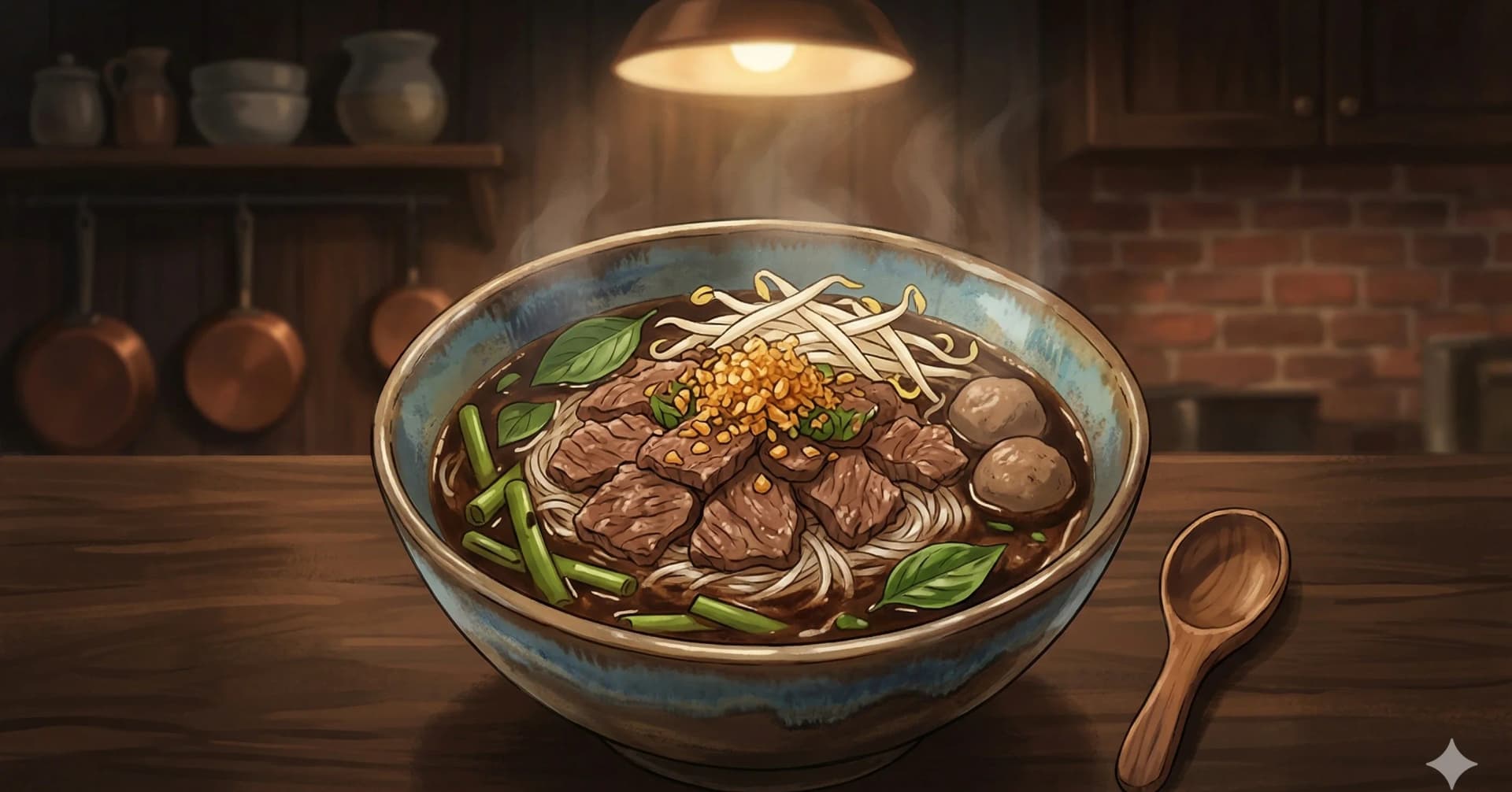
Boat Noodles (ก๋วยเตี๋ยวเรือ)
3 hours 15 minutes
 Medium
Vietnamese Cuisine
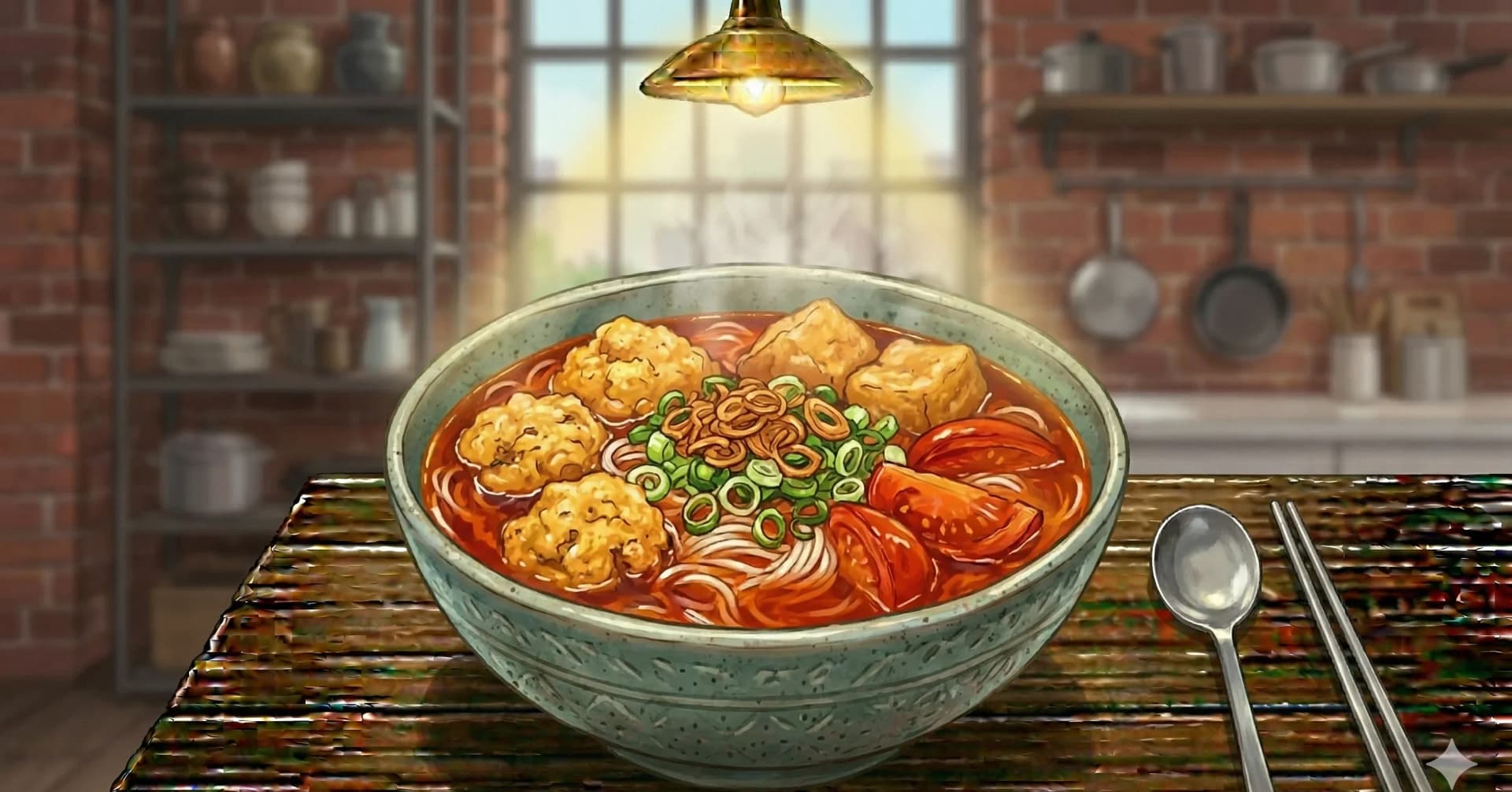
Bun Rieu (Vietnamese Crab and Tomato Noodle Soup)
2 hours
 Medium
Vietnamese Cuisine
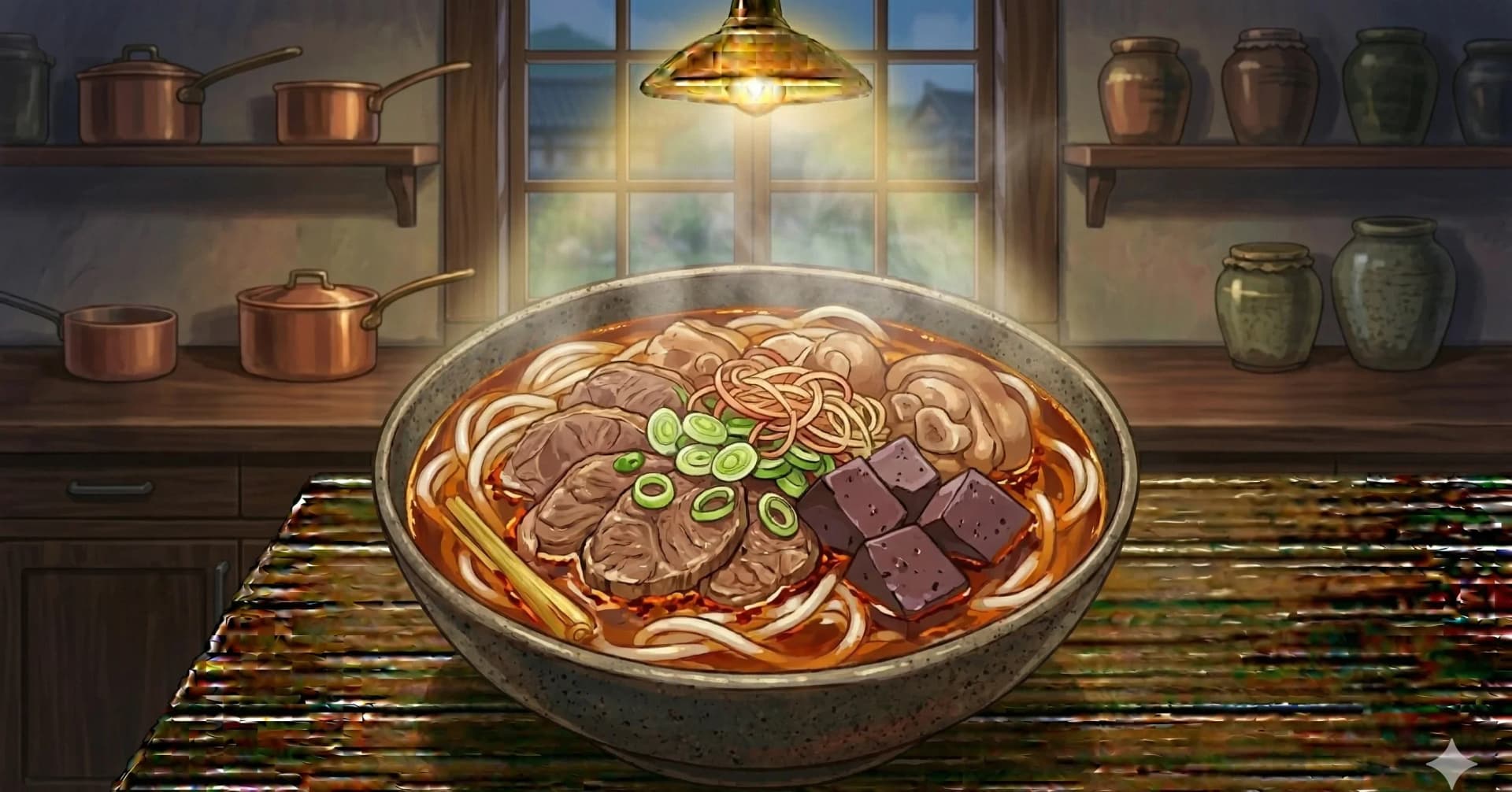
Spicy Beef Noodle Soup (Bún Bò Huế)
3 hours 45 minutes
 Medium
Vietnamese Cuisine
Cháo Lòng (Vietnamese Pork Organ Rice Porridge)
2 hours 15 minutes
Ratings & Comments
Ratings & Comments
Ratings
Share your thoughts on this recipe.
Sign in to rate and comment