Chinese Cuisine
Bai Qie Ji (White Cut Chicken)
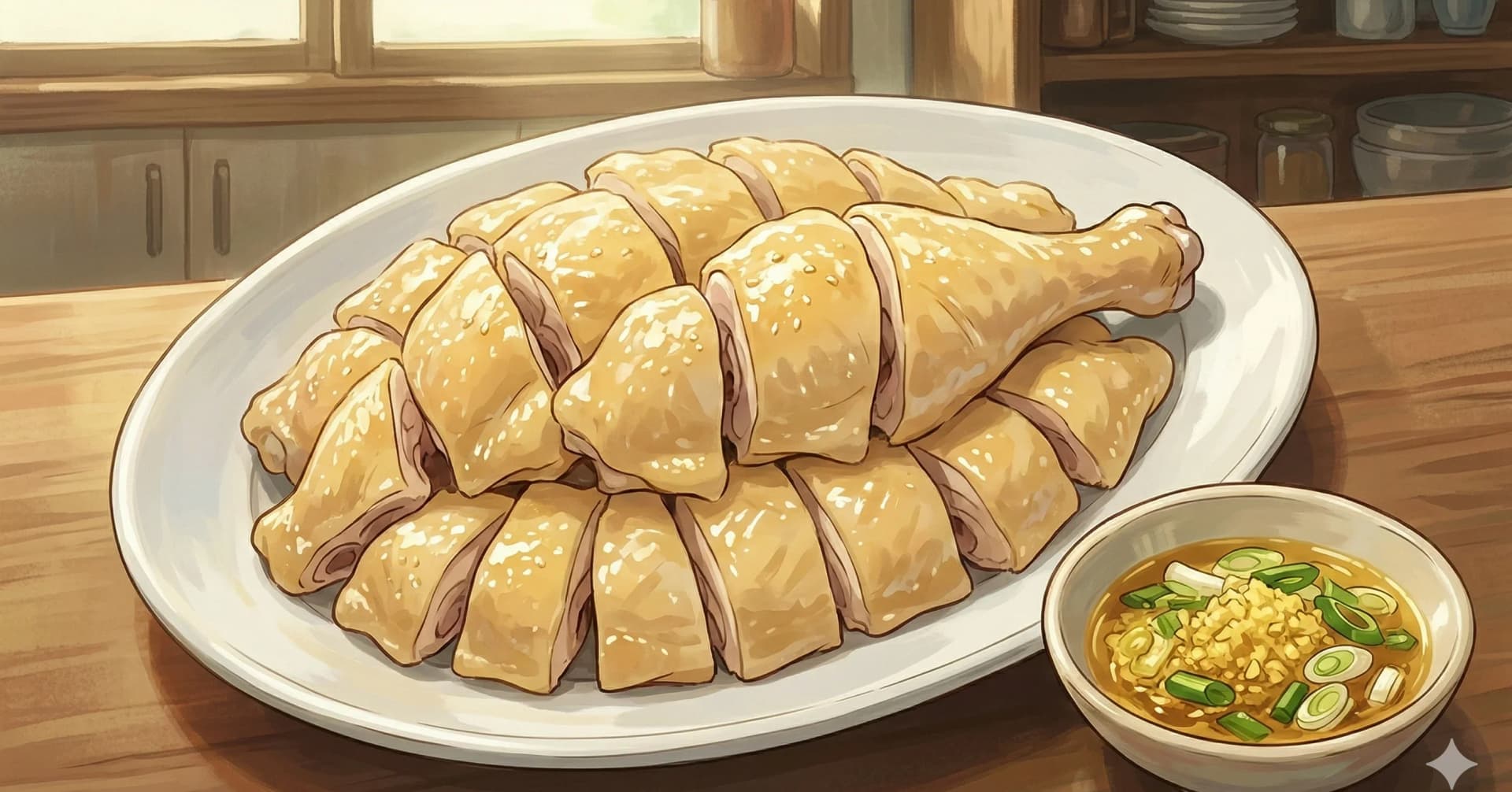
Cantonese poached chicken with silky skin and impossibly tender meat, served cold with ginger scallion sauce
This is the dish that reveals what a chicken actually tastes like. No marinade, no spice rub, no glaze. Just a whole bird, gently poached in water with a few aromatics, then chilled until the skin tightens into something smooth, almost gelatinous, and the meat reaches a state of tenderness that feels like it should not be possible from such a simple technique.
White cut chicken is a cornerstone of Cantonese cuisine and appears at celebrations, banquets, and ancestral offerings throughout southern China. Its simplicity is deceptive. Every variable matters: the quality of the bird, the gentleness of the simmer, the precision of the timing, and the ice bath that follows. Get any one of these wrong, and you end up with dry, overcooked chicken or, worse, a rubbery skin that has none of the prized jelly-like quality.
The technique relies on patience rather than skill. The chicken is lowered into boiling water three times before being left to poach, a traditional step that ensures the cavity fills with water so the bird cooks evenly from inside and out. The simmer must be barely perceptible, with the barest whisper of bubbles. Too vigorous, and the skin tears and the meat toughens. Too cold, and the chicken takes so long to cook that the outer layers dry out before the inside is done.
A dry brine with salt before cooking draws moisture to the surface, seasons the meat evenly, and helps the skin achieve its characteristic texture. This step is not traditional in every version of the dish, but it makes a noticeable difference, especially with the larger chickens commonly sold in Western markets.
The ginger scallion sauce is not optional. It is the perfect companion: bright, sharp, and aromatic, cutting through the mild richness of the chicken with every dip. Together, the cold chicken and the room-temperature sauce are one of the most elegant things you can put on a dinner table.
At a Glance
Yield
6 servings
Prep
4 hours (includes brining)
Cook
30 minutes
Total
4 hours 30 minutes
Difficulty
Medium
Ingredients
Chicken Ingredients
- 1 wholechicken, under 1.4 kg
- 2 tspsea salt
- ¼ cupShaoxing wine
- 6scallions, halved
- —3-inch piece fresh ginger, sliced into coins
- 8 clovesgarlic
- 2½ qtwater
- 1 tbsptoasted sesame oil (for finishing)
Dipping Sauce Ingredients
- 4scallions, finely sliced
- ½ cupfresh ginger, finely minced
- ¼ ozchicken bouillon powder
- 1 tbsplight soy sauce
- ⅛ tspsugar
- ¼ cuppeanut oil
Method
- 1
Brine the chicken. Remove any giblets from the cavity. Pat the chicken thoroughly dry with paper towels. Sprinkle the sea salt evenly over the outside and inside of the bird. Place on a tray in the refrigerator, uncovered, for at least 30 minutes and up to half a day. The longer the brine, the more deeply the salt penetrates the meat.
- 2
Prepare the poaching liquid. Add 10 cups of water to a large pot that can hold the whole chicken with room to spare. Add the Shaoxing wine, scallion halves, ginger slices, and garlic cloves. Bring to a full boil over high heat.
- 3
Dip the chicken. Holding the chicken firmly by the legs, gently dunk the bird into the boiling water three times, lowering it in and pulling it out each time. This traditional step ensures the cavity fills with hot water, which helps the chicken cook evenly from the inside.
- 4
Poach the chicken. Lower the chicken into the water, breast side up. Bring the water back to a very low simmer, cover the pot, and cook over the lowest possible heat. The water should barely bubble. Poach for 7 minutes per pound of chicken, flipping once halfway through if the water does not fully cover the bird. A 2.5-lb chicken will take about 17 to 18 minutes. The thickest part of the thigh should register 165F (74C) on a thermometer, and juices should run clear when pierced.
- 5
Prepare the ice bath. While the chicken poaches, fill a large bowl with ice water.
- 6
Chill the chicken. When the chicken is just cooked through, lift it carefully from the pot using a spider strainer or tongs and transfer it directly into the ice bath. Let it cool until you can handle it comfortably, about 10 to 15 minutes. This stops the cooking immediately and tightens the skin into its characteristic smooth, almost jelly-like texture. Drain the chicken thoroughly.
- 7
Make the ginger scallion sauce. In a small bowl, combine the sliced scallions, minced ginger, chicken bouillon, soy sauce, and sugar. Pour the peanut oil over the top (cold, not heated) and stir to combine. The oil will carry the aromatics and create a loose, fragrant sauce.
- 8
Carve and serve. Place the chicken on a cutting board and brush the skin all over with sesame oil for shine. Using a cleaver, chop the chicken through the bones into bite-sized pieces, keeping the skin attached to the meat. If you do not have a cleaver, carve the chicken Western-style by removing the breasts and legs, then slice against the grain. Arrange on a platter and serve with the ginger scallion sauce on the side.
Key Ingredient Benefits
Whole chicken: The quality of the bird matters more in this dish than in almost any other chicken preparation. There is nowhere to hide behind bold sauces or heavy seasoning. A small, well-raised chicken with good fat distribution will produce dramatically better results than a large, factory-farmed bird. Free-range and heritage breeds are worth seeking out for this recipe.
Ginger: The fresh ginger in both the poaching liquid and the dipping sauce provides gingerol, the compound responsible for ginger's characteristic warmth and pungency. Research supports ginger's anti-nausea and anti-inflammatory properties. See the Ginger ingredient guide.
Peanut oil: Used in the ginger scallion sauce for its neutral flavor and ability to carry the aromatic compounds from the ginger and scallion. It provides monounsaturated fats and vitamin E. See the Peanut Oil ingredient guide.
Why This Works
The poaching technique is the opposite of how most Western cooking treats chicken. Instead of high heat and short time, this method uses the lowest possible heat and a relatively short time, producing meat that is uniformly tender from surface to bone. The gentle simmer means the protein fibers do not seize and tighten the way they do with aggressive boiling, resulting in a much more delicate texture.
The ice bath is the second critical step. Plunging the hot chicken into ice water achieves two things: it halts the cooking immediately so the meat does not continue to cook from residual heat, and it causes the layer of fat and collagen just beneath the skin to solidify rapidly. This is what creates the distinctive jelly-like skin that Cantonese diners prize. Without the ice bath, the skin remains loose and flabby.
The dry brine compensates for a limitation of poaching. Unlike roasting, where the bird sits in its own drippings and develops concentrated flavors on the surface, poaching produces a relatively mild flavor. The salt penetrates the meat during the brining period, ensuring every bite is properly seasoned.
Omnivore's Cookbook adds the technique of dipping the chicken three times before the final immersion, which is a traditional Cantonese method. The repeated plunging exposes the bird to rapid temperature changes that help set the outer layer of the skin before the full poaching begins, contributing to the smooth skin texture.
Substitutions & Variations
Chicken size: A bird under 3 pounds is ideal. If using a larger chicken (up to 4 pounds), increase the water to 12 cups and extend the poaching time to 7 minutes per pound. Larger birds are more difficult to cook evenly.
Chicken parts: Bone-in, skin-on chicken thighs or a whole leg quarter can be poached the same way. Reduce the poaching time to about 15 minutes for individual pieces.
Ginger scallion sauce variation: For a more intense sauce, heat the peanut oil until it just shimmers, then pour it over the ginger and scallion. The hot oil partially cooks the aromatics and creates a more mellow, deeper flavor. See Ginger Scallion Beef for a related approach to using ginger and scallion together.
Soy sauce chicken: For a richer, more savory version, poach the chicken in a master stock of soy sauce, rock sugar, and spices. This creates Soy Sauce Chicken, a related Cantonese classic.
Drunken chicken: Poach the chicken the same way, then marinate the chilled pieces in Shaoxing wine, salt, and ginger overnight. This creates Zui Ji (drunken chicken), a Shanghai banquet dish.
Serving Suggestions
White cut chicken is traditionally served at room temperature or slightly chilled, making it an ideal dish for a multi-course meal where timing is important. It pairs beautifully with Congee, which provides a warm, gentle contrast to the cool, silky chicken. For a Cantonese family dinner, add Black Bean Chicken as a hot stir-fry and steamed Chinese broccoli with oyster sauce. Claypot Rice makes a satisfying one-pot companion that draws on the same philosophy of letting good ingredients speak for themselves.
Storage & Reheating
Refrigerator: Store the poached chicken, whole or carved, in an airtight container for up to 3 days. Keep the ginger scallion sauce in a separate container. The chicken is designed to be eaten cold, so no reheating is necessary.
Leftover uses: Shredded white cut chicken makes an excellent topping for Congee, a filling for rice rolls, or an addition to cold noodle salads. Toss with sesame oil, soy sauce, and shredded cucumber for a quick lunch.
Freezing: The poached chicken can be frozen for up to 1 month, though the skin texture will change. It remains useful for congee toppings and salads after thawing.
Poaching liquid: Strain and save the poaching liquid as a light chicken stock. It will be lightly flavored with ginger and scallion, making it ideal for Wonton Soup or as the base for savory congee.
Cultural Notes
Bai qie ji (白切雞, "white-cut chicken") is the Cantonese poached chicken that opens countless Cantonese meals and is one of the foundational preparations of the cuisine. The dish is a study in restraint: a whole chicken is poached gently in seasoned water until just barely cooked through, chilled briefly to set the skin, then chopped through the bone into bite-sized pieces and served with a small dish of fresh ginger-scallion oil for dipping. The flavor of the dish comes entirely from the quality of the chicken and the precision of the poaching, with the seasoning role left almost entirely to the dipping sauce.
The technique is exacting in its simplicity. A whole chicken (traditionally a young hen, called a qing yuan ji if from the Qingyuan region of Guangdong, which is the most prestigious source for bai qie ji) is rubbed with salt inside and out, then submerged in a pot of water seasoned with ginger, scallion, and Shaoxing wine that has been brought to a gentle simmer. The chicken is poached at a bare simmer for ten to fifteen minutes, then the heat is turned off and the chicken finishes cooking from residual heat for another twenty to thirty minutes. The cooked chicken is plunged into ice water briefly to firm up the skin and stop the cooking, then drained and chopped. A properly cooked bai qie ji has skin that is taut and smooth, flesh that is just-cooked with a barely-pink line near the bone (this is desirable, not a sign of undercooking), and juice that runs clear when the chicken is sliced.
The dipping sauce is the accompaniment that does the seasoning work. The standard sauce is sheung yau (爽油, "fresh oil"): finely minced fresh ginger and scallion (white parts only) salted lightly and dressed with hot neutral oil that has been heated to smoking and poured over the aromatics to bloom their compounds. Some versions add a splash of light soy sauce; others stay with the pure ginger-scallion-oil profile. The dish appears at Cantonese family meals, at siu mei shops where it is sold alongside the roast meats, at wedding banquets as one of the auspicious courses, and at almost any sit-down Cantonese restaurant as a default option for diners who want something light and clean.
Nutrition Facts
Calories: 460kcal (23%)|Total Carbohydrates: 5.1g (2%)|Protein: 42.5g (85%)|Total Fat: 28.3g (36%)|Saturated Fat: 7g (35%)|Cholesterol: 133mg (44%)|Sodium: 1133mg (49%)|Dietary Fiber: 0.9g (3%)|Total Sugars: 1.1g
You Might Also Like
 Medium
Chinese Cuisine
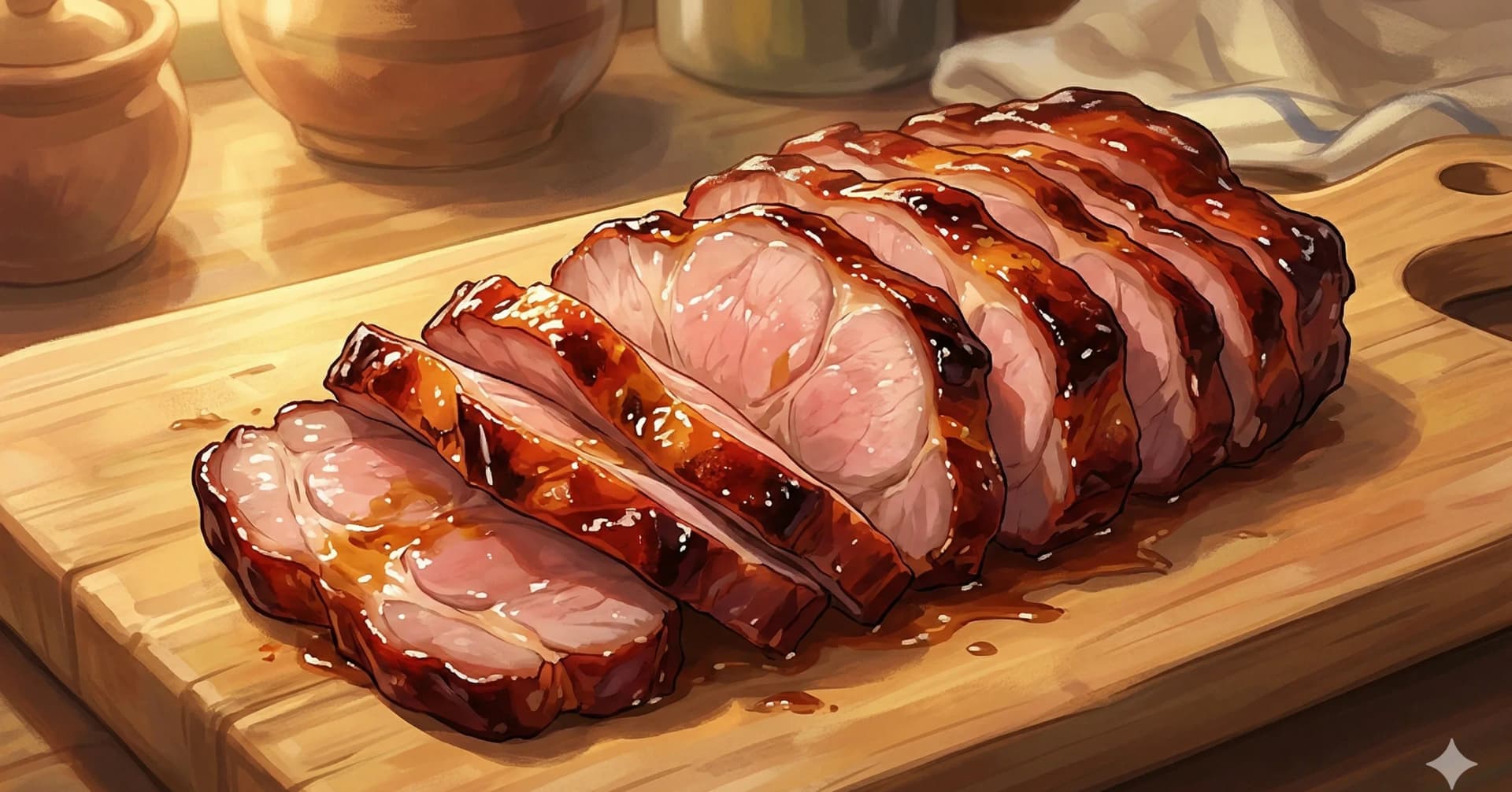
Char Siu (Chinese BBQ Pork)
9 hours (including marinating)
 Medium
Chinese Cuisine
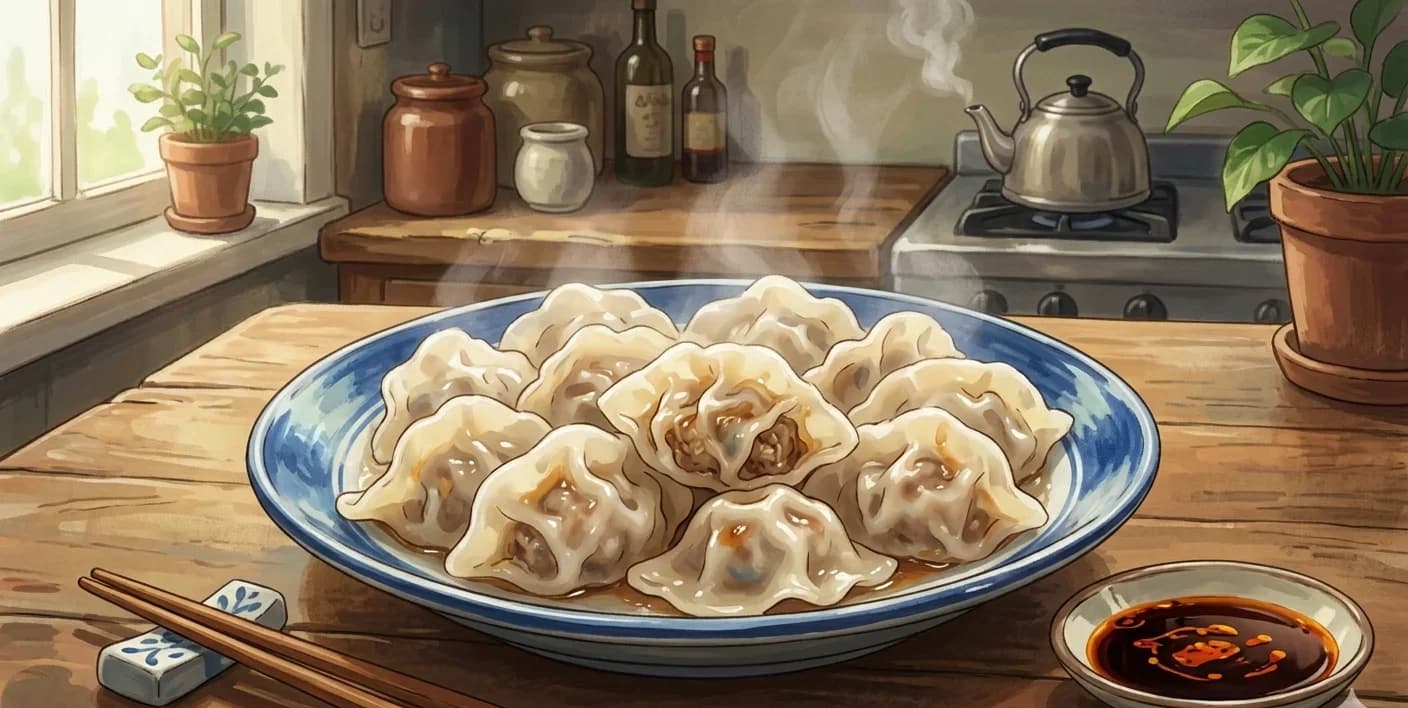
Niu Rou Yang Cong Jiaozi (Beef and Onion Dumplings)
60 minutes
 Easy
EasyTraditional Chinese Medicine · China
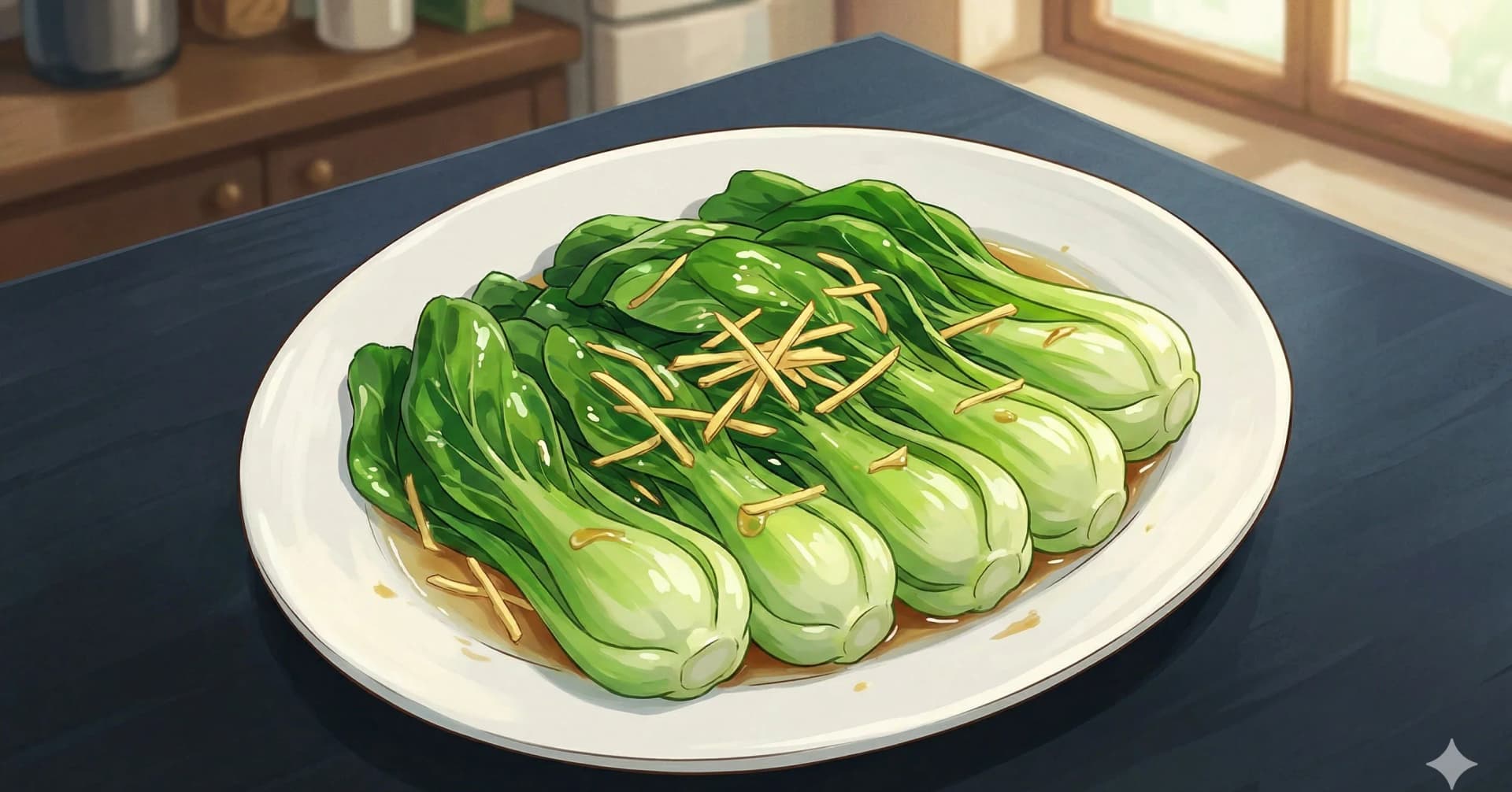
Bok Choy in Ginger Sauce (姜汁白菜)
6 minutes
 Easy
EasyCross-Cultural · China
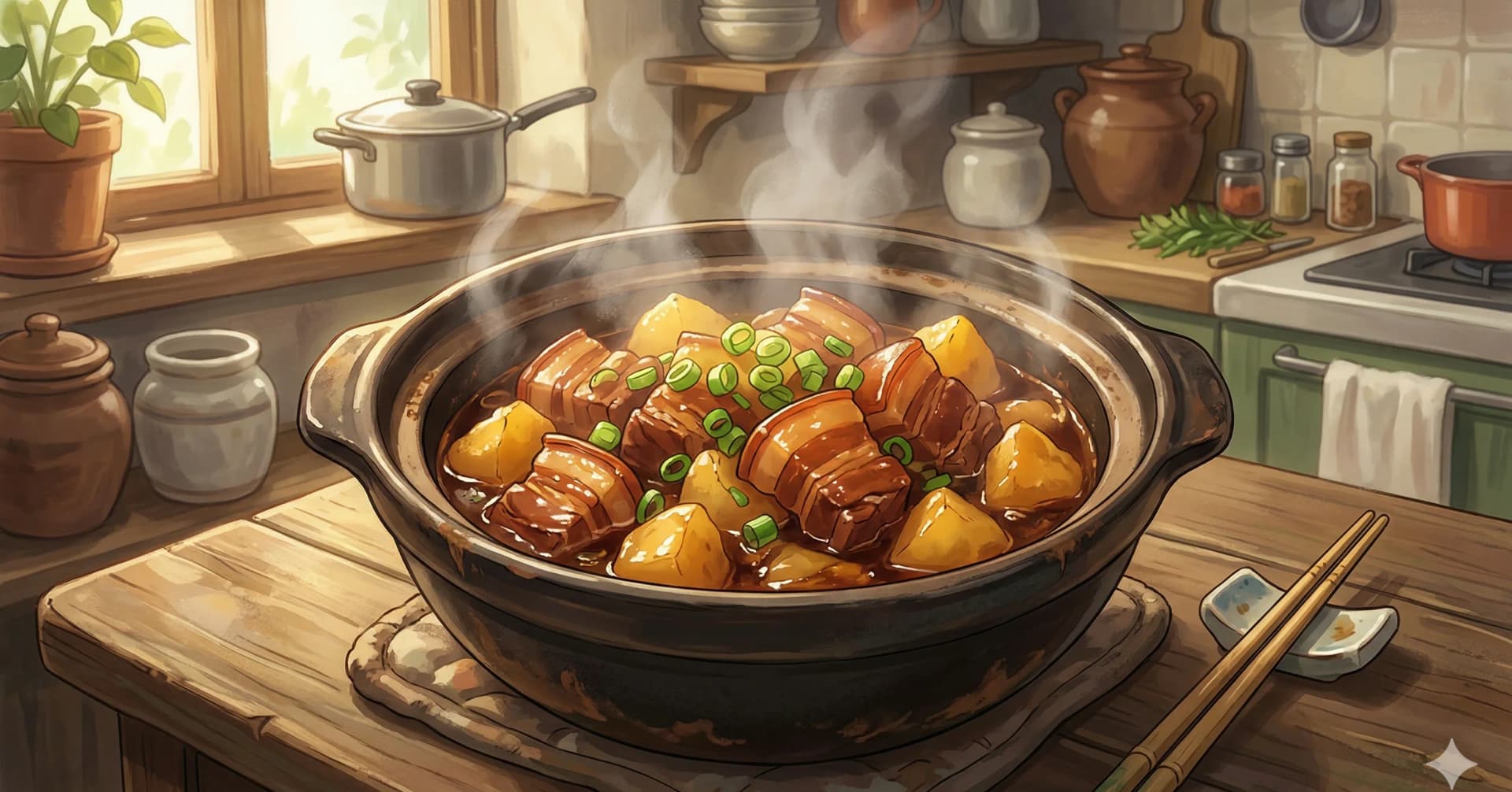
Braised Pork with Potatoes (薯仔炆豬肉)
40 minutes
Ratings & Comments
Ratings & Comments
Ratings
Share your thoughts on this recipe.
Sign in to rate and comment