Cross-Cultural · Korea
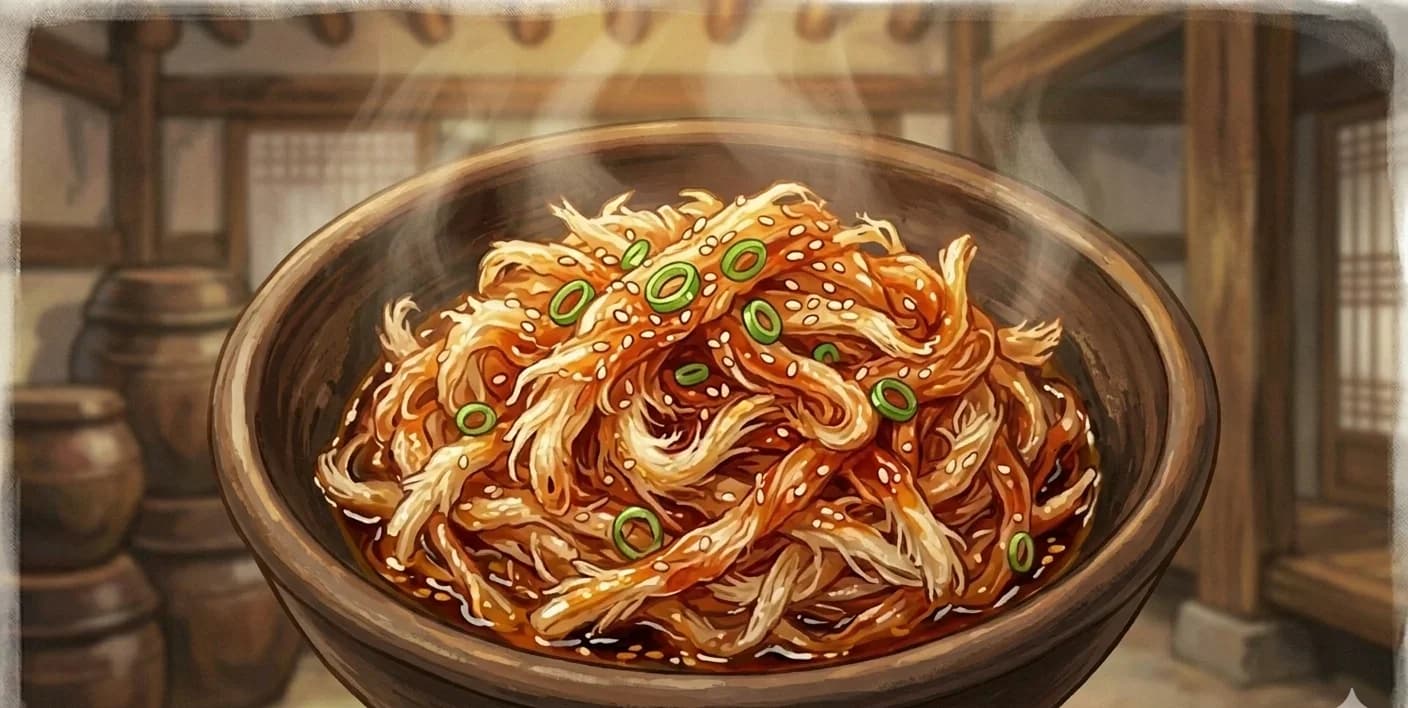
Spicy Dried Pollock (Bugeopo Gochujang-Muchim / 북어포 고추장무침)
Dried shredded pollock tossed in a sweet-spicy gochujang sauce with rice syrup, sesame oil, and garlic
Bugeopo gochujang-muchim is one of those banchan that takes ten minutes to make and lasts a month in the fridge. Dried shredded pollock, soaked briefly to soften, gets tossed in a sauce of gochujang, rice syrup, sesame oil, vegetable oil, and garlic. No cooking required. The pollock absorbs the sauce over time, getting better as it sits.
Dried pollock (bugeo) has been a staple of Korean cuisine for centuries. The drying process concentrates the flavor and protein while creating a light, flaky texture that absorbs sauces eagerly. Before mixing, you soak the strands for about fifteen minutes to rehydrate them slightly, then squeeze out the excess water. Some cooks pound the pollock in a bag with a rolling pin first to soften and flake it, which helps it absorb even more sauce.
The sauce is the standard Korean sweet-spicy formula: gochujang for fermented chili heat, rice syrup for sticky sweetness, sesame oil for nuttiness, and garlic for sharpness. The vegetable oil loosens the mixture and helps it coat the pollock evenly. Sesame seeds go on at the end. The result is a banchan that is sweet, spicy, chewy, and deeply savory, the kind of side dish that makes a bowl of plain rice feel like a complete meal.
At a Glance
Yield
4 servings
Prep
20 minutes
Cook
0 minutes
Total
20 minutes
Difficulty
Easy
Ingredients
- 3.5 ozdried shredded pollock, 100g
- 1/2 cupgochujang
- 1/2 cuprice syrup or corn syrup
- 2 tbsptoasted sesame oil
- 2 tbspvegetable oil
- 2garlic cloves, minced
- 1 tbsproasted sesame seeds
Method
- 1
Soak dried pollock in water for 15 minutes. Drain and gently squeeze out excess water.
- 2
Check for any small bones and discard. Pull apart and shred into fine strands.
- 3
Mix gochujang, rice syrup, sesame oil, vegetable oil, and garlic in a bowl until well combined.
- 4
Add the pollock and toss thoroughly until every strand is coated.
- 5
Sprinkle sesame seeds on top. Serve or store in an airtight container.
Key Ingredient Benefits
Dried shredded pollock (bugeopo): Pollock that has been air-dried and shredded into delicate ribbons. The drying process intensifies the fish's natural umami compounds and creates a chewy, slightly fibrous texture that absorbs sauce beautifully. Dried pollock is one of the most popular preserved fish in Korea, and bugeopo (the shredded form) is a household staple. It is exceptionally high in protein (about 60% by weight) and contains taurine and choline, which are associated with cardiovascular and cognitive function.
Gochujang: The flavor backbone. The fermented chili paste provides heat, sweetness, salinity, and deep umami in one ingredient. The paste also has natural stickiness that helps it coat the pollock strips evenly.
Rice syrup: A surprisingly generous amount of sweetener is used to balance the intense umami of dried pollock. Rice syrup specifically (rather than sugar) gives the finished dish a glossy, almost candy-like appearance and a sticky, lacquered coating.
Sesame oil and sesame seeds: Add nutty fragrance and visual texture. The oil also softens the dried pollock slightly, making it more pleasant to chew.
Garlic: Raw, minced. Cuts through the sweet gochujang and provides sharp aromatic contrast.
Why This Works
Soaking or briefly rinsing the dried pollock is essential. Even a quick 30-second water bath rehydrates the surface enough to make the fish pleasantly chewy rather than leathery. Skip this step and the banchan requires real jaw work to enjoy.
The high sugar-to-savory ratio is unusual for a Korean savory dish but absolutely correct for dried-seafood banchan. Dried fish has such concentrated umami and saltiness that without significant sweetness, the dish becomes overwhelming. The 1:1 ratio of gochujang to rice syrup is the standard for this category of banchan.
Heating the sauce briefly with the oil before tossing with the fish helps the gochujang dissolve smoothly and creates a more cohesive coating. Cold gochujang can clump and coat unevenly; warmed gochujang flows like a glaze.
Letting the dressed pollock rest for at least 30 minutes before serving is important. The fish needs time to absorb the sauce and for the flavors to meld. Eaten immediately, the dish tastes one-dimensional; rested, it develops the layered sweet-spicy-savory character that makes it addictive.
Substitutions & Variations
Dried shredded pollock (bugeopo): Available at Korean grocery stores. There is no perfect substitute. Dried shredded squid (ojingeochae) can be used in the same recipe to produce a closely related dish. Dried anchovies (myeolchi) can also be tossed in this sauce, though the result is different — saltier and more compact.
Gochujang: No real substitute. A blend of miso and sriracha gets close enough in flavor profile but lacks the fermentation depth.
Rice syrup: Corn syrup is the most common substitute and what many Korean homes actually use. Honey works but adds floral notes. Brown sugar dissolved in oil is a passable substitute.
Vegetable oil: Light olive oil has become a popular substitute in modern Korean cooking. Either works.
Garlic: Cannot be skipped without significantly altering the character.
Serving Suggestions
Bugeopo gochujang-muchim is one of the most popular Korean banchan, served in tiny portions alongside rice and other dishes. Its bold sweet-spicy flavor makes it especially good alongside mild mains: doenjang jjigae (soybean paste stew), galbitang (clear short rib soup), or simple grilled fish.
Serve a small mound on a saucer-sized plate. A pinch is plenty per bite. This banchan is also a favorite anju (drinking food) in Korea, paired with chilled soju, makgeolli, or beer. The salty-sweet-spicy combination is famously compatible with cold alcohol.
For a lunch box (dosirak), bugeopo gochujang-muchim is an ideal choice — it holds up beautifully at room temperature, adds vivid color, and provides intense flavor that elevates an otherwise simple rice-and-vegetables lunch.
Pair with other banchan for a complete Korean meal: oi muchim (spicy cucumber salad), kongnamul muchim (seasoned soybean sprouts), and kimchi.
Storage & Reheating
Refrigerator: Keeps in an airtight container for 3 to 4 weeks. This is one of the longest-keeping Korean banchan, designed to provide reliable, ready-to-eat flavor for weeks at a stretch.
Serving temperature: Always served cold or at room temperature. Never heated.
Texture over time: The pollock continues to absorb sauce over the first few days, deepening the flavor. After about a week, the fish can become slightly drier; toss with an additional teaspoon of sesame oil to revive it.
Make-ahead: Designed to be made ahead. Many Korean families make a large batch and portion it out over the month.
Freezing: Not recommended. The texture of the dried pollock suffers and the sauce can crystallize.
Cultural Notes
Bugeopo gochujang-muchim belongs to the larger category of muchim (무침, "seasoned" or "dressed") banchan, which dominate the Korean home table. Korean banchan culture relies on having multiple small, distinctive dishes always available in the refrigerator — and dried seafood preparations like bugeopo are central to this practice because they keep for weeks.
The dish reflects Korea's coastline-defined food culture. Pollock has been a staple of Korean fishing communities for centuries, particularly along the East Sea (Sea of Japan), and dried pollock was historically the primary way to preserve and distribute the catch inland. Dried pollock has so many regional names — bugeo, hwangtae, nogari, jokeon — that Korean has more vocabulary for dried pollock than English has for most fish in any state.
Bugeopo specifically refers to the shredded form of dried pollock, which became popular as a convenience product in the mid-20th century. Before pre-shredded versions were available, home cooks had to shred whole dried pollock by hand, a tedious task. The introduction of commercially-shredded bugeopo made dishes like this much faster to prepare and contributed to their widespread popularity in modern Korean home cooking.
Dried pollock also has cultural associations beyond food. Hwangtae (specifically aged dried pollock) is the key ingredient in hwangtae-haejang-guk, one of Korea's most famous hangover soups, and the fish appears in numerous proverbs and idioms about thriftiness and preservation.
Nutrition Facts
Calories: 389kcal (19%)|Total Carbohydrates: 38g (14%)|Protein: 17.9g (36%)|Total Fat: 18.4g (24%)|Saturated Fat: 2.2g (11%)|Cholesterol: 20mg (7%)|Sodium: 922mg (40%)|Dietary Fiber: 1.7g (6%)|Total Sugars: 15g
You Might Also Like
 Medium
Cross-Cultural · Korea
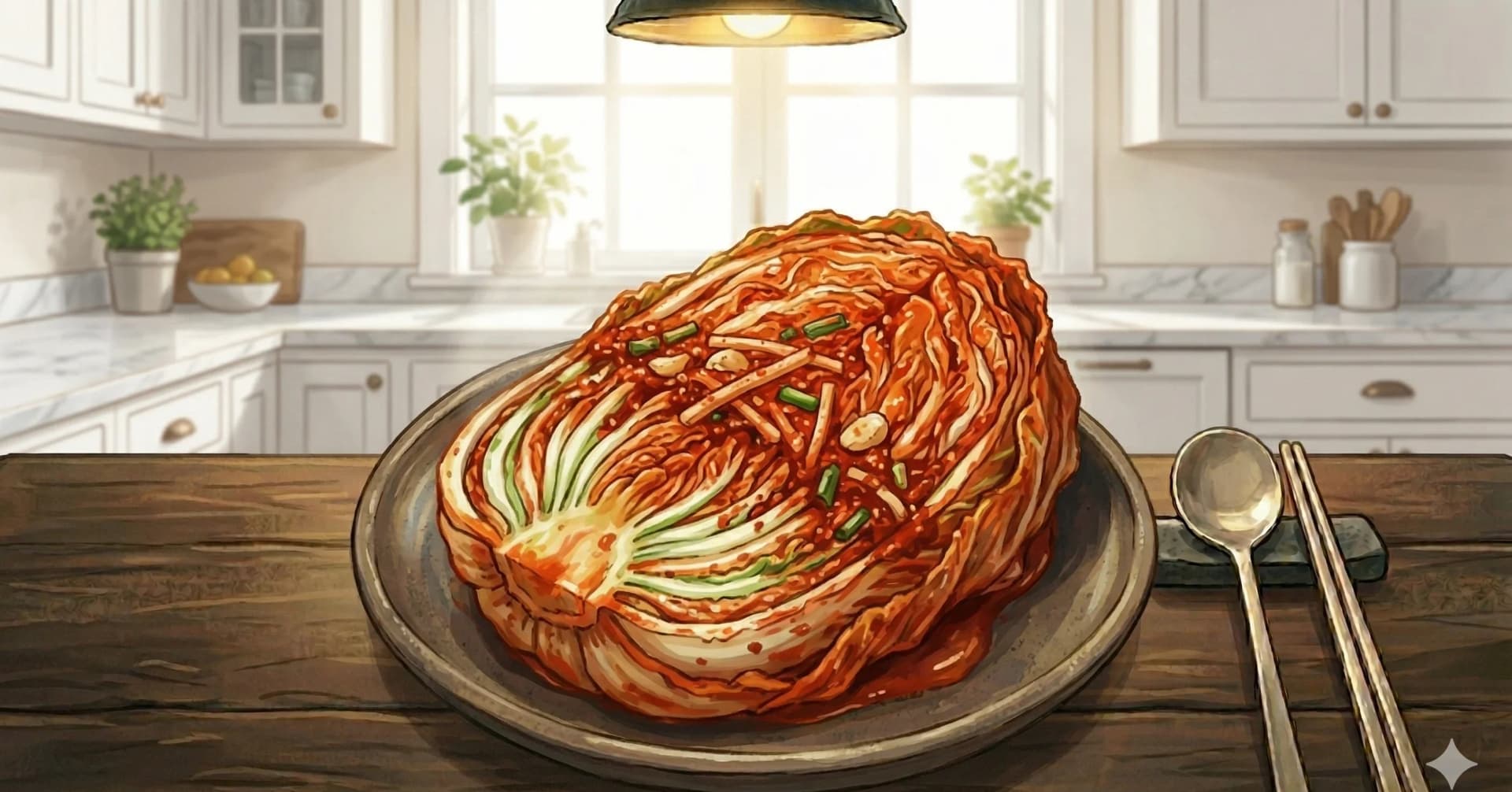
Napa Cabbage Kimchi (통배추김치)
8 hours plus 1-2 days fermentation
 Medium
Cross-Cultural · Korea
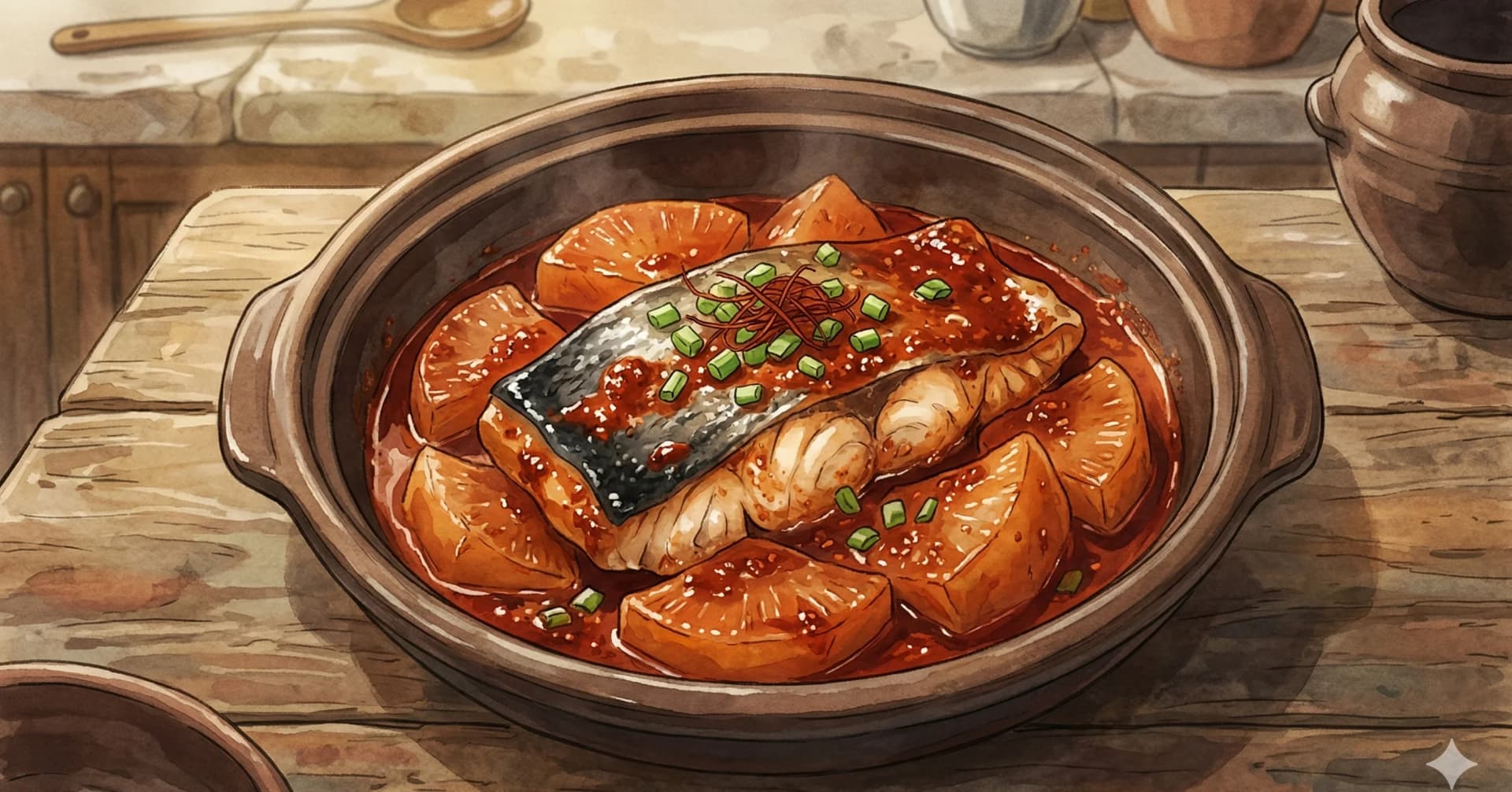
Braised Black Cod (Eundaegu-jorim / 은대구조림)
45 minutes
 Medium
Korean Cuisine
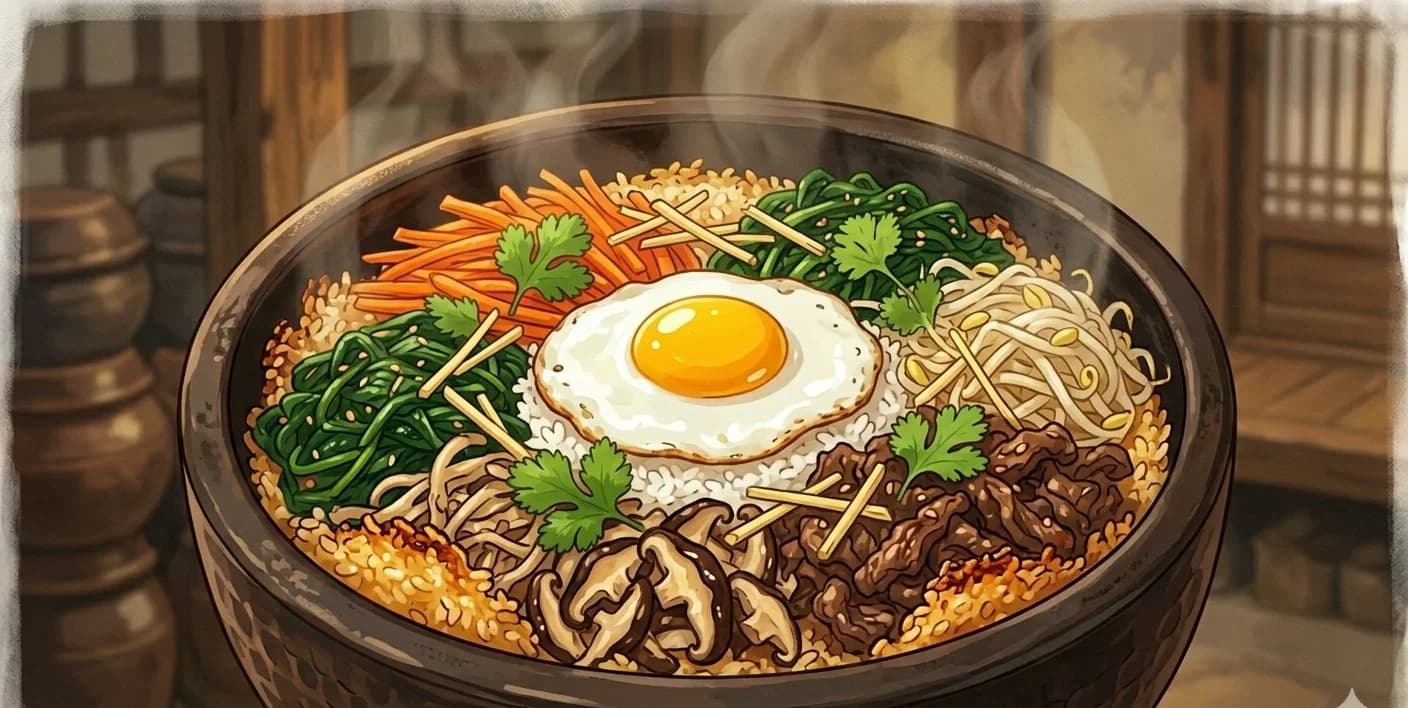
Bibimbap (Mixed Rice Bowl)
1 hour 10 minutes
 Medium
Korean Cuisine
Baek Kimchi (White Kimchi)
3 hours (plus 1 to 3 days fermentation)
Ratings & Comments
Ratings & Comments
Ratings
Share your thoughts on this recipe.
Sign in to rate and comment