Chinese Cuisine
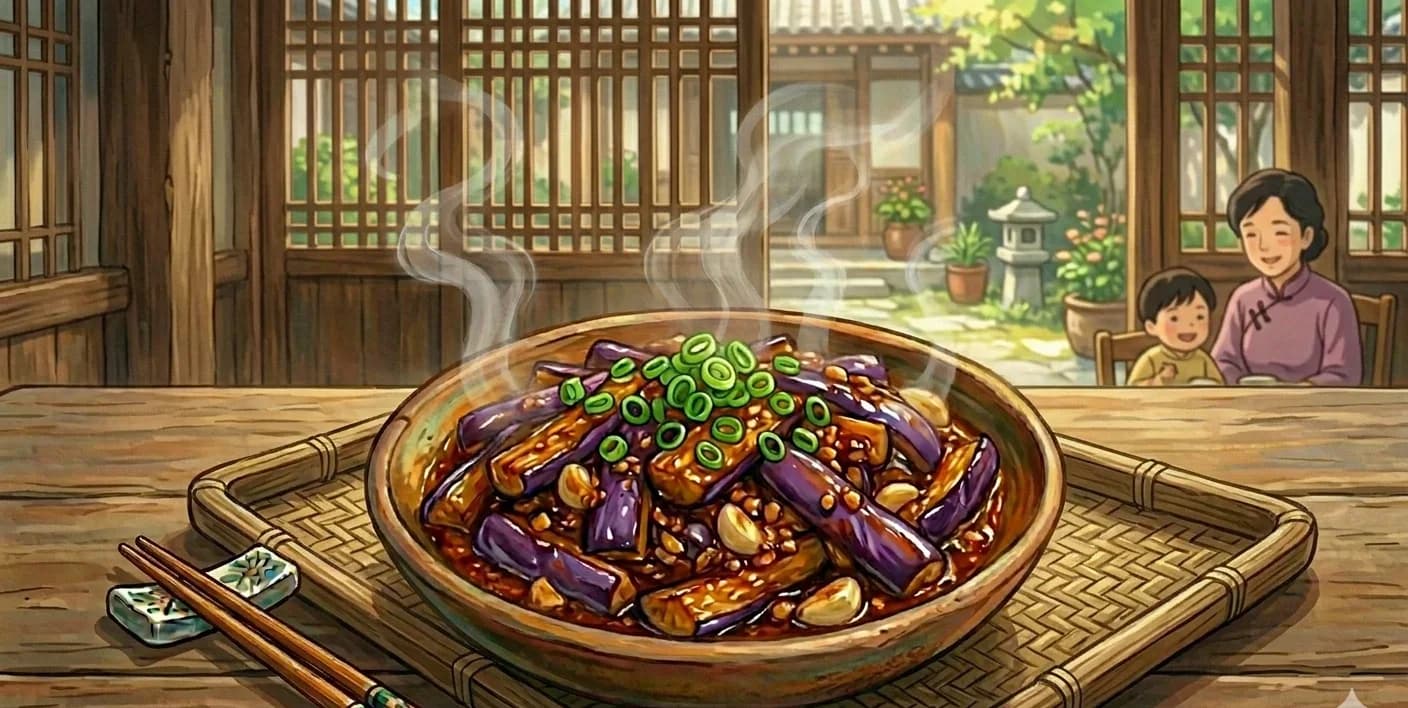
Yu Xiang Qie Zi (Fish-Fragrant Eggplant)
Silky braised eggplant in a tangy, sweet, and spicy Sichuan sauce that contains no fish at all
The name "fish-fragrant" confuses everyone the first time they encounter it. There is no fish in this dish, nor any seafood of any kind. The name refers to the sauce, a combination of flavors (garlic, ginger, scallion, pickled chili, vinegar, and sugar) that was originally developed for cooking fish in Sichuan province. Cooks discovered that the same sauce worked beautifully with other ingredients, and yu xiang became its own flavor category, applied to everything from pork to green beans to, most famously, eggplant.
The sauce is the soul of this dish, and it hits every note on the flavor spectrum. Doubanjiang brings fermented salty heat. Vinegar provides sharp acidity. Sugar rounds things out with sweetness. Garlic and ginger add pungent depth. The balance is distinctive: sweeter and more vinegar-forward than most Sichuan dishes, with a complexity that keeps you tasting and re-tasting each bite.
The eggplant is the ideal canvas because it absorbs flavors like a sponge. Chinese eggplant, with its long, slender shape and thin skin, is the best choice. It cooks faster than globe eggplant, has fewer seeds, and its flesh turns silky rather than mushy. The key technique is to pan-fry the eggplant until the outside is golden and slightly charred while the inside turns creamy and soft. This caramelization adds a smoky sweetness that the sauce alone cannot provide.
Some versions deep-fry the eggplant, which produces excellent results but uses a lot of oil. This recipe takes the pan-fry route, using a light cornstarch coating to help the eggplant crisp up with much less fat. The result is eggplant that is crispy on the outside, tender within, and completely saturated with the tangy, sweet, spicy sauce.
At a Glance
Yield
3 to 4 servings
Prep
20 minutes
Cook
15 minutes
Total
35 minutes
Difficulty
Easy
Ingredients
- ½ lbChinese eggplant (about 2 small) (about 1 eggplant), cut into bite-sized pieces
- 1 tspsalt
- 3 tspcornstarch
- ½ fl ozlight soy sauce
- ½ tspdark soy sauce
- ¾ fl ozChinkiang (black) vinegar
- 1⅞ tspsugar
- ½ fl ozwater
- 3 tspcornstarch
- 3 tbspvegetable oil, divided
- ½ ozdoubanjiang (spicy fermented bean paste)
- ½ tspchili flakes (optional, for more heat)
- 4 clovesgarlic, minced
- 2½ tbspfresh ginger, minced
- 2scallions, white and green parts separated, finely chopped
- ¼ tbspShaoxing wine
Method
- 1
Prepare the eggplant. Cut the eggplant into bite-sized pieces, roughly 1 1/2 inches long and 1/2 inch thick. Place in a large bowl, cover with water, and add the salt. Let soak for 15 minutes. This prevents browning and helps draw out some of the moisture. Drain thoroughly and pat dry with a clean towel. Sprinkle the cornstarch over the eggplant and toss by hand until each piece is lightly coated.
- 2
Mix the sauce. Combine the light soy sauce, dark soy sauce, vinegar, sugar, water, and cornstarch in a small bowl. Stir well and set aside.
- 3
Pan-fry the eggplant. Heat 2 tablespoons oil in a large nonstick skillet or wok over medium-high heat. Spread the eggplant in a single layer without overlapping. Cook without moving for about 2 minutes until the bottom is golden and slightly charred. Flip and cook each side until all surfaces are browned and the eggplant is tender when pierced with a chopstick, 8 to 10 minutes total. Transfer to a plate.
- 4
Cook the aromatics. Add the remaining 1 tablespoon oil to the wok. Reduce heat to medium. Add the doubanjiang and chili flakes (if using). Stir-fry for about 30 seconds until the oil turns red and the paste is fragrant. Add the garlic, ginger, and scallion whites. Stir-fry for another 30 seconds. Splash in the Shaoxing wine and let it sizzle for a moment.
- 5
Combine and finish. Return the eggplant to the wok. Give the sauce a final stir and pour it over the eggplant. Toss everything together as the sauce thickens and coats each piece, about 30 seconds. Scatter the scallion greens over the top and give one final toss.
- 6
Serve immediately as a main dish over steamed rice or as a side dish alongside other stir-fries.
Key Ingredient Benefits
Chinese eggplant: Longer and thinner than globe eggplant, with fewer seeds and a more delicate, less bitter flavor. The skin contains nasunin, an anthocyanin that gives it its purple color and has been studied for antioxidant properties in vitro. Eggplant is low in calories (about 25 per cup) and provides fiber, potassium, and manganese. See the Chinese Eggplant ingredient guide.
Doubanjiang: The fermented broad bean and chili paste that is considered the soul of Sichuan cuisine. Pixian doubanjiang, from the town of Pixian in Sichuan, is the benchmark. Some versions are aged for years, developing increasingly complex flavor. The fermentation produces beneficial enzymes. See the Doubanjiang ingredient guide.
Chinkiang vinegar: A dark, malty vinegar made from glutinous rice. Less sharp than Western vinegars, it has a complex, slightly smoky depth. It provides acidity without the aggressive bite of distilled vinegar. See the Black Vinegar ingredient guide.
Why This Works
The soaking step has a dual purpose. Submerging the eggplant in salted water prevents the cut surfaces from oxidizing and turning brown, and it also reduces the eggplant's capacity to absorb oil during frying. Eggplant is famously oil-hungry, and without this step, it can soak up several tablespoons of oil before it even begins to soften.
The cornstarch coating is borrowed from Omnivore's Cookbook's garlic sauce eggplant technique. It creates a thin, crispy shell around each piece that does two things: it limits further oil absorption, and it gives the surface something for the sauce to cling to. Without it, the sauce slides off the eggplant and pools at the bottom of the plate.
The yu xiang sauce must be mixed before cooking begins because it thickens in seconds once it hits the hot wok. The cornstarch in the sauce transforms the liquid into a glaze almost instantly. If you are fumbling with measuring spoons while the wok is screaming hot, you will miss the window.
Doubanjiang is the anchor ingredient. Its fermented, salty spiciness provides the bottom note that the vinegar and sugar play against. Without it, the sauce would taste like sweet-and-sour rather than yu xiang.
Substitutions & Variations
Eggplant variety: Globe eggplant can be used but should be salted more aggressively (cut into pieces, salt heavily, and let drain for 20 minutes) to draw out bitterness and excess moisture. Japanese eggplant is an excellent substitute with a very similar texture to Chinese eggplant.
With meat: Ground pork (about 4 oz) stir-fried before the aromatics is a common addition that makes the dish heartier. Cook the pork until browned, then push it to the side and proceed with the doubanjiang.
Vinegar: Rice vinegar is lighter and less complex but works in a pinch. Add a tiny splash of balsamic to approximate the depth of Chinkiang vinegar.
Vegan: This dish is naturally vegan if you use a doubanjiang that does not contain fish sauce or shrimp paste (most do not). Check the label to be sure.
Green beans: The yu xiang sauce works beautifully with dry-fried green beans. Cut them into 2-inch segments and fry in oil until blistered and wrinkled before tossing with the sauce.
Serving Suggestions
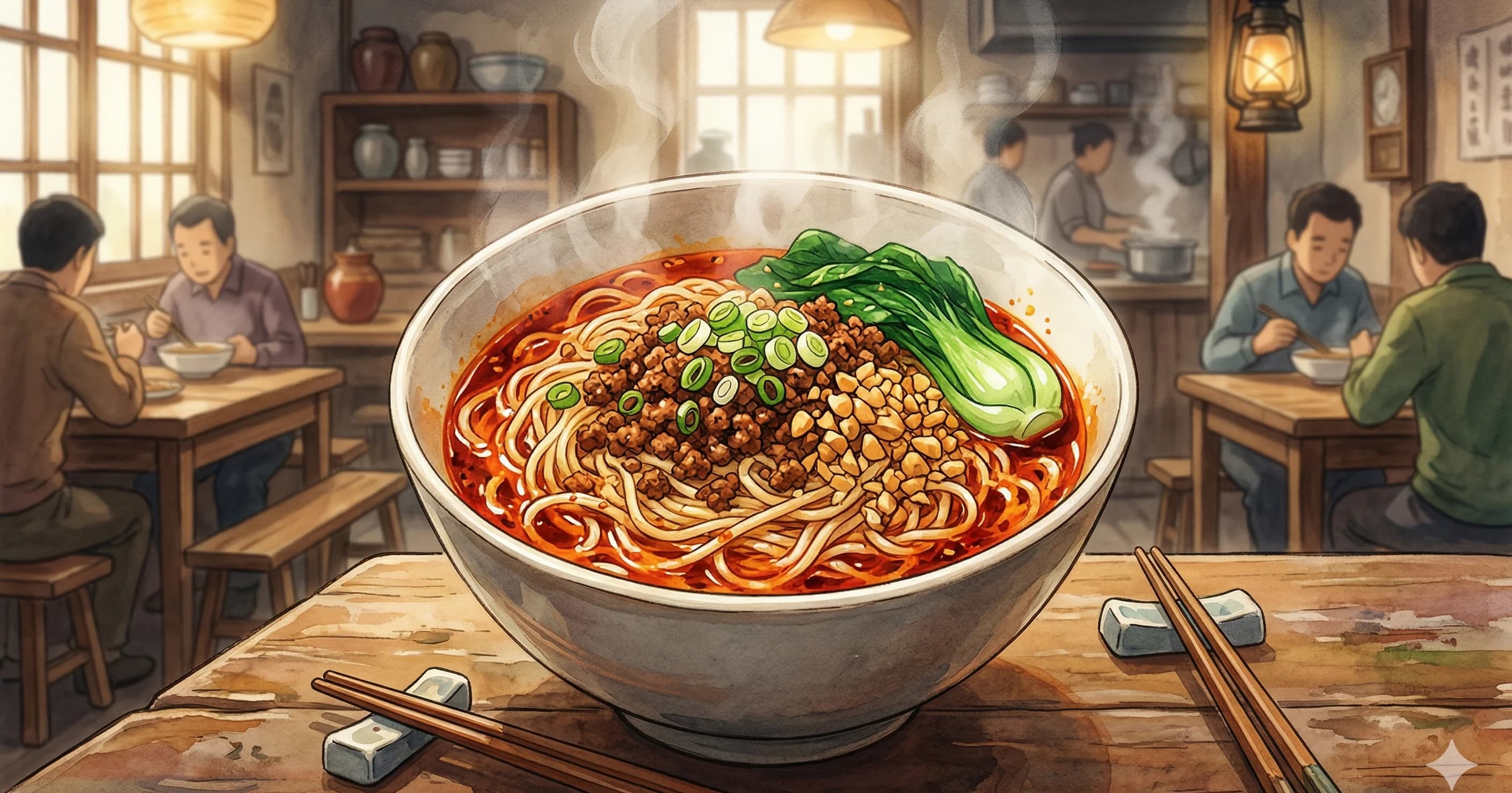
Yu xiang eggplant works as either a main dish over rice or as one of several dishes on a Chinese table. For a full Sichuan spread, pair with Gong Bao Ji Ding and Mapo Tofu. The eggplant's sweet-sour profile provides a welcome contrast to the numbing heat of the other two. For a simpler meal, serve alongside Congee and a fried egg. Dan Dan Noodles make a satisfying companion for a noodle-forward dinner.
Storage & Reheating
Refrigerator: Store in an airtight container for up to 3 days. The eggplant will continue to absorb sauce and soften, losing its crispy exterior but gaining deeper flavor.
Reheating: Reheat in a skillet over medium heat with a splash of water. The crispy texture will not return, but the flavor will be excellent.
Freezing: Freezes reasonably well for up to 1 month. The eggplant texture becomes softer but remains pleasant. Thaw in the refrigerator overnight before reheating.
Nutrition Facts
Calories: 108kcal (5%)|Total Carbohydrates: 13g (5%)|Protein: 2g (4%)|Total Fat: 6g (8%)|Saturated Fat: 0.8g (4%)|Cholesterol: 0mg (0%)|Sodium: 1003mg (44%)|Dietary Fiber: 2.8g (10%)|Total Sugars: 5g
You Might Also Like
Ratings & Comments
Ratings & Comments
Ratings
Share your thoughts on this recipe.
Sign in to rate and comment