Korean Cuisine
Kimchi Fried Rice (Kimchi Bokkeumbap / 김치볶음밥)
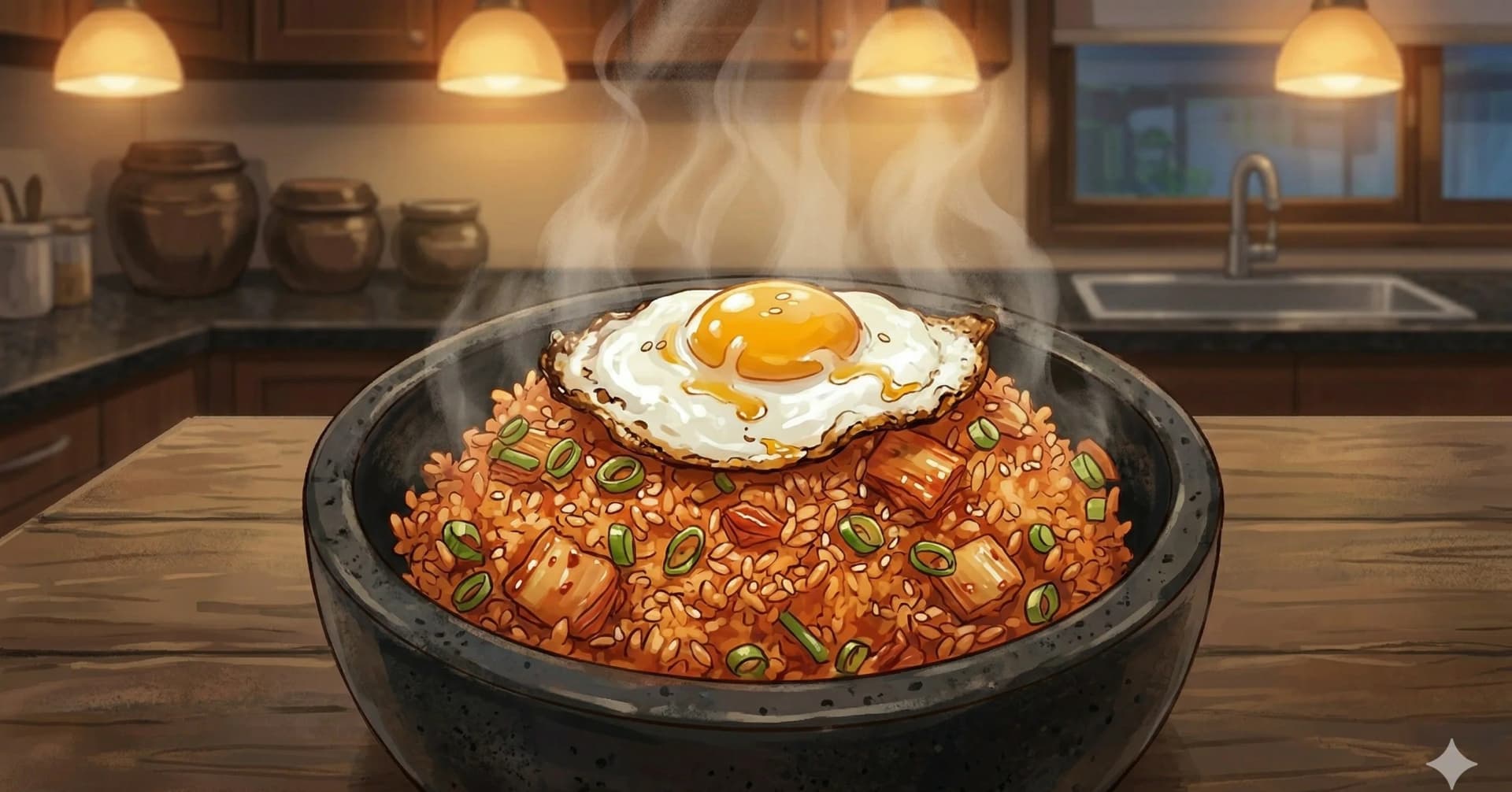
Fiery, tangy fried rice with well-fermented kimchi, sesame oil, and a runny fried egg on top
Kimchi bokkeumbap is the dish that every Korean learns to make first. It requires no skill, no special equipment, and no fresh ingredients — just leftover rice, old kimchi, and a hot pan. It is the meal you make at midnight when the fridge holds nothing promising. It is the meal that tastes better the lazier you are about sourcing ingredients, because the older and more sour the kimchi, the better it works.
The technique, such as it is, comes down to one principle: do not stir too much. You want the rice to sit against the hot pan long enough to develop a thin, golden crust on the bottom — slightly crispy, slightly caramelized, faintly smoky. This is the difference between good kimchi fried rice and great kimchi fried rice. If you stir constantly, you get soft, uniform rice. If you leave it alone and let the heat do its work, you get contrast: crispy bits against tender bits, charred edges against soft centers.
The fried egg on top is non-negotiable. It sits there like a crown, its yolk still runny, waiting to be broken so it spills gold across the red-orange rice below. The richness of the yolk rounds out the acidity of the kimchi and the heat of the gochugaru. Without the egg, kimchi fried rice is a side dish. With it, it is a meal.
J-Hope of BTS has named kimchi bokkeumbap as his favorite dish, which is not surprising — it is the dish that tastes like home to almost every Korean, regardless of where home is. It is not fancy. It does not try to impress. It just delivers exactly what you need, every single time.
The optional protein — spam, pork belly, or bacon — adds richness and salt. Spam is the most traditional choice, a legacy of post-war Korea when canned meat from American military bases became woven into the national cuisine. But the dish works beautifully without any meat at all.
At a Glance
Yield
2 servings
Prep
5 minutes
Cook
10 minutes
Total
15 minutes
Difficulty
Easy
Ingredients
- ¾ lbday-old cooked rice, about 2 cups
- 5½ ozwell-fermented napa cabbage kimchi, chopped
- 2 clovesgarlic, minced (about 1 tbsp)
- 2 tbspkimchi brine, from the jar
- 3½ ozspam, pork belly, or bacon, diced (optional)
- 1 tbspsesame oil
- 1 tbspvegetable oil
- 1 tbspgochugaru (Korean red pepper flakes)
- 1 tspsoy sauce
- 1/2 tbspgochujang (Korean chili paste)
- 1¼ tspsugar
- 2eggs
- 1scallion, sliced
- —toasted sesame seeds, for garnish
- —roasted seaweed (gim), for serving
Method
- 1
Render the protein. If using spam, pork belly, or bacon, heat the vegetable oil in a large skillet or wok over high heat. Add the diced protein and cook, stirring occasionally, until the edges are golden and the fat has rendered, about 3 minutes. If skipping the protein, just heat the vegetable oil.
- 2
Cook the kimchi and garlic. Add the chopped kimchi, minced garlic, and kimchi brine to the pan. Stir-fry over high heat for 2 to 3 minutes until the kimchi darkens in color, the garlic loses its raw bite, and the liquid has mostly evaporated. The kimchi should smell deeply savory and slightly caramelized.
- 3
Add the rice. Add the day-old rice to the pan, breaking up any clumps with your spatula. Add the gochugaru, gochujang, soy sauce, and sugar. Toss everything together until the rice is evenly coated and orange-red. Now stop stirring. Let the rice sit against the hot pan for 1 to 2 minutes to develop a slight crust on the bottom. Toss once, then let it sit again. Drizzle the sesame oil around the edges of the pan and toss one final time.
- 4
Fry the eggs. Push the rice to one side of the pan or use a separate small skillet. Fry the eggs in a little oil until the whites are set but the yolks are still runny.
- 5
Serve. Divide the rice between two bowls. Top each with a fried egg, sliced scallions, and a sprinkle of sesame seeds. Serve with torn pieces of roasted seaweed on the side.
Key Ingredient Benefits
Well-Fermented Kimchi. The older and more sour the kimchi, the better it performs in fried rice. Fermented kimchi is rich in Lactobacillus bacteria and other beneficial probiotics, as well as vitamins A, B, and C. The lactic acid developed during fermentation provides the tangy backbone of the dish.
Gochugaru. Korean red pepper flakes contribute a smoky, moderately spicy heat along with capsaicin, which has been studied for its anti-inflammatory and metabolic properties. Gochugaru has a fruity, sun-dried quality that is distinct from other chili flakes.
Sesame Oil. Added at the end of cooking to preserve its flavor, toasted sesame oil provides healthy unsaturated fats and a nutty, roasted aroma that is essential to Korean cuisine.
Eggs. The fried egg provides complete protein, B12, choline, and fat-soluble vitamins. The runny yolk acts as a built-in sauce, enriching every bite of rice it touches.
Why This Works
The success of kimchi fried rice hinges on two things: the quality of the kimchi and the restraint of the cook. Well-fermented kimchi — at least two to three weeks old, ideally more — has developed enough lactic acid to provide a complex, tangy sourness that fresh kimchi cannot match. The fermentation also breaks down the cabbage fibers, concentrating the flavor and giving the kimchi a softer texture that melds into the rice.
The kimchi brine is the secret weapon. It carries concentrated lactic acid, garlic, ginger, and fish sauce flavors directly into the rice, seasoning it far more effectively than the kimchi pieces alone. Do not skip it.
Day-old rice is essential because freshly cooked rice is too moist. The surface starch of day-old rice has retrograded — dried out and firmed up — which allows each grain to fry individually rather than clumping into a sticky mass. This is the same principle behind any good fried rice, Chinese or Korean.
The caramelization step — letting the rice sit undisturbed against the hot pan — triggers the Maillard reaction on the rice grains, creating nutty, toasty flavor compounds that add depth. This is the step most people skip, and it is the step that separates good from great.
Substitutions & Variations
Without meat. The dish is excellent without any protein beyond the egg. The kimchi and its brine provide more than enough flavor.
Spam. The most traditional protein choice. If unavailable, thick-cut bacon or diced pork belly are excellent alternatives.
Fresh kimchi. If your kimchi is still young and crunchy, add an extra splash of rice vinegar and a bit more gochugaru to compensate for the missing fermentation tang.
Without gochugaru. In a pinch, use 1 teaspoon of gochujang mixed into the rice. The flavor profile is slightly different — sweeter and more paste-like — but it works.
Brown rice or mixed grains. Day-old brown rice or Korean multigrain rice (japgokbap) both work well, though the texture will be chewier.
Serving Suggestions
Kimchi bokkeumbap is a complete meal on its own, but it responds well to extras. A bowl of kongnamul guk on the side adds a light, brothy counterpoint. Additional kimchi on the side is never wrong.
For a more substantial meal, serve alongside Korean fried chicken or a simple plate of japchae. Some people like to stir in a handful of mozzarella cheese at the end, letting it melt into the hot rice — untraditional but undeniably good.
Storage & Reheating
Kimchi fried rice is best eaten immediately, while the bottom still has its crust and the egg yolk is still runny. However, it reheats better than most fried rice because the kimchi keeps it moist.
Store leftovers in an airtight container in the refrigerator for up to 2 days. Reheat in a hot skillet with a small splash of sesame oil, pressing the rice flat against the pan to re-crisp the bottom. The microwave works in a pinch but you lose the textural contrast.
This dish does not freeze well — the rice texture suffers.
Cultural Notes
Kimchi bokkeumbap (김치볶음밥) is the Korean home cook's foundational improvisation. Take whatever rice you have left from last night. Take whatever kimchi has gone too sour to eat raw. Combine them in a hot pan with a little sesame oil and gochugaru. You have a complete meal in under fifteen minutes. The dish is so deeply embedded in everyday Korean kitchen practice that there is no real "official" recipe. Every family makes it slightly differently, and the variations are part of the dish's character.
The cultural logic of kimchi bokkeumbap rests on the Korean understanding of kimchi as a living, aging ingredient rather than a fixed product. Fresh kimchi is for direct eating. Week-old kimchi is for wrapping bossam. Month-old kimchi has soured into the sharper, more pungent territory perfect for stews and stir-fries like kimchi jjigae, kimchijeon, and this fried rice. The dish exists in part to give purpose to that older kimchi that nobody quite wants to eat raw anymore but that no Korean household would ever dream of throwing away.
The dish has been the subject of a long-running Korean conversation about the proper inclusion of Spam (스팸). Korean cooking absorbed processed canned American foods during and after the Korean War (1950-1953), and Spam became one of the most prized of those imports. It is considered a luxury gift item during the holidays and a status-signaling addition to home cooking. Many Korean households still include a few slices of fried Spam in their kimchi bokkeumbap. Others consider the addition a slight degradation of the pure-form classic.
The runny fried egg on top, by contrast, is universally accepted as essential. Breaking the yolk into the fried rice with the back of a spoon is the established ritual of the first bite.
Nutrition Facts
Calories: 512kcal (26%)|Total Carbohydrates: 56g (20%)|Protein: 18g (36%)|Total Fat: 22g (28%)|Saturated Fat: 5.8g (29%)|Cholesterol: 198mg (66%)|Sodium: 890mg (39%)|Dietary Fiber: 3.2g (11%)|Total Sugars: 4.5g
You Might Also Like
 Medium
Korean Cuisine
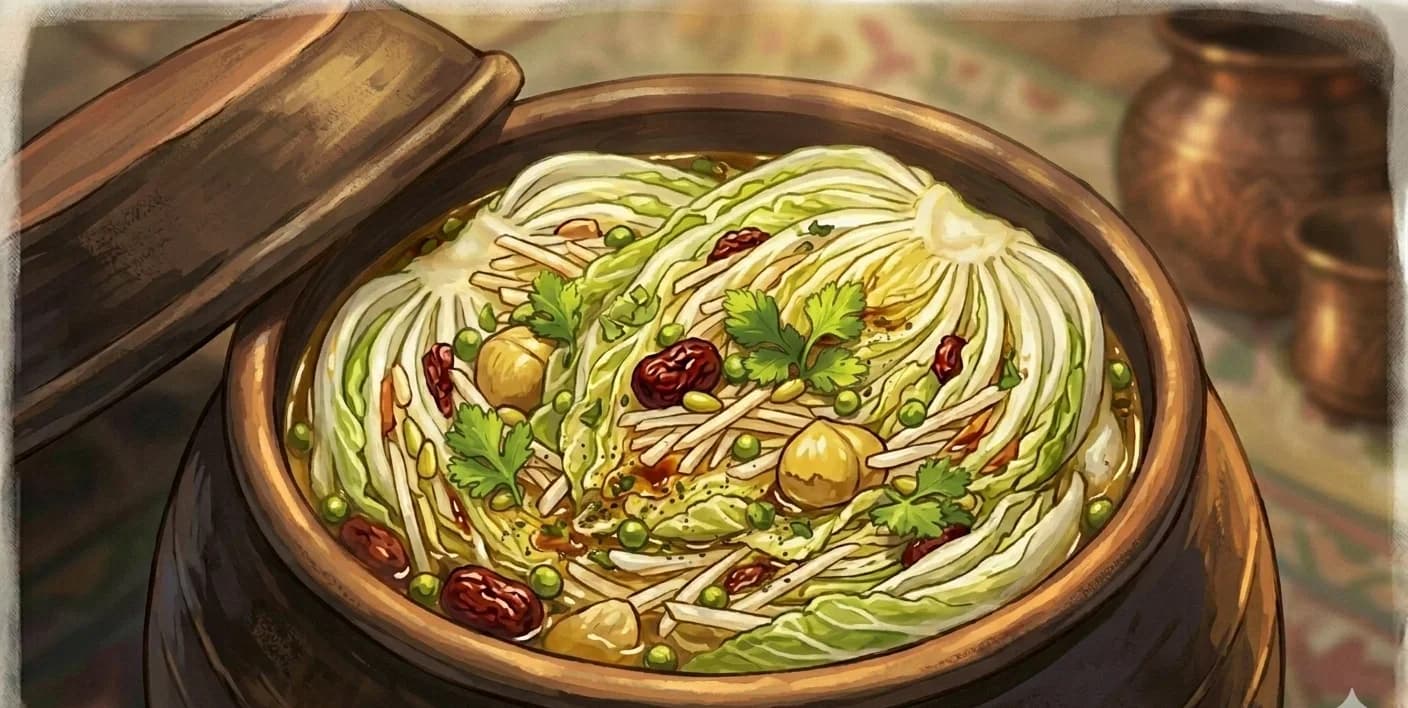
Baek Kimchi (White Kimchi)
3 hours (plus 1 to 3 days fermentation)
 Medium
Korean Cuisine
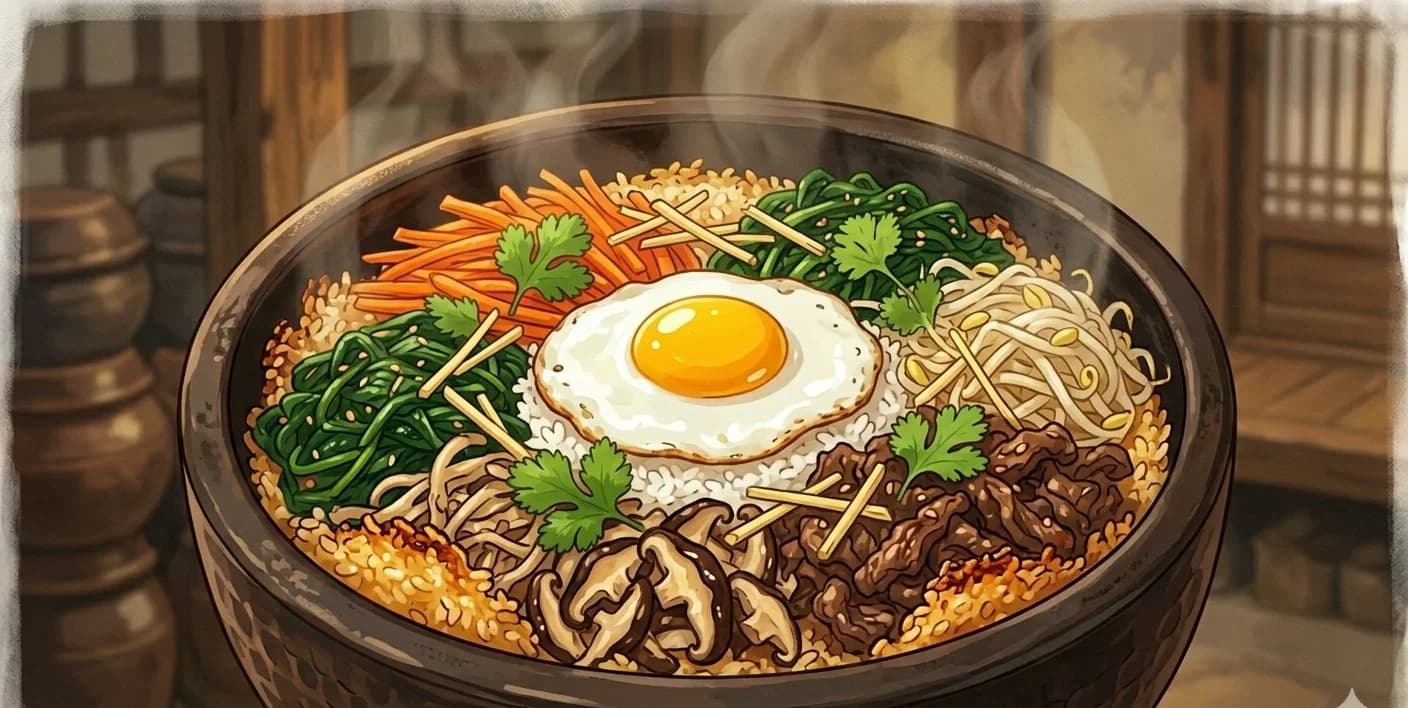
Bibimbap (Mixed Rice Bowl)
1 hour 10 minutes
 Easy
EasyTraditional Chinese Medicine · China
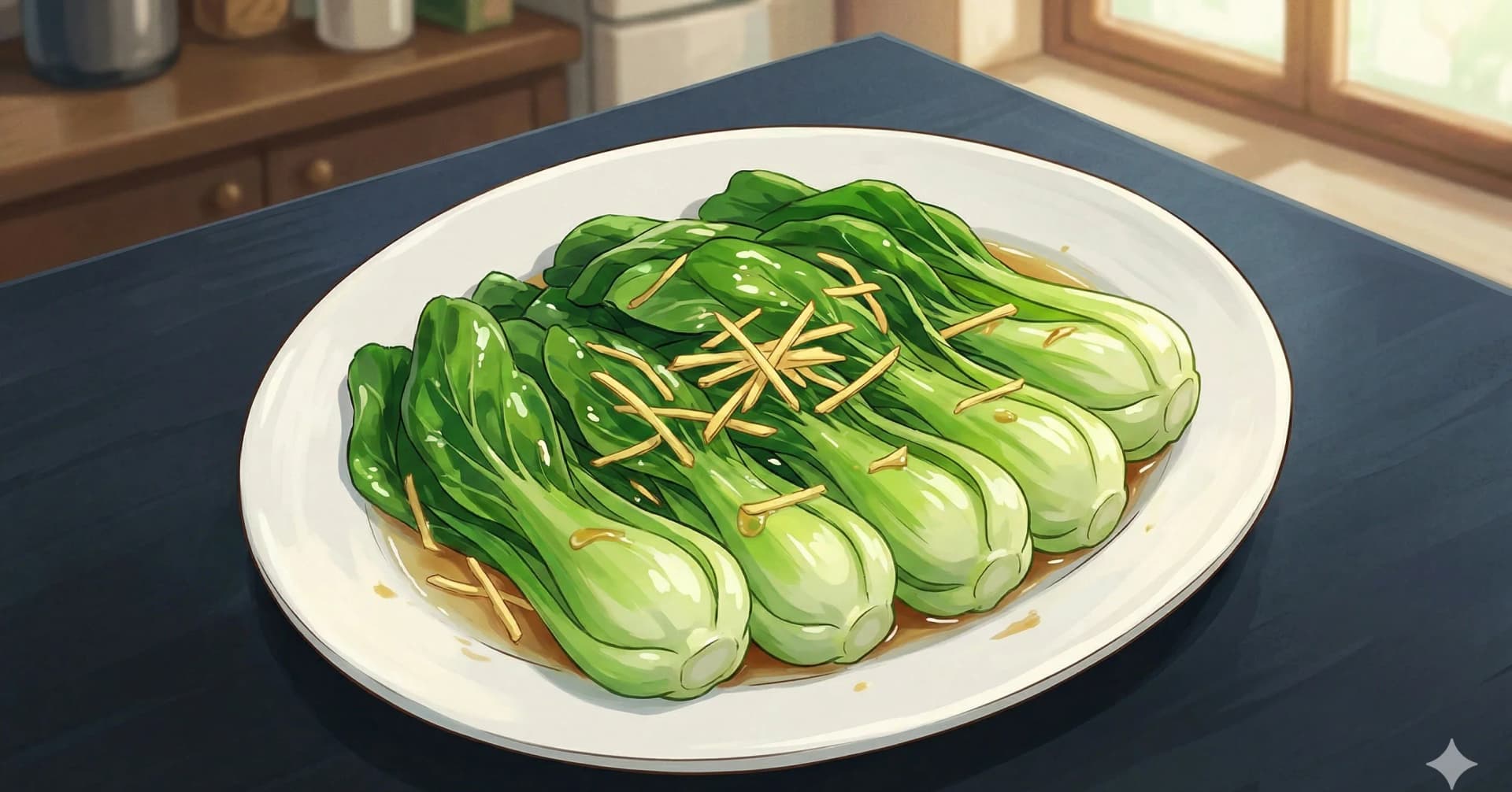
Bok Choy in Ginger Sauce (姜汁白菜)
6 minutes
 Medium
Cross-Cultural · Korea
Napa Cabbage Kimchi (통배추김치)
8 hours plus 1-2 days fermentation
Ratings & Comments
Ratings & Comments
Ratings
Share your thoughts on this recipe.
Sign in to rate and comment