Korean Cuisine
Bulgogi (Korean BBQ Beef)
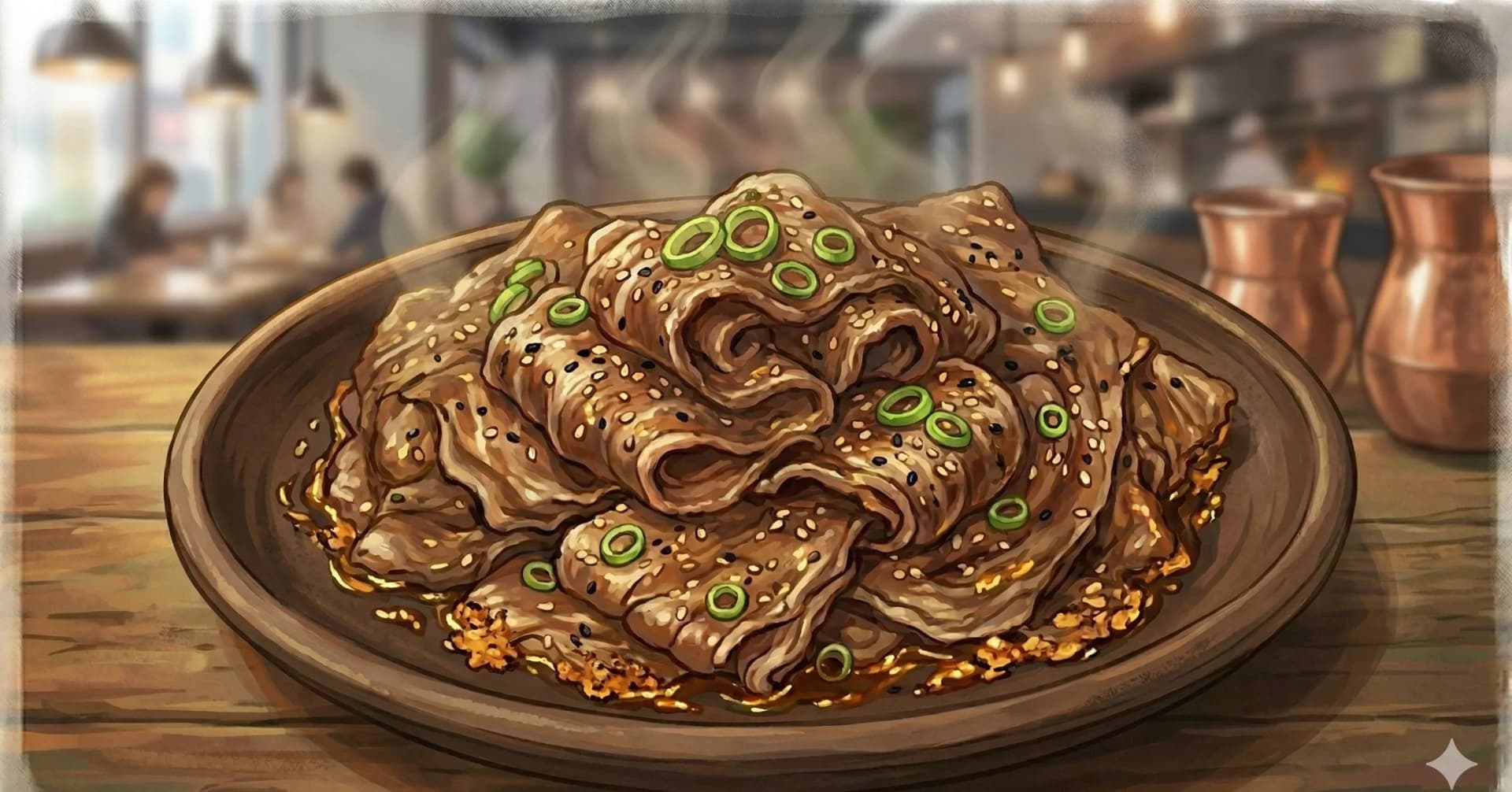
Thinly sliced beef marinated in a sweet soy and pear sauce, grilled or pan-fried until caramelized
The word bulgogi means "fire meat," and the name tells you almost everything you need to know. Thin slices of tender beef, soaked in a marinade that balances soy sauce, sugar, and the natural sweetness of Korean pear, meet high heat and transform into something deeply savory with edges that caramelize and curl. The scent alone, sesame and garlic mingling with charring meat, is enough to pull everyone toward the table.
Good bulgogi depends on three things working in harmony. First, the cut of beef. Tenderloin, rib eye, or top sirloin all work well. What matters is marbling and tenderness. Lean, tough cuts like brisket will not yield the same softness no matter how long you marinate them. Second, the marinade. Korean pear is traditional because it tenderizes the meat while adding a subtle fruity sweetness that sugar alone cannot replicate. If you cannot find Korean pear, a ripe Bosc pear or a sweet apple like Fuji will do. Third, the cooking method. Charcoal grilling produces the best results because the dripping juices vaporize on the coals and return to the meat as a light smoke. But a blazing hot cast iron skillet or grill pan produces beautiful results at home, especially if you cook in small batches and resist the urge to crowd the pan.
Bulgogi is a communal dish at its core. Set out a platter of lettuce leaves, some ssamjang dipping sauce, a bowl of steamed rice, and kkakdugi on the side. Wrap a piece of sizzling meat in a lettuce leaf with a slice of raw garlic and a dab of ssamjang, and eat it in one bite. That single mouthful, crisp and soft, sweet and salty, pungent and fresh, is bulgogi at its best.
At a Glance
Yield
4 servings
Prep
20 minutes (plus 1 hour marinating)
Cook
10 minutes
Total
1 hour 30 minutes
Difficulty
Easy
Ingredients
Beef Ingredients
- 2 lbthinly sliced beef (rib eye or top sirloin), cut 3 mm thick against the grain
- 3scallions, cut into 5 cm pieces
- 1small onion, thinly sliced
- 1small carrot, thinly sliced (optional)
Marinade Ingredients
- ½ cupKorean pear (or Bosc pear), peeled and grated or blended
- ¼ cuponion, pureed
- ⅓ cupsoy sauce
- 2¾ tbspbrown sugar (or 24 g sugar plus 20 g honey)
- 2 tbsprice wine (mirin)
- 3 tbspminced garlic (about 5 cloves)
- 2½ tspminced ginger
- 2 tbsptoasted sesame oil
- 2 tbsptoasted sesame seeds
- 1/8 tspground black pepper
To Serve
- —Lettuce leaves and perilla leaves
- —Ssamjang (Korean dipping sauce)
- —Steamed short-grain rice
- —Raw garlic cloves, sliced
Method
- 1
Prepare the marinade. Combine the grated pear, pureed onion, soy sauce, brown sugar, rice wine, garlic, ginger, sesame oil, sesame seeds, and black pepper in a large bowl. Stir until the sugar dissolves. The mixture should smell deeply fragrant, sweet and toasty from the sesame.
- 2
Marinate the beef. If using pre-sliced meat from a Korean market, separate the slices and pat off excess moisture with paper towels. Add the beef, sliced onion, scallions, and carrot to the marinade. Toss gently to coat every piece. Cover and refrigerate for at least 1 hour, or overnight for deeper flavor. If slicing beef at home, freeze it for about 1 hour until firm, then cut against the grain into 1/8-inch-thick slices.
- 3
Heat the cooking surface. Preheat a charcoal grill, gas grill, or cast iron skillet over medium-high to high heat. The surface should be very hot before any meat touches it. If using a skillet, add 1 tablespoon of cooking oil and let it shimmer.
- 4
Cook the bulgogi. For grilled bulgogi, arrange the meat in a single layer on the grate or grill pan and cook for 1 to 2 minutes per side, until the edges caramelize and turn golden brown. For pan-fried bulgogi, cook in small batches so the pan stays hot. Overcrowding the pan will steam the meat instead of searing it. The meat is thin, so it cooks quickly. When the edges turn deeply golden and the aroma fills the kitchen, the bulgogi is ready.
- 5
Serve immediately. Transfer to a warm platter and sprinkle with additional sesame seeds. Set out lettuce leaves, ssamjang, steamed rice, sliced garlic, and banchan. Each person wraps a piece of meat in a leaf, adds condiments, and eats the bundle in one bite.
Key Ingredient Benefits
Beef (rib eye or sirloin): Provides complete protein with all essential amino acids, along with heme iron, zinc, and vitamin B12. The marbling in rib eye renders during cooking, keeping the meat juicy and providing monounsaturated fats similar in composition to those found in olive oil.
Korean pear (Asian pear): Contains calpain, a proteolytic enzyme that gently tenderizes meat without turning it mushy. Research published in food science journals has documented its tenderizing effects on beef at room temperature. It also provides dietary fiber and vitamin C.
Sesame oil: Rich in sesamin and sesamolin, two lignans with antioxidant properties. In traditional Korean cooking, toasted sesame oil is used as a finishing oil because its flavor compounds are volatile and diminish with prolonged heating.
Garlic: Contains allicin when crushed or minced, a sulfur compound studied for its antimicrobial and cardiovascular effects. In Korean culinary tradition, raw garlic eaten alongside grilled meat is considered a digestive aid.
Why This Works
Korean pear contains enzymes that break down proteins, tenderizing the beef more effectively than acid-based marinades. The grated fruit also adds natural sugars that caramelize during cooking, contributing to the burnished color and sweet-savory flavor that defines bulgogi.
Soy sauce provides salt and umami, while the sesame oil contributes a nutty richness that coats each slice. Cooking over very high heat in small batches ensures the Maillard reaction occurs rapidly on the surface, creating a caramelized crust before the thin meat has a chance to overcook. The pureed onion in the marinade adds moisture and a sulfurous sweetness that deepens during cooking.
Substitutions & Variations
Beef cut: Rib eye gives the best flavor and tenderness. Top sirloin and beef tenderloin are also traditional. For a more economical option, flank steak can work if sliced very thin against the grain and marinated for at least 4 hours. See galbi for a short rib variation.
Korean pear: Bosc pear, Fuji apple, or red apple can substitute. Avoid kiwi or pineapple unless you use very small amounts and marinate for less than 30 minutes, as their enzymes are much stronger and can make the meat mushy.
Vegetarian version: Maangchi suggests marinating large dried shiitake mushrooms (soaked and sliced) and white mushrooms in the same marinade. They take on a meaty, savory quality when grilled.
Seoul-style bulgogi: Cook the marinated meat in a dome-shaped pan or large skillet with soaked potato starch noodles and enoki mushrooms. Add 2 cups of lightly seasoned dashima broth around the edges and let the drippings flavor the broth as the meat cooks.
Serving Suggestions
Bulgogi is traditionally served with steamed short-grain rice and an array of banchan (side dishes). Kkakdugi and oi muchim are classic companions. Lettuce wraps with ssamjang and raw garlic turn the meal into an interactive experience. A bowl of kongnamul-guk or doenjang-jjigae alongside the meat rounds out the table.
Leftover bulgogi is excellent in bibimbap, kimbap rolls, fried rice, or even stuffed into tacos with a quick kimchi salsa.
Storage & Reheating
Uncooked marinated beef: Keeps in the refrigerator for up to 4 days in an airtight container. Can be frozen for up to 1 month. Thaw overnight in the refrigerator before cooking.
Cooked bulgogi: Refrigerate in a sealed container for up to 3 days. Reheat in a hot skillet over high heat for 1 to 2 minutes to re-crisp the edges. Microwaving works for convenience but will not restore the caramelization.
Cultural Notes
Bulgogi (불고기) literally means "fire meat," from bul (불, fire) and gogi (고기, meat). The name belongs to an old lineage. The dish's direct ancestor is maekjeok (맥적), a grilled-meat preparation that dates back to the Goguryeo kingdom (37 BCE to 668 CE), when nomadic tribes on the Korean peninsula marinated game meat and grilled it skewered over open coals. The modern revival of maekjeok, made with pork and ssamjang, is a deliberate return to that older form.
The dish evolved over the centuries. By the Joseon dynasty (1392-1910) it had become neobiani (너비아니), a refined royal-court version using thin-sliced premium beef marinated in soy, sugar, and aromatics, eaten with chopsticks rather than skewers. Modern bulgogi, with its standardized soy-pear-sesame marinade and either tabletop grilling or pan-frying, took its present shape in the mid-20th century as beef became more widely affordable in post-war South Korea.
Today bulgogi is the most internationally recognized Korean dish after kimchi. Inside Korea it spans every register at once. A celebratory tabletop grill at restaurants like Hanam Pig House. A school lunch staple ladled over rice (bulgogi deopbap). A fast-food filling at Lotteria. A weeknight Costco rotisserie pickup. The dish absorbs almost any context you put it in.
Regional variants exist. Seoul-style bulgogi gets served on a domed metal pan with broth pooling around the edges. Gwangyang-style is grilled directly over coals without sauce. Together with galbi and dwaeji bulgogi, it forms the trio that defines Korean barbecue worldwide.
Nutrition Facts
Calories: 712kcal (36%)|Total Carbohydrates: 22.3g (8%)|Protein: 45.8g (92%)|Total Fat: 47.2g (61%)|Saturated Fat: 19.3g (97%)|Cholesterol: 158mg (53%)|Sodium: 1381mg (60%)|Dietary Fiber: 1.4g (5%)|Total Sugars: 15.4g
You Might Also Like
 Medium
Korean Cuisine
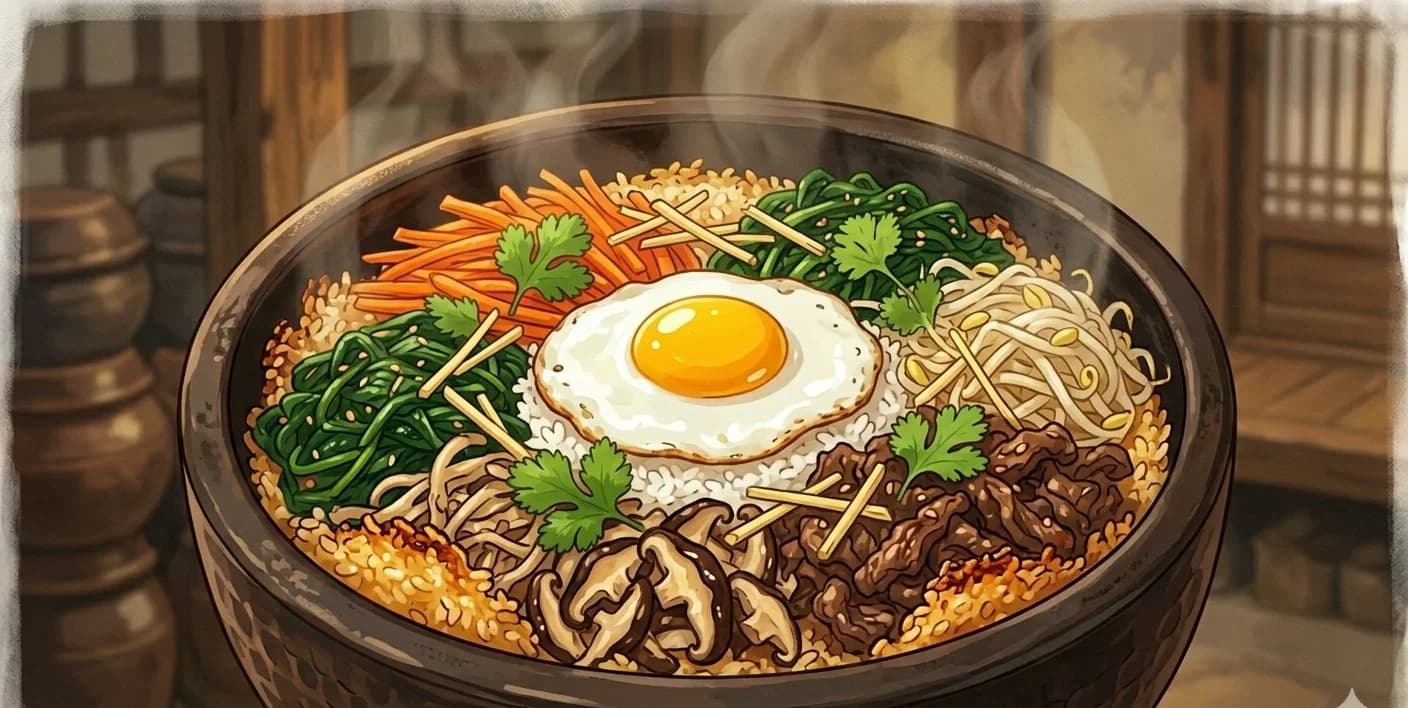
Bibimbap (Mixed Rice Bowl)
1 hour 10 minutes
 Easy
EasyVietnamese Cuisine
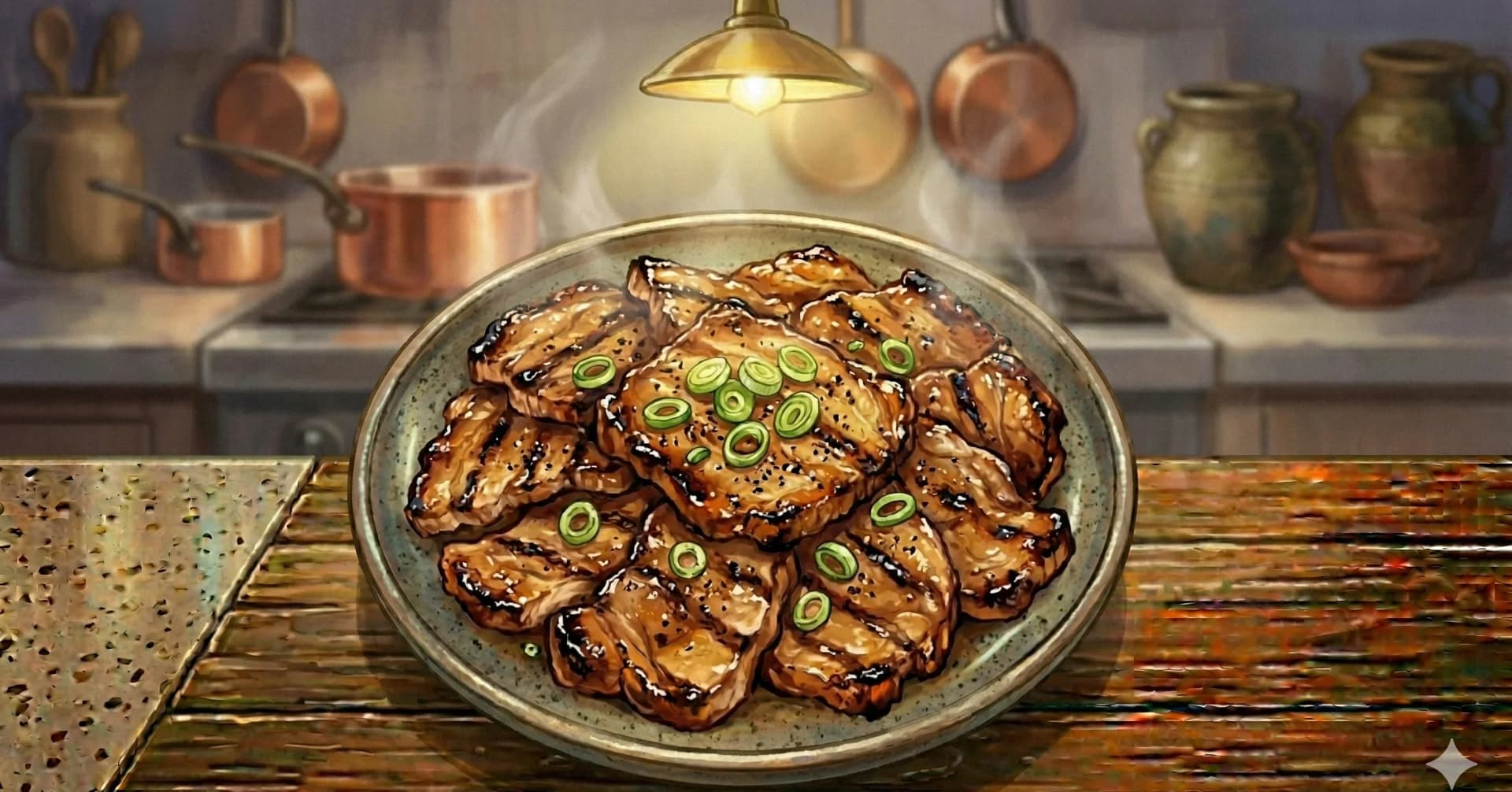
Grilled Lemongrass Pork (Thịt Nướng)
2 hours 30 minutes
 Medium
Chinese Cuisine
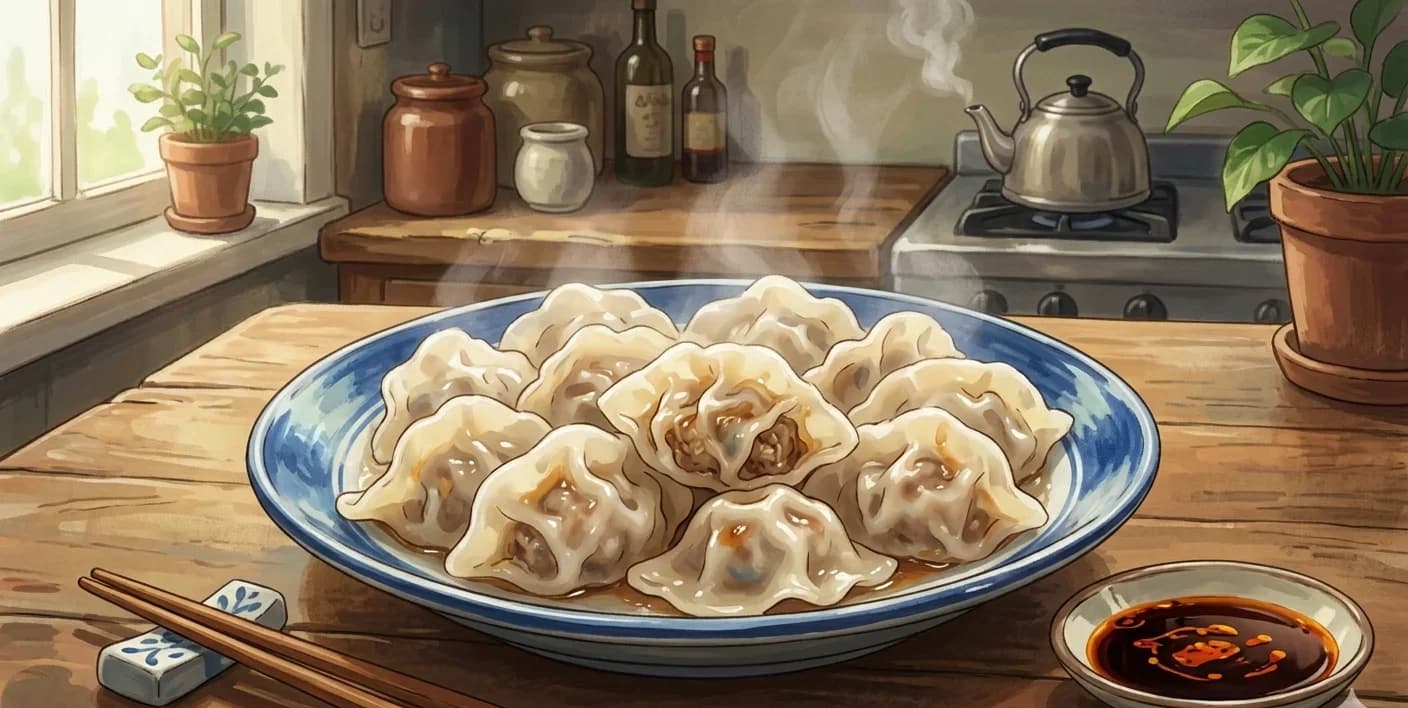
Niu Rou Yang Cong Jiaozi (Beef and Onion Dumplings)
60 minutes
 Medium
Korean Cuisine
Baek Kimchi (White Kimchi)
3 hours (plus 1 to 3 days fermentation)
Ratings & Comments
Ratings & Comments
Ratings
Share your thoughts on this recipe.
Sign in to rate and comment