Doubanjiang vs Gochujang: Not Interchangeable
Two tubs, both dark red, both fermented, both made of beans and chilli. Recipe sites swap one for the other routinely, usually with a line saying they are similar. They are not similar in any way that matters at the stove.
Doubanjiang is salty, savoury and only mildly hot. Gochujang is sweet before it is anything else. Swap them and the dish does not shift slightly. It goes somewhere else entirely.
What each one is made of
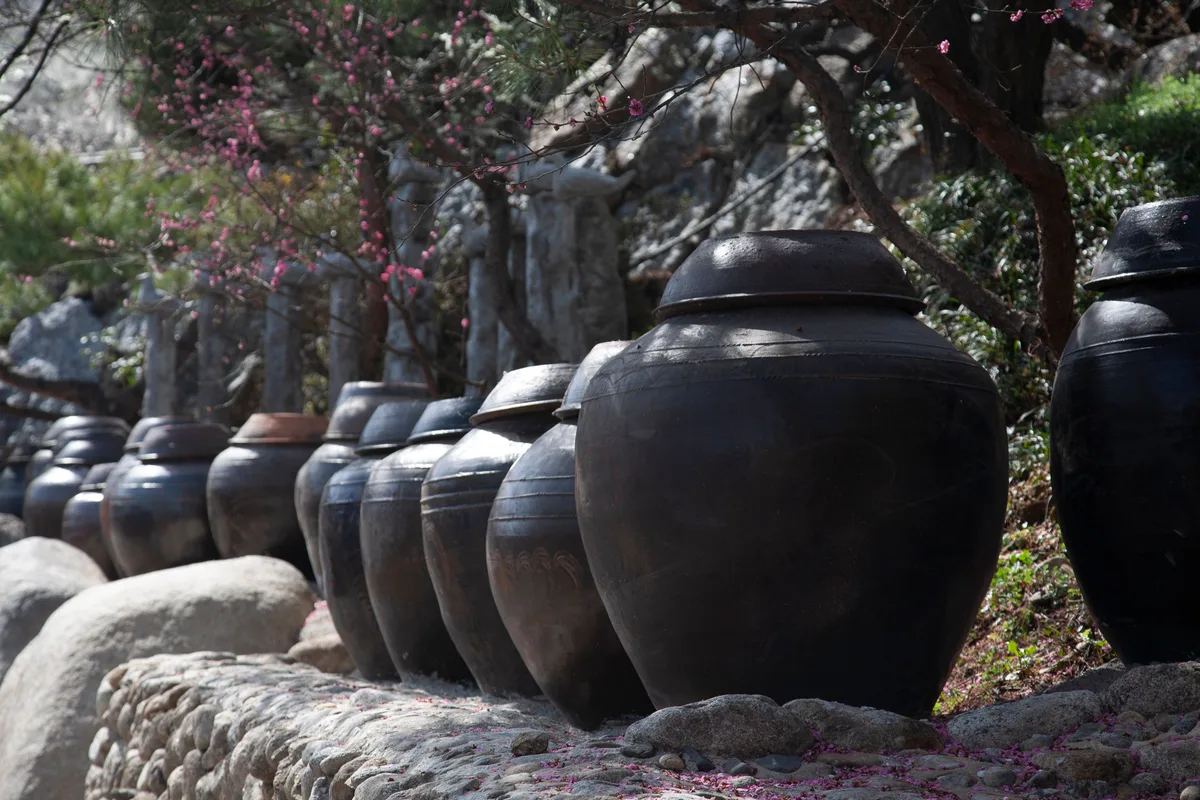
Doubanjiang is broad beans, also called fava beans, fermented with salt and chilli. No rice, no grain, and no sweetener at all. The best of it comes from Pixian in Sichuan, where it is aged in open jars for anything from one to eight years, turning from bright red to a deep brownish maroon as it goes.
Gochujang is glutinous rice, fermented soybean, Korean chilli powder and barley malt. The rice and the malt are the difference. Malted barley converts the rice starch into sugar during fermentation, which is where the sweetness comes from, and there is no equivalent step in doubanjiang at all.
So the comparison is not two chilli pastes. It is a salty savoury paste and a sweet savoury paste that happen to share a colour.
How they taste, in order
Taste doubanjiang off a spoon and the sequence is salt, deep funk, then a slow mild heat at the back. It is aggressive in the way an anchovy is aggressive. On its own it is close to unpleasant, and it is not meant to be eaten unmediated.
Gochujang goes sweet, then savoury, then a warm rounded heat. It is palatable straight off the spoon, which is why people wrongly treat it as a condiment.
Neither is actually very hot. Both are much milder than the colour suggests, and both are doing their real work as a savoury base rather than as a source of burn.
They are used at different points in the cooking
This is the practical difference and the one that ruins dishes.
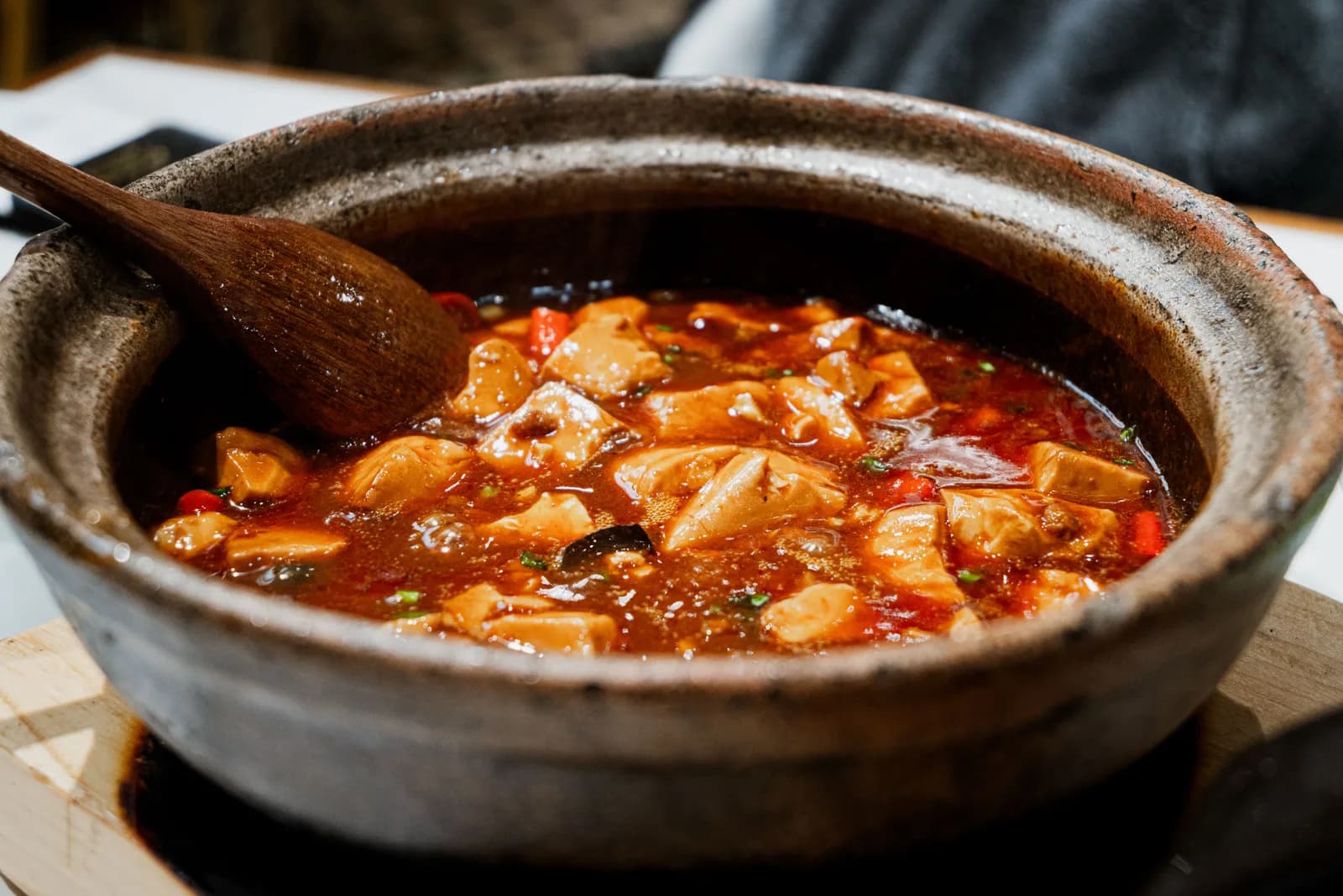
Doubanjiang must be fried. It goes into hot oil near the start, alone or with ginger and garlic, and it is cooked until the oil turns red and the smell changes from raw and sharp to deep and toasty. That red oil is the entire visual signature of Sichuan cooking, and it is why mapo tofu looks the way it does. Skip the frying and the dish tastes raw and harshly salty, and the colour never arrives.
Twice cooked pork and stir fried tofu with chilli bean paste work on exactly the same principle.
Gochujang is usually loosened rather than fried. It gets thinned with soy, vinegar, sesame oil, water or stock, and it goes in as a sauce, a marinade or a stew seasoning. It can be cooked down, as in dak galbi or tteokbokki, but because of the sugar it burns far more readily than doubanjiang, which is why those dishes are cooked with liquid rather than in dry hot oil.
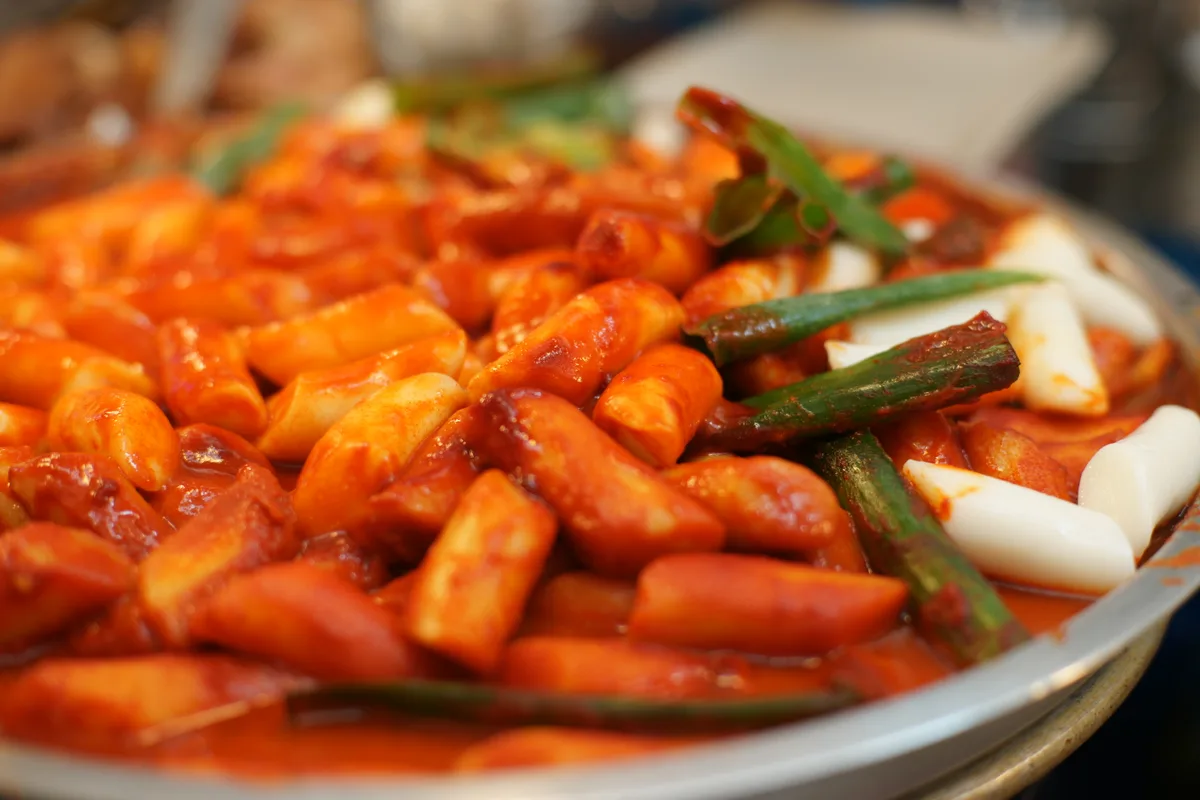
Fry gochujang the way you fry doubanjiang and you will scorch the sugar in under a minute.
The salt and sugar numbers matter
Doubanjiang is saltier. A recipe converted from one to the other needs its other seasoning adjusted, and this is the most common failure when people substitute.
If you must use gochujang where doubanjiang is called for, add salt or soy and cut any sugar in the recipe, and accept the dish will be sweeter and less complex. If you must go the other way, add sugar or honey and expect to lose the fruitiness. Neither swap is good, and both are better than nothing.
The relatives worth knowing
Doenjang is the Korean soybean paste with no chilli, and it is closer to doubanjiang in role than gochujang is, despite sharing a country with gochujang.
Sweet bean sauce, tianmianjiang, is a Chinese wheat-based paste that is sweet and dark, and it is what actually goes into jjajangmyeon and Peking duck pancakes. People reaching for something sweet and Chinese usually want this, not doubanjiang.
Fermented black beans, douchi, are whole salted soybeans rather than a paste, and they deliver a related funk in a different texture.
Frequently asked questions
Can I substitute gochujang for doubanjiang in mapo tofu?
It will be edible and it will not be mapo tofu. The dish will taste sweet, the numbing and savoury balance will be wrong, and the signature red oil will not develop properly. Pixian doubanjiang is worth ordering if you cook Sichuan food more than occasionally.
Which one is spicier?
Doubanjiang is usually slightly hotter, but both are mild. Sichuan heat in a finished dish comes mostly from added dried chillies and chilli oil rather than from the paste.
How long do they keep?
Both last a very long time refrigerated after opening, comfortably a year. Both darken with age. Doubanjiang genuinely improves; gochujang holds steady and then slowly flattens.
Is doubanjiang gluten free?
Often not. Many commercial versions include wheat flour, and tianmianjiang is wheat-based by definition. Read the label if it matters.
What to cook
Mapo tofu is the clearest lesson in frying doubanjiang, because you can watch the oil change colour and smell the moment it is ready. Tteokbokki is the opposite lesson, gochujang cooked in liquid so the sugar caramelises instead of burning. Cook both in a week and the two pastes will never look interchangeable again. For the shelves they each live on, see the Chinese pantry and what gochujang actually is.
Comments
Share your thoughts on this post.
Sign in to comment0 Comments