Cross-Cultural · Korea
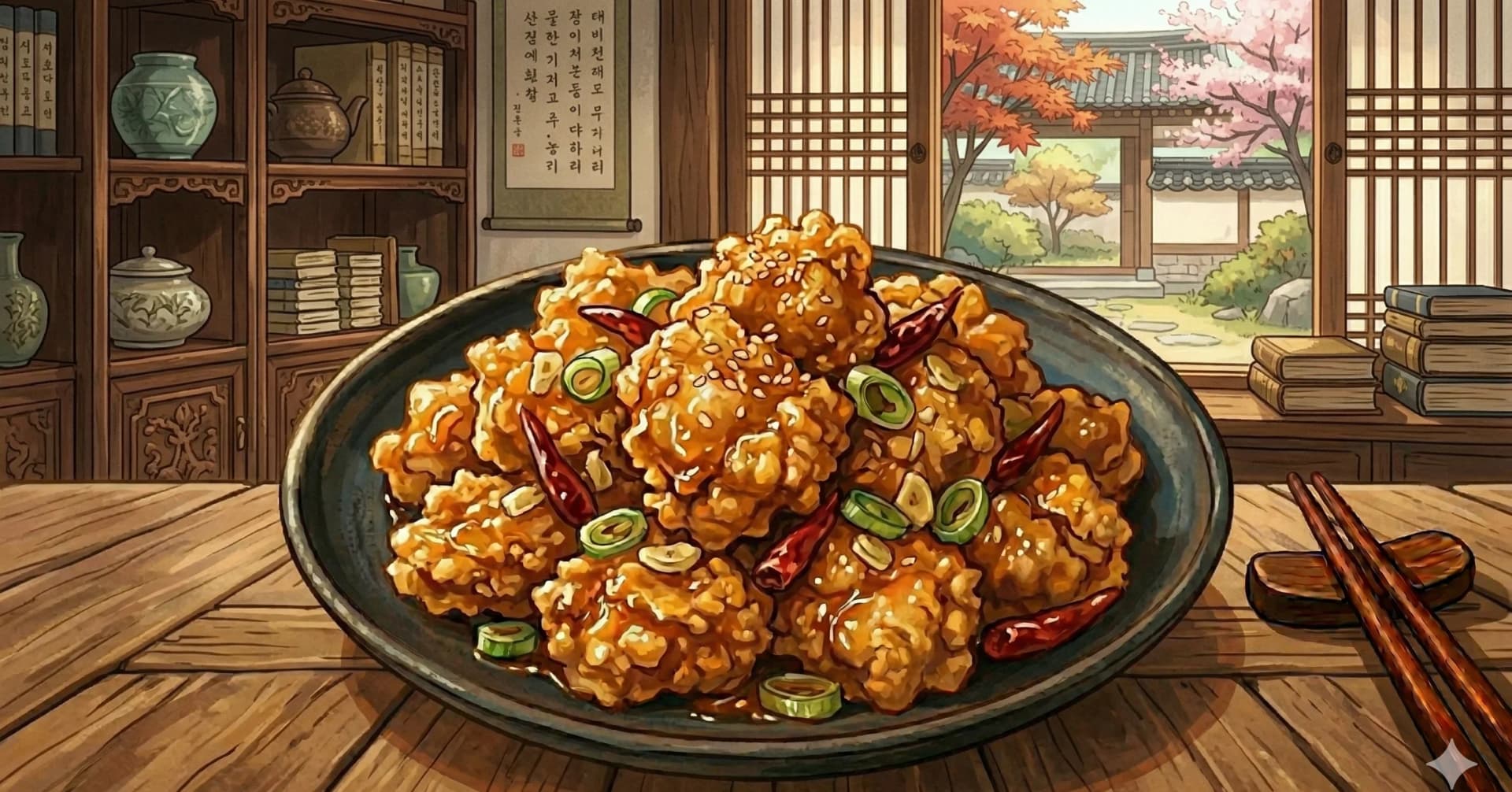
Sweet-Spicy Fried Chicken (Kkanpunggi / 깐풍기)
Double-fried crispy chicken tossed in a spicy garlic-leek oil with sweet and sour sauce, a Korean-Chinese classic
Kkanpunggi is a Korean-Chinese dish, part of the "Han-Jung" cuisine that developed in Chinese restaurants in Korea, adapted to Korean tastes. The name comes from Chinese: kkan means dry, pung means stir-fry, gi means chicken. The dish is chicken pieces coated in potato starch, double-fried until shatteringly crispy, then tossed in a spicy garlic-leek oil and a sweet-sour sauce that glazes each piece.
What sets kkanpunggi apart from other crispy chicken dishes is the garlic-leek oil. Sliced garlic and shredded leek are fried slowly in oil until golden and crispy, then removed. Gochugaru goes into the still-hot oil, infusing it with chili flavor. This flavored oil becomes the base for the final toss. The fried garlic and leek chips go back in at the very end, adding crunch and concentrated allium flavor.
The sweet-sour sauce is a quick mixture of soy sauce, water, rice syrup, vinegar, and a little potato starch. It thickens in the wok into a glossy glaze. The double-fried chicken, the crispy garlic and leek, the chili oil, and the glaze all come together in one final toss. The result is chicken that is crispy, spicy, garlicky, slightly sweet, slightly sour, and deeply satisfying. It is one of the most popular delivery foods in Korea.
At a Glance
Yield
2 to 3 servings
Prep
30 minutes
Cook
25 minutes
Total
55 minutes
Difficulty
Medium
Ingredients
Marinade Ingredients
- 1/2 lbchicken breast, cut into bite-sized pieces
- 1/2 tspfresh ginger, minced
- 1 tspsoy sauce
- 1/4 tspground black pepper
- 1egg white
- 1/2 cuppotato starch
Garlic-Leek Oil Ingredients
For Frying
- 1 cupcooking oil
Sauce Ingredients
- 1 tbspsoy sauce
- 2 tbspwater
- 2 tbsprice syrup or corn syrup
- 1 tbspwhite vinegar
- 1 tsppotato starch
- 1 tsptoasted sesame oil
Method
- 1
Marinate chicken with ginger, soy sauce, and pepper 10-20 min. Add egg white and potato starch, coat well.
- 2
Mix sauce: soy sauce, water, rice syrup, vinegar, potato starch.
- 3
Make garlic-leek oil: fry garlic and leek in 1/4 cup oil until golden and crispy. Remove. Add gochugaru to hot oil, stir. Strain oil, reserve.
- 4
First fry at 170°C (335°F) about 5 min until light golden. Drain.
- 5
Second fry 3-5 min until very crispy and deep golden.
- 6
Stir-fry onion, peppers in chili oil. Add sauce, stir until glossy. Add chicken, fried leek and garlic, sesame oil. Toss and serve.
Key Ingredient Benefits
Gochugaru (Korean red pepper flakes): The defining heat of Korean cooking. Made from sun-dried Korean chili peppers that are coarsely ground rather than powdered, gochugaru has a fruity, slightly smoky depth and a moderate heat that builds rather than burns. The slow drying preserves more capsanthin pigment than industrial drying, which is what gives it that vivid red color. Capsaicin, the compound responsible for the heat, has been studied for its potential metabolic and circulatory effects, though most culinary uses involve quantities too small to produce meaningful clinical impact.
Leek and garlic: Both belong to the allium family and contain organosulfur compounds (allicin in garlic, propyl thiosulfinate in leek) that release their characteristic aroma when the cells are crushed or sliced. Slow-frying mellows the sharp raw bite into something nutty and sweet. Observational studies have associated regular allium consumption with cardiovascular and metabolic benefits, though many of the active compounds are heat-sensitive and partially degrade during long cooking.
Potato starch: Almost pure amylopectin, the branched starch molecule that produces a lighter, crisper crust than the more linear amylose in cornstarch or wheat flour. When heated in oil, the granules absorb fat and steam-puff outward, creating the signature glassy, shattering crust that defines Korean fried chicken.
Why This Works
The signature texture of kkanpunggi comes from one decision: using potato starch instead of flour. Potato starch is nearly pure amylopectin, which crisps more aggressively in hot oil and stays crisp even after the sauce hits it. The egg white in the marinade acts as a binder, gluing the starch to the chicken so the coating does not slip off mid-fry.
The double-fry is what separates Korean fried chicken from American-style. The first fry, at a moderate 170°C, cooks the chicken through and sets a pale crust. The chicken rests for a minute while residual heat drives moisture out of the surface. The second fry pushes the Maillard reaction into deep golden territory and dehydrates the crust further, producing a shell that holds its crunch even under sauce. The same principle drives yangnyeom chicken and Japan's karaage.
The garlic-leek oil is the flavor backbone of the dish. Slow-frying garlic and leek in oil pulls their aromatics into the fat while turning the alliums into golden, crisp chips that get added back at the end. Adding gochugaru off the heat lets the chili bloom into the oil without scorching, which would turn the flakes acrid and bitter.
The sauce uses just enough potato starch to glaze the chicken without weighing it down. Rice syrup gives a clean sweetness and a glossy sheen that cane sugar cannot replicate, and the rice vinegar cuts the richness so the dish does not feel heavy.
Substitutions & Variations
Chicken: Boneless thighs are the most common substitute and arguably better for this dish, since the extra fat keeps the meat juicy through two rounds of frying. Increase frying time by about 30 seconds per round if using thighs. Bone-in pieces are not recommended; the longer cook time tends to over-brown the crust before the meat finishes.
Potato starch: Cornstarch is the closest substitute and works well, though the crust will be slightly less crisp and a touch more fragile. Tapioca starch produces a glassy, crackly crust but tends to soften faster under sauce. Wheat flour is not recommended, since the gluten produces a heavier, breading-like coating that misses the entire point of the dish.
Leek: The white and light green parts of large scallions are a direct swap. Yellow onion will work in a pinch but lacks the gentle, almost grassy sweetness of leek.
Rice syrup: Honey works well and adds a subtle floral note. Light corn syrup is the closest neutral substitute. Granulated sugar will work but you lose the glossy finish that the syrup provides.
Gochugaru: There is no perfect substitute for the smoky-fruity flavor of Korean chili flakes. A blend of sweet paprika and cayenne (about 3 parts paprika to 1 part cayenne) will approximate the color and heat. Ancho chili powder is closer in flavor profile but lighter on heat. For a sweeter, deeper variant, swap most of the gochugaru for gochujang and reduce the rice syrup slightly to compensate.
Serving Suggestions
Kkanpunggi is a dish meant for sharing. Serve it family-style on a wide platter with a bowl of steamed short-grain rice on the side and at least one cooling banchan to balance the heat. Pickled daikon radish (mu) is the classic pairing, its sweet acidity cutting straight through the rich, glazed chicken. A bowl of Soybean Sprout Soup makes the meal feel complete.
This is also one of the great beer dishes. Korean fried chicken and beer is so culturally entrenched it has its own portmanteau, chimaek (chi for chicken, maek for maekju, meaning beer). A crisp lager or pilsner is the canonical pairing. For something stronger, a chilled bottle of soju shared in small glasses keeps with tradition.
Storage & Reheating
Refrigerator: Store leftover chicken in an airtight container for up to 3 days. The crust will soften considerably as it sits, but the flavor actually deepens overnight as the sauce penetrates.
Reheating: Oven or air fryer is the only way to recover anything close to the original texture. Spread the chicken in a single layer on a rack-lined baking sheet and reheat at 200°C (400°F) for 6 to 8 minutes, or in an air fryer at the same temperature for 4 to 5 minutes. Avoid the microwave entirely; it turns the crust into something steamed and limp.
Make-ahead: The garlic-leek oil and the sauce can both be made up to 2 days in advance and refrigerated separately. The chicken itself is best fried and tossed just before serving. If you must hold the fried chicken for an hour or two, keep it uncovered on a rack in a warm (90°C / 200°F) oven so the crust stays crisp.
Freezing: Not recommended. The crust loses too much texture, and the sauce separates on thawing.
Cultural Notes
Kkanpunggi belongs to a uniquely Korean culinary tradition called Han-Jung (한중) cuisine, the Chinese-Korean food developed by the Chinese diaspora that settled in Korea in the late 1800s. Most of these immigrants came from Shandong province, and they opened restaurants in port cities like Incheon, where the country's original Chinatown still stands. Over generations, their cooking adapted to local ingredients and Korean palates, producing a hybrid cuisine distinct from anything you would eat in mainland China today.
The dish itself is a Koreanized adaptation of gan peng ji (干烹鸡), a Shandong-style fried chicken in a dry, fragrant sauce. The Chinese word gan (干, dry) became kkan in Korean, and the dish gained the sweet-sour glaze, gochugaru, and rice syrup that tilt it firmly into Korean territory. The original Shandong version is drier, less sweet, and leans more on Sichuan peppercorn for its bite.
Alongside jjajangmyeon (black bean noodles) and jjamppong (spicy seafood noodle soup), kkanpunggi is one of the foundational dishes of Korea's Chinese restaurants, where it has appeared on menus for nearly a century. It is also one of Korea's most popular delivery foods. The country's vast delivery infrastructure was, in many ways, built around the Chinese-Korean restaurant economy of the postwar decades.
Nutrition Facts
Calories: 358kcal (18%)|Total Carbohydrates: 24.8g (9%)|Protein: 25.4g (51%)|Total Fat: 17.8g (23%)|Saturated Fat: 2.4g (12%)|Cholesterol: 71mg (24%)|Sodium: 586mg (25%)|Dietary Fiber: 1.6g (6%)|Total Sugars: 7.2g
You Might Also Like
 Medium
Cross-Cultural · Korea
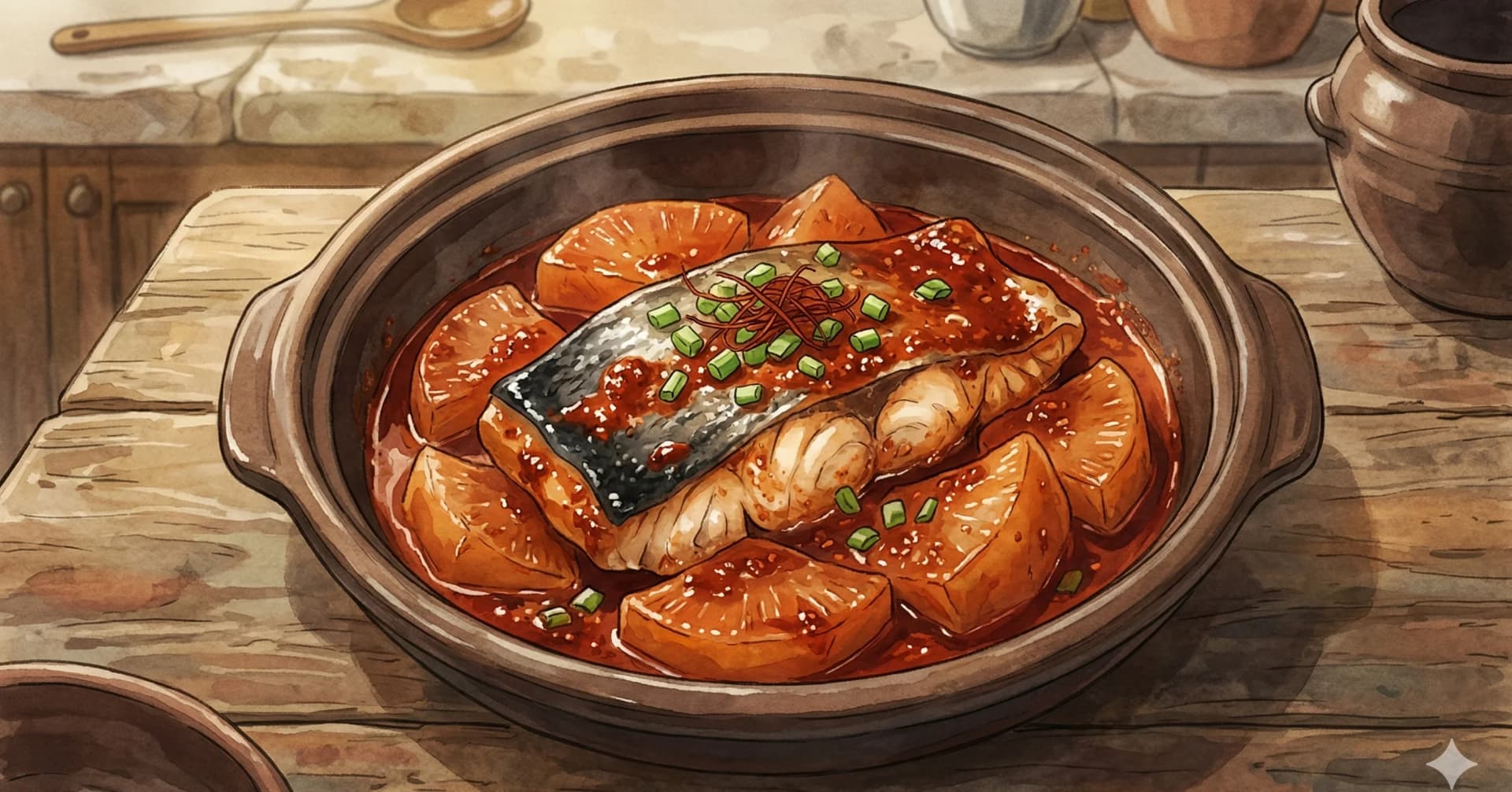
Braised Black Cod (Eundaegu-jorim / 은대구조림)
45 minutes
 Medium
Cross-Cultural · Korea
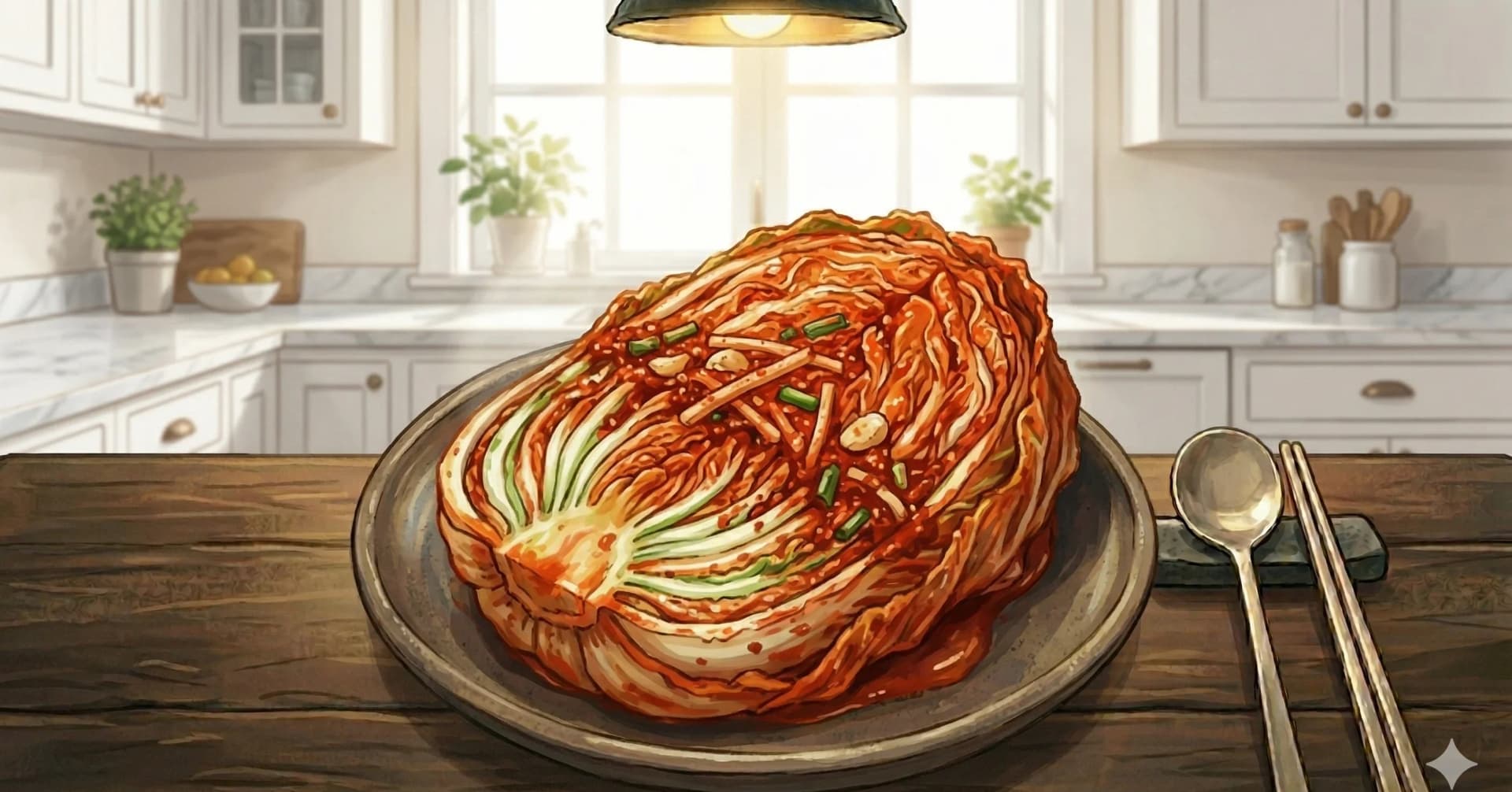
Napa Cabbage Kimchi (통배추김치)
8 hours plus 1-2 days fermentation
 Medium
Cross-Cultural · India
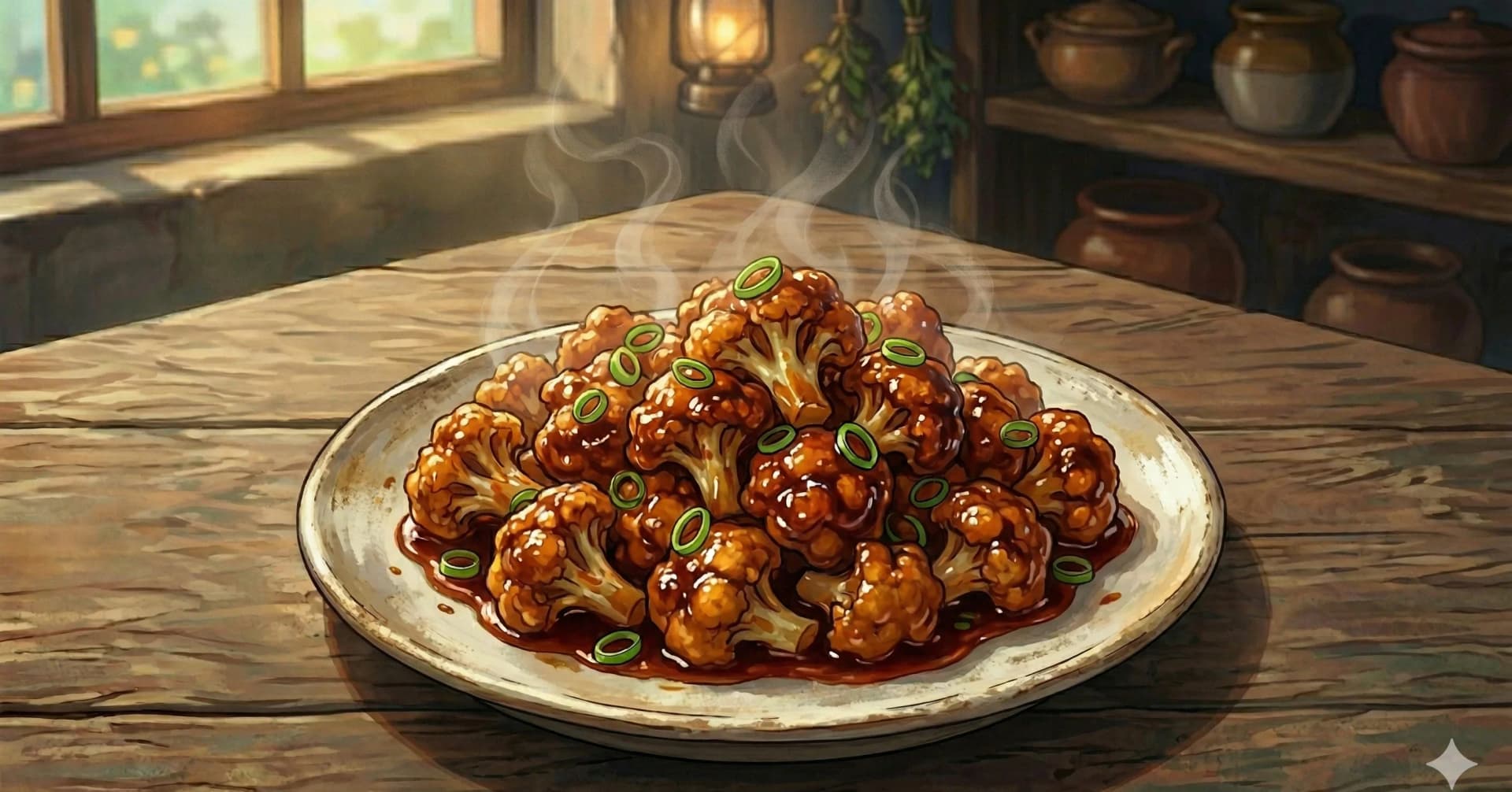
Gobi Manchurian
35 minutes
 Easy
EasyCross-Cultural · China
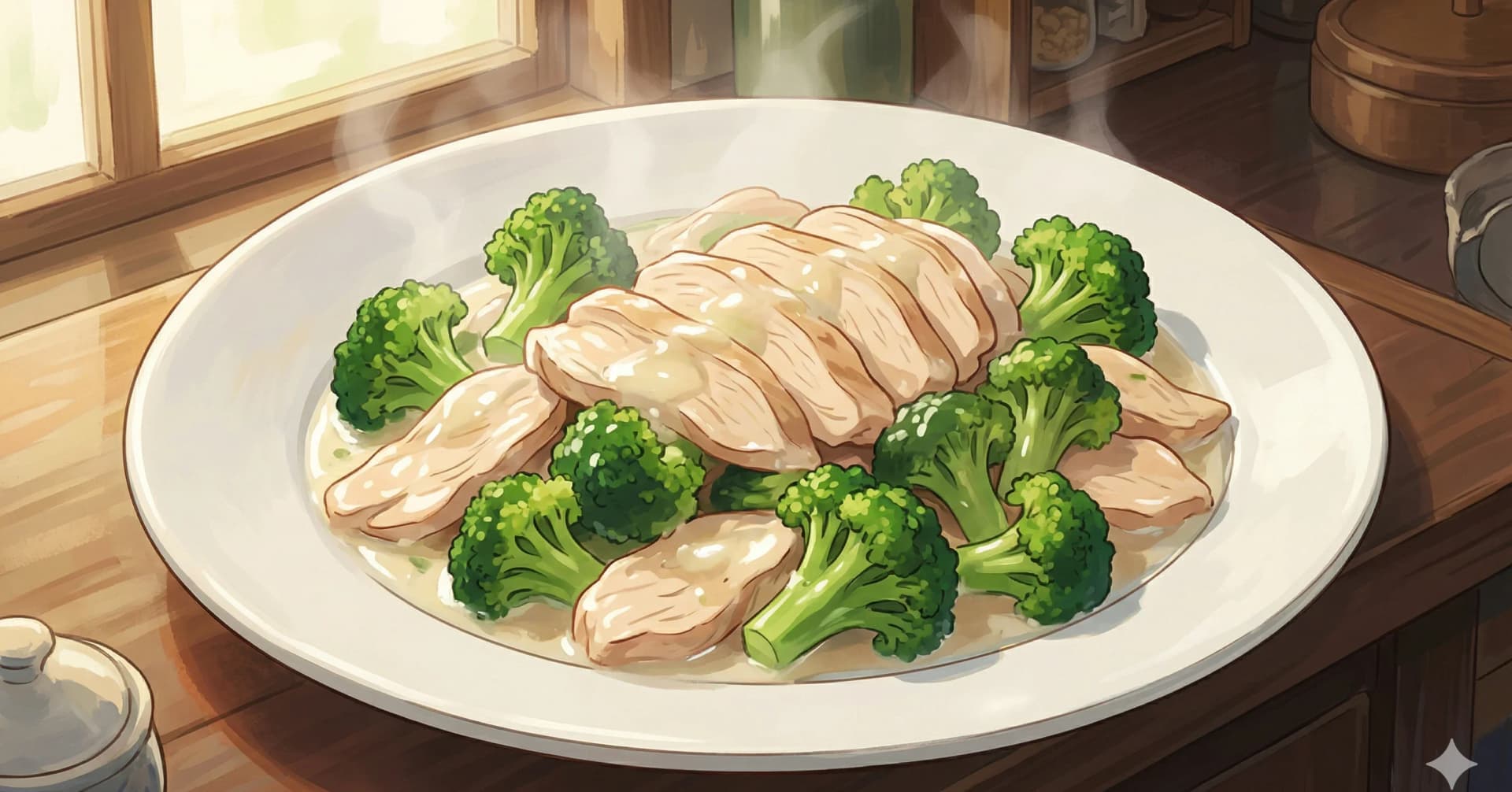
Chicken and Broccoli in White Sauce (白汁鸡花椰)
45 minutes
Ratings & Comments
Ratings & Comments
Ratings
Share your thoughts on this recipe.
Sign in to rate and comment