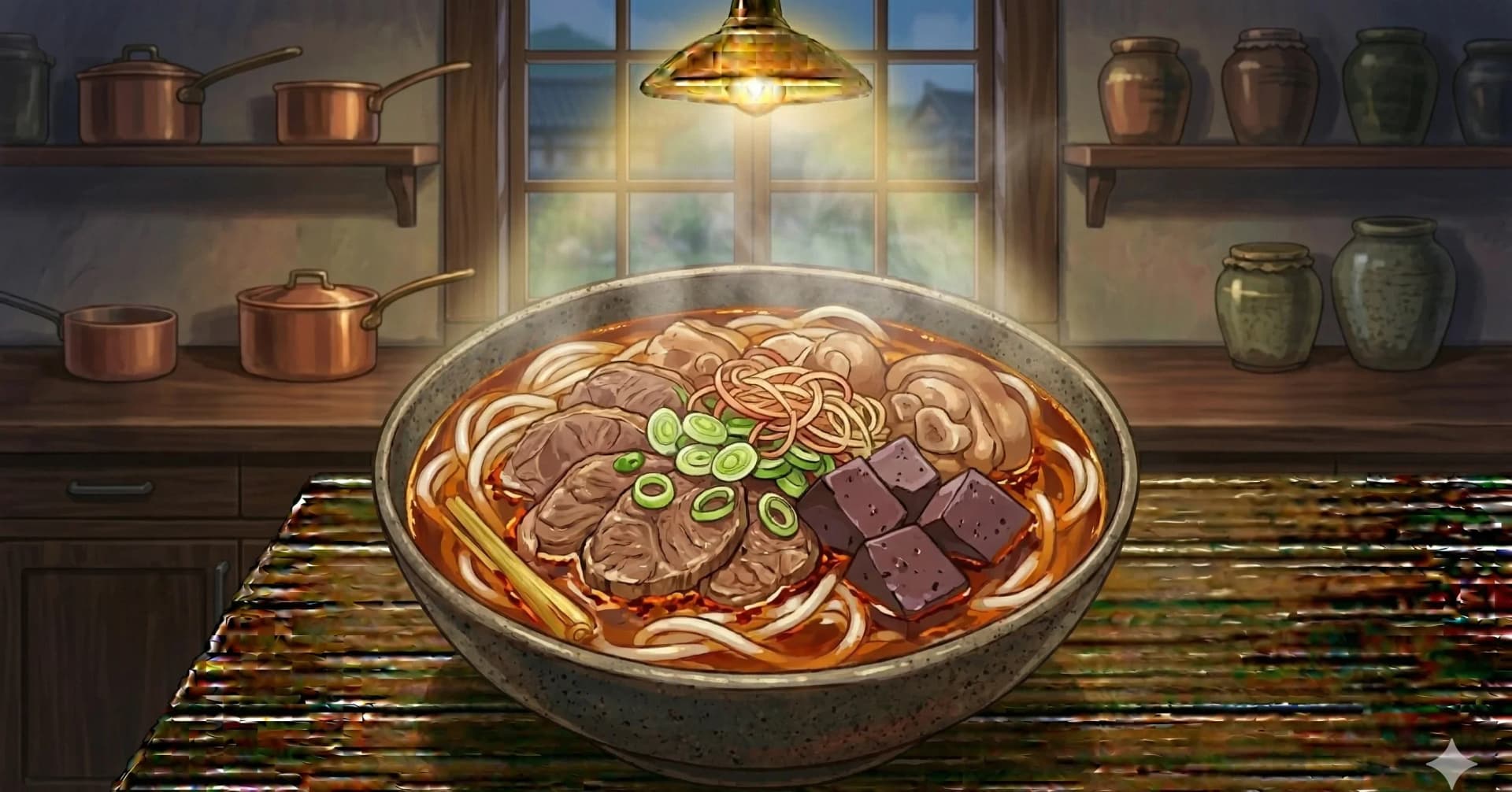
Vietnamese Cuisine
Spicy Beef Noodle Soup (Bún Bò Huế)
Central Vietnamese spicy beef and pork noodle soup with lemongrass, fermented shrimp paste, and sate chili oil
Most people who have tried Vietnamese noodle soup know pho bo. Fewer know its fiercer, more complex cousin from the old imperial capital of Hue. Where pho is clean and restrained, a careful exercise in clarity, bun bo hue is deliberately bold. The broth simmers for hours with both beef and pork bones, stained a deep amber-red from annatto oil and layered with lemongrass, fermented shrimp paste, and a homemade sate chili condiment that brings warmth from the first spoonful. This is Central Vietnamese cooking at its most direct.
Despite its name, which translates literally to "Hue beef noodles," bun bo hue is as much a pork dish as a beef one. The broth gains body from pork hocks and knuckles, richness from beef brisket, and an almost sticky depth from optional beef tendon. The noodles are thick, round rice vermicelli, slippery and satisfying in a way that flat pho noodles are not. The condiment platter brought alongside each bowl is not decorative. Shredded cabbage, banana blossom, bean sprouts, and fresh herbs are structural, providing the crunch and brightness needed to balance a broth this intense.
A tip borrowed from the Lunch Lady of Saigon, made famous by Anthony Bourdain: adding a piece of ripe pineapple to the stock during simmering. The fruit's acidity gently tenderizes the meat while contributing a subtle, almost imperceptible sweetness to the finished broth. It is a small addition that quietly lifts everything around it.
This recipe sits alongside other great Southeast Asian noodle soups, from the warming coconut richness of khao soi to the dark, aromatic depths of boat noodles. If you love the spice-forward complexity of tom yum goong or the tomato-laced acidity of bun rieu, this bowl belongs on your table.
At a Glance
Yield
6 servings
Prep
45 minutes
Cook
3 hours
Total
3 hours 45 minutes
Difficulty
Medium
Ingredients
Broth Ingredients
- 2 lbpork hocks or knuckles, cut into 2 to 3 cm pieces (ask your butcher)
- 1½ lbboneless pork shank
- 1½ lbbeef brisket or beef shank
- 8 ozbeef tendon (optional, requires longer cooking)
- 2 lboxtail, cut into segments (optional but recommended for broth richness)
- 6¼ qtwater
- 4large stalks lemongrass, trimmed, smashed, and halved
- 10shallots, peeled and left whole (or 1 large yellow onion, halved)
- ½ cupfresh ginger, unpeeled, sliced into coins and gently smashed
- 5½ ozripe pineapple with its core (or one small tin of pineapple in juice (about ½–1 apple), liquid included)
- 1 tbspfish sauce, plus more to taste
- 1 ozfermented shrimp paste (mam ruoc or mam tom)
- 1¼ tbsprock sugar
- 1 tbspsea salt
- ¼ ozchicken or mushroom bouillon powder
Chili Oil Ingredients
- ½ cupneutral oil (vegetable or rice bran)
- ½ ozannatto seeds
- 1large shallot (about 30 g), finely diced
- 3 clovesgarlic, finely diced
- 2 ozlemongrass (about 1 lemon), finely minced (tender parts only)
- ½ ozdried Thai chilies, soaked in warm water for 20 minutes and drained
- ¼ cupKorean chili powder (gochugaru) or Bun Bo Hue seasoning mix
- 2 tspfish sauce
- 1¼ tspgranulated sugar
- —Pinch of salt
To Serve
- 2 lbdried thick round rice vermicelli (labeled Bun Bo Hue noodles)
- 1 stickVietnamese ham (cha lua / gio lua), sliced into rounds
- —Pork blood cake, cut into 2 cm cubes (optional)
- 2green onions, thinly sliced
- —Small bunch of cilantro, roughly chopped
- 1lime, cut into wedges
- 5½ ozbean sprouts
- 3½ ozwhite or purple cabbage, thinly shredded
- 1banana blossom, thinly sliced and soaked in lemon water (optional)
- —Fresh mint leaves
- —Fresh Thai basil leaves
- —Water spinach (rau muong), shredded (optional)
Method
- 1
Place the pork hocks, pork shank, beef brisket, oxtail, and beef tendon (if using) into a large stockpot and cover with cold water. Bring to a rolling boil over high heat and let the impurities rise to the surface, about 5 to 7 minutes. The water will turn grey and foamy. Drain through a colander in the sink and rinse every piece of meat thoroughly under cold running water, removing any clinging scum. Rinse out the stockpot as well.
- 2
Return the cleaned meat and bones to the pot and add 6 litres of fresh water. Smash the lemongrass stalks with the back of a heavy knife until they split and release their fragrance, then cut them in half and tie the pieces together with kitchen twine for easy removal later. Add the lemongrass bundle, whole shallots, smashed ginger coins, and pineapple to the pot. Bring to a boil over high heat, then immediately reduce to a low, steady simmer. Cover the pot with the lid slightly ajar.
- 3
Skim the surface every 15 to 20 minutes during the first hour, removing any foam or fat that rises. A clear broth comes from patient skimming in the early stages. After the first hour, the broth will largely take care of itself.
- 4
Monitor the meat as it simmers, since different cuts finish at different times. After about 1 hour, test the pork hocks by piercing with a chopstick or skewer. When there is little resistance, they are done. Lift them out and set aside. The boneless pork shank and beef brisket typically need about 2 hours. Beef tendon and oxtail may need 2.5 to 3 hours to reach a soft, yielding texture. As each piece becomes tender, remove it from the pot and transfer to an ice bath or the refrigerator to cool quickly. Cold meat slices cleanly without shredding.
- 5
While the broth simmers, make the sate chili oil. Heat the neutral oil in a small saucepan over medium-low heat. Add the annatto seeds and let them steep, swirling occasionally, until the oil turns a deep amber-red, about 3 to 4 minutes. The seeds will sizzle gently but should not pop or blacken. Remove and discard the seeds with a slotted spoon. Add the diced shallot and minced lemongrass to the annatto oil. Fry gently, stirring often, until the shallot softens and turns translucent, about 2 minutes. Add the garlic, drained soaked chilies, and chili powder. Stir continuously for another 30 seconds, then remove from the heat immediately to prevent burning. Season with fish sauce, sugar, and salt. The mixture should look like a glistening, rust-colored paste suspended in fragrant oil. Transfer to a jar and set aside.
- 6
Once all the meat has been removed, fish out and discard the lemongrass bundle, shallots, ginger, and pineapple. If you want a particularly clean broth, strain it through a fine-mesh strainer into a second pot.
- 7
Season the broth. Dissolve the fermented shrimp paste in a small ladleful of hot broth, whisking until smooth and free of lumps, then pour it back into the pot. Add the fish sauce, rock sugar, sea salt, and bouillon powder. Stir until the sugar dissolves. Taste and adjust. The broth should taste savory and full-bodied with a gentle sweetness and a faint oceanic undertone from the shrimp paste. Add 2 to 3 tablespoons of the sate chili oil directly to the broth for color and warmth, reserving the rest for individual bowls.
- 8
Slice the cooled meat. Cut the pork shank and beef brisket across the grain into thin slices, about 3 mm thick. Separate the pork hock meat into bite-sized pieces, leaving some on the bone for presentation. Slice the beef tendon into thin rounds. If you tied the pork shank with twine before simmering, remove it now; the meat should hold its shape.
- 9
Cook the noodles. Bring a separate large pot of water to a vigorous boil. Add the dried bun bo hue noodles and cook for about 15 to 20 minutes, or until they are tender and pliable but still have a gentle chew. Package instructions often underestimate the time needed for this style of thick rice noodle. Drain and rinse thoroughly under cold running water to stop the cooking and wash away excess starch.
- 10
Assemble each bowl. Place a generous handful of noodles in a deep bowl. Arrange slices of pork shank, beef brisket, pork hock pieces, Vietnamese ham, and beef tendon on top. Add a few cubes of pork blood cake if using. Bring the broth back to a rolling boil and ladle it generously over the meat and noodles. Garnish with sliced green onions and cilantro. Serve immediately alongside the vegetable platter, lime wedges, remaining sate chili oil, and a small dish of extra fermented shrimp paste for anyone who wants to stir in more at the table.
Key Ingredient Benefits
Lemongrass: The essential aromatic of this dish. Lemongrass contains citral, geraniol, and myrcene, compounds with antimicrobial and anti-inflammatory properties studied in laboratory settings. In Vietnamese and Thai traditional medicine, lemongrass is steeped as a tea for digestive complaints and to bring down fever. The stalks must be bruised or smashed before simmering to release their oils.
Fermented shrimp paste (mam ruoc): A pungent, salty condiment made from tiny shrimp fermented with salt over weeks or months. The fermentation process breaks proteins down into amino acids, creating intense umami. It smells strong in its raw state but mellows considerably once dissolved into a simmering broth. Different brands vary widely in saltiness, so taste as you go.
Annatto seeds: The small red seeds of the achiote tree, used primarily for their natural pigment rather than flavor. The seeds contain bixin and norbixin, carotenoid compounds with antioxidant properties. In the context of this recipe, they provide the signature orange-red hue of the sate oil. The seeds themselves are not eaten and should be removed after steeping.
Pineapple in the stock: The bromelain enzyme in fresh pineapple gently breaks down protein fibers, aiding in tenderizing the meat during the long simmer. It also introduces a faint, rounded sweetness and a subtle acidity that balances the richness of the bone broth. This technique, popularized by the Lunch Lady street vendor in Ho Chi Minh City, works in the background without making the broth taste like fruit.
Beef tendon: Almost pure collagen, which converts to gelatin during the long simmer. This gelatin enriches the broth and gives sliced tendon its characteristic soft, bouncy texture. It is a good dietary source of glycine and proline, amino acids involved in connective tissue maintenance.
Why This Works
Parboiling and rinsing the bones before building the stock removes blood proteins and impurities that would otherwise cloud the broth and introduce off-flavors. Starting with clean bones and fresh cold water is the single most important step for a clear, sweet-tasting stock.
Using both beef and pork bones produces a broth with more complexity than either could provide alone. The beef contributes deep, mineral richness while the pork, especially the collagen-heavy hocks and knuckles, gives the broth a silky, lip-coating body. Adding oxtail, as Hungry Huy recommends, further intensifies this effect because of its exceptionally high gelatin content.
Lemongrass is the aromatic backbone of this soup, and the quantity is not a typo. Four large stalks simmered for hours give the broth its characteristic citrusy brightness, which prevents the rich pork and beef flavors from becoming heavy.
The annatto oil in the sate serves a dual purpose. It provides the vivid orange-red color that defines a proper bowl of bun bo hue, and it carries fat-soluble flavor compounds from the fried aromatics into the broth more effectively than water alone could.
Fermented shrimp paste is the ingredient that makes bun bo hue taste like bun bo hue. It contributes a deep, funky umami that distinguishes this soup from pho bo or bo kho, which rely on different fermented and spice elements for their depth.
Substitutions & Variations
Simplified meat selection: If sourcing all the cuts feels overwhelming, use 900 g beef brisket and 900 g pork hocks as the minimum. The broth will still be excellent. Skip the tendon and oxtail for a shorter cook time.
Shrimp paste: If you cannot find mam ruoc (the finely ground Vietnamese variety), Lee Kum Kee brand shrimp paste or Thai kapi work as substitutes, though the flavor will lean slightly different. Start with half the amount and adjust upward.
Sate shortcut: If Bun Bo Hue seasoning packets are available at your Asian grocery, use 3 tablespoons of the powder in place of the dried chilies and chili powder. These packets typically contain chili, garlic, and annatto already blended.
Annatto seeds: If unavailable, substitute 10 ml of paprika oil or 5 g sweet paprika dissolved in the oil. The color will be less vivid but the flavor difference is minimal since annatto is mostly for pigment.
Banana blossom: Red or white cabbage, shredded, is the standard replacement. Most restaurants outside Vietnam use cabbage exclusively.
Pork blood cake: Entirely optional and often omitted. There is no real substitute for its texture, so simply leave it out if it is unavailable or unappealing.
Vegetarian approach: A true vegetarian bun bo hue is a stretch, since the broth depends on meat and fermented shrimp paste. However, a mushroom-based broth with dried shiitakes, kombu, and soy sauce, seasoned with chili oil and a touch of miso in place of shrimp paste, can approximate the umami depth. Use firm tofu and fried tofu puffs for protein.
Serving Suggestions
Bun bo hue is a complete meal in one bowl and does not require side dishes, though the vegetable platter and condiments are considered essential parts of the experience rather than optional extras. Each person should build their own bowl, squeezing lime into the broth, tearing herbs over the top, and adding sate chili oil to their preferred heat level.
For a Vietnamese noodle soup spread, serve alongside a pot of bun rieu, the tomato-and-crab-based noodle soup that provides a lighter, more acidic counterpart to bun bo hue's richness. A bowl of bo kho, the Vietnamese beef stew fragrant with star anise and lemongrass, shares some of the same pantry but takes the meal in a heartier, stew-like direction.
For a broader Southeast Asian table, bun bo hue pairs well as part of a progression with khao soi, which offers coconut richness where bun bo hue offers spice, or tom yum goong, where the sour-hot broth acts as a palate refresher between the richer bowls. Boat noodles from Thailand share the use of dark, intensely seasoned broth and make a natural point of comparison for anyone exploring the range of Southeast Asian noodle soups.
Storage & Reheating
Broth: Store in an airtight container in the refrigerator for up to 4 days. The fat will solidify on top when cold, which is normal and helps preserve the broth. Freeze for up to 3 months in portioned containers, leaving headspace for expansion. Reheat gently over medium heat, stirring to re-emulsify.
Cooked meat: Store sliced or unsliced in a sealed container in the refrigerator for up to 3 days. Reheat by placing slices in the bowl and ladling boiling broth over them, or warm gently in the broth pot.
Sate chili oil: Keeps in a sealed jar in the refrigerator for up to 1 month. The flavor deepens over the first few days. Bring to room temperature before using so the oil flows easily.
Noodles: Cook fresh for each serving. Leftover cooked bun bo hue noodles become sticky and clump together. If you must store them, toss lightly with a small amount of oil and refrigerate. Reheat by dunking briefly in boiling water.
Vegetable platter: Prepare fresh each time. Shredded cabbage and banana blossom brown quickly once cut.
Full assembly: Do not store assembled bowls. The noodles absorb broth and become bloated. Store components separately and assemble just before eating.
Cultural Notes
Bún bò Huế is the signature noodle soup of Huế (sometimes spelled Hue), the city that served as Vietnam's imperial capital from 1802 to 1945. The dish takes its name straight from the city, and its development as a recognized regional soup is tied to the Nguyen dynasty imperial court that made Huế into a major culinary center in Vietnam. Central Vietnamese cooking, anchored by Huế, sits between the more austere northern Hanoi tradition and the sweeter, herb-forward southern Saigon tradition. It is its own thing.
The soup belongs to the broader Vietnamese bún (rice vermicelli) family along with bún thang, bún rieu, and bún chả. What sets bún bò Huế apart is the intensity. The broth starts from beef and pork bones, then gets pushed hard with lemongrass, fermented shrimp paste (mắm ruốc), Hue-style chili-and-annatto oil (sa tế), and mắm tôm. The result is simultaneously rich, spicy, sour, and faintly funky. The signature blood-red color is annatto oil deepened further by chili.
The soup is one of the most technically demanding in the Vietnamese repertoire. A proper broth balances seven or eight distinct flavor components against each other, and any one of them out of proportion throws the whole bowl off. The protein assortment is also more elaborate than other Vietnamese noodle soups: beef shank, pork hock, chả Huế (Huế-style pork roll), congealed pork blood, and sometimes pork knuckles. The noodles themselves are different too. Bún bò noodles are thick and round, distinct from the thinner vermicelli used in most other Vietnamese bún soups.
The dish migrated south to Saigon and north to Hanoi during the 20th century and is now available across the country. But Huế remains the unchallenged capital. Restaurants like Mu Roi in the city's Old Quarter have been making bún bò Huế continuously for more than 60 years.
Nutrition Facts
Calories: 520kcal (26%)|Total Carbohydrates: 55g (20%)|Protein: 38g (76%)|Total Fat: 18g (23%)|Saturated Fat: 6.5g (33%)|Cholesterol: 165mg (55%)|Sodium: 1100mg (48%)|Dietary Fiber: 1g (4%)|Total Sugars: 3g
You Might Also Like
 Medium
Thai Cuisine
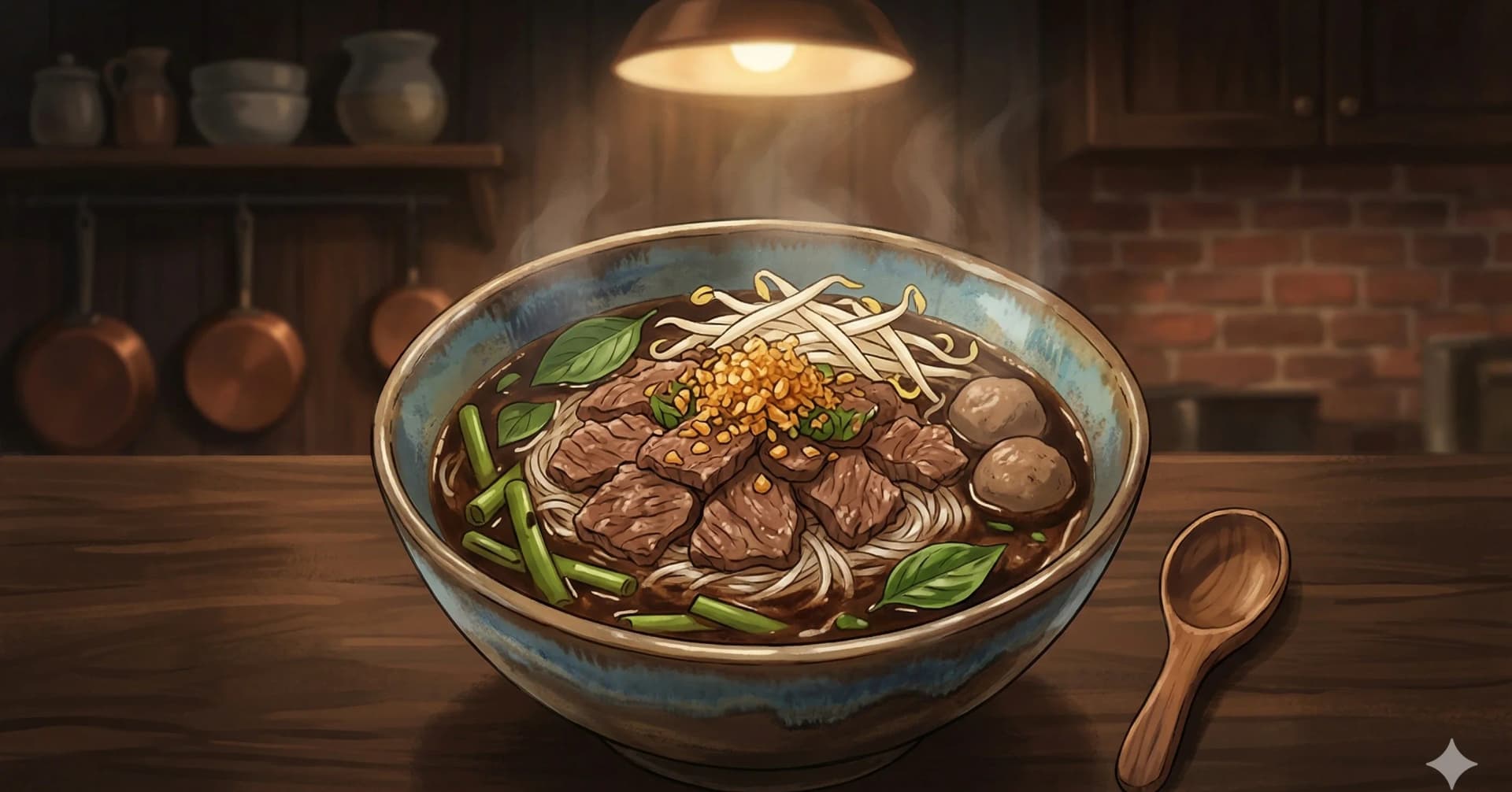
Boat Noodles (ก๋วยเตี๋ยวเรือ)
3 hours 15 minutes
 Medium
Vietnamese Cuisine
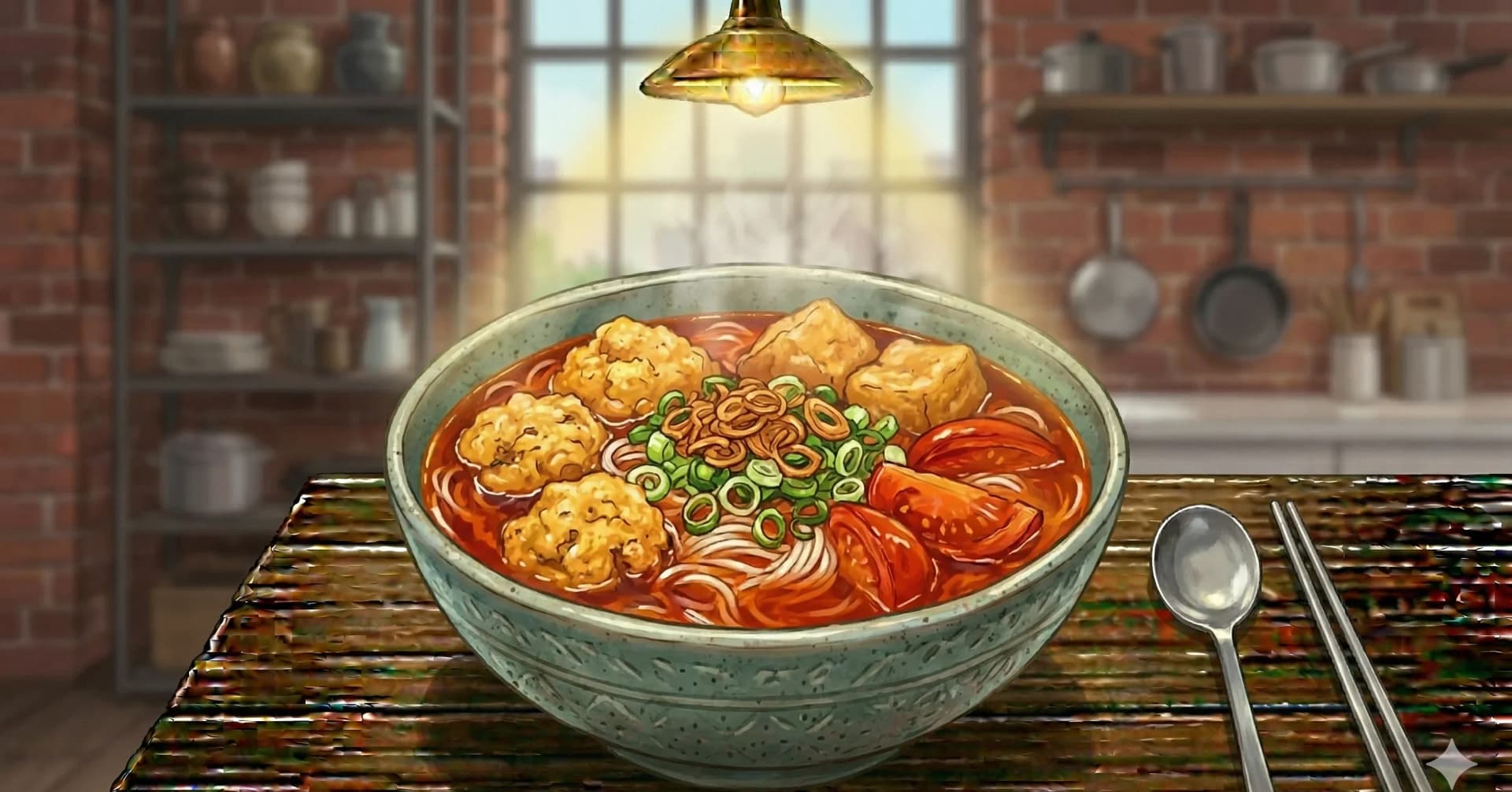
Bun Rieu (Vietnamese Crab and Tomato Noodle Soup)
2 hours
 Medium
Vietnamese Cuisine
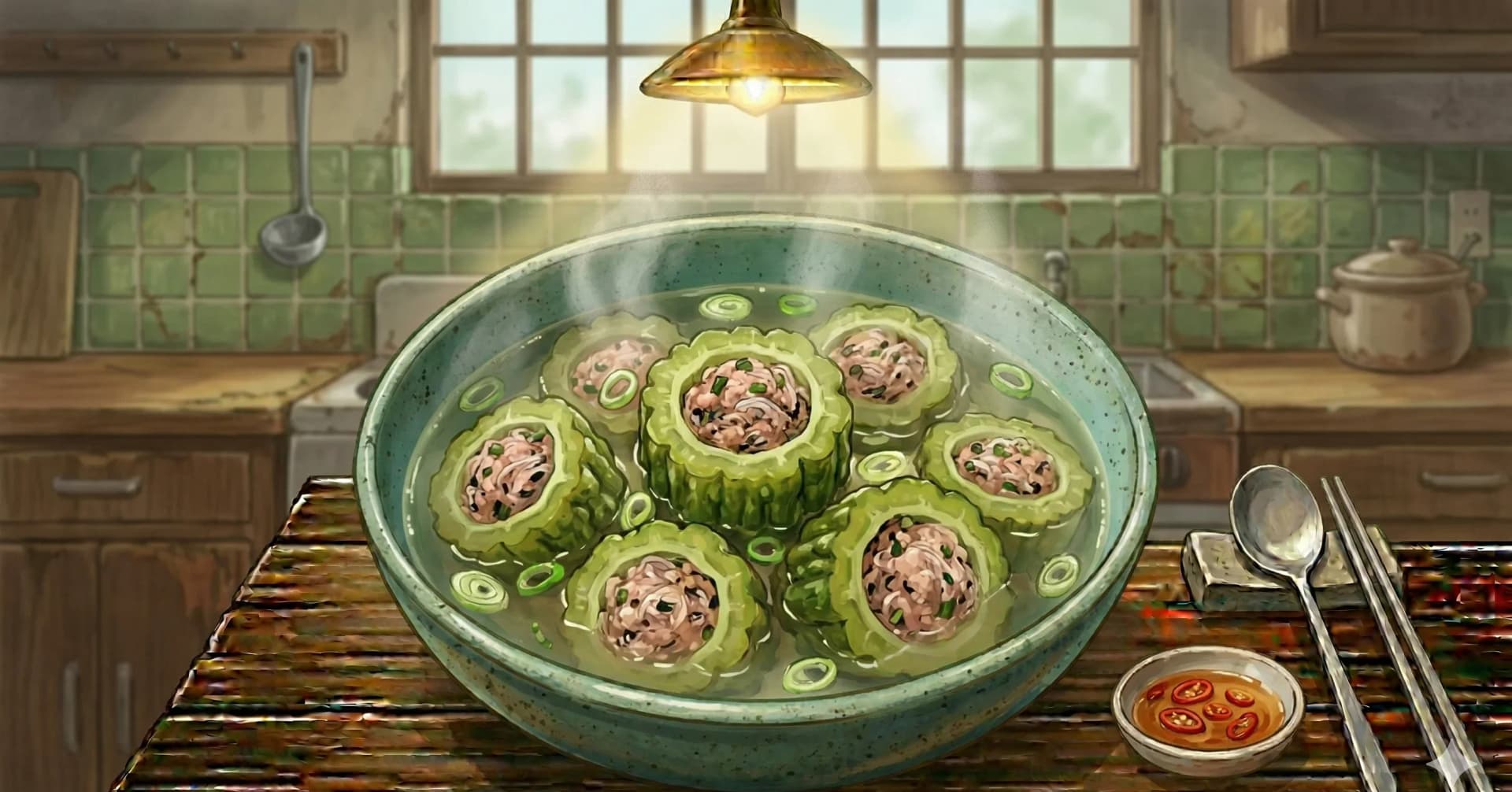
Canh Khổ Qua (Vietnamese Stuffed Bitter Melon Soup)
55 minutes
 Easy
EasyVietnamese Cuisine
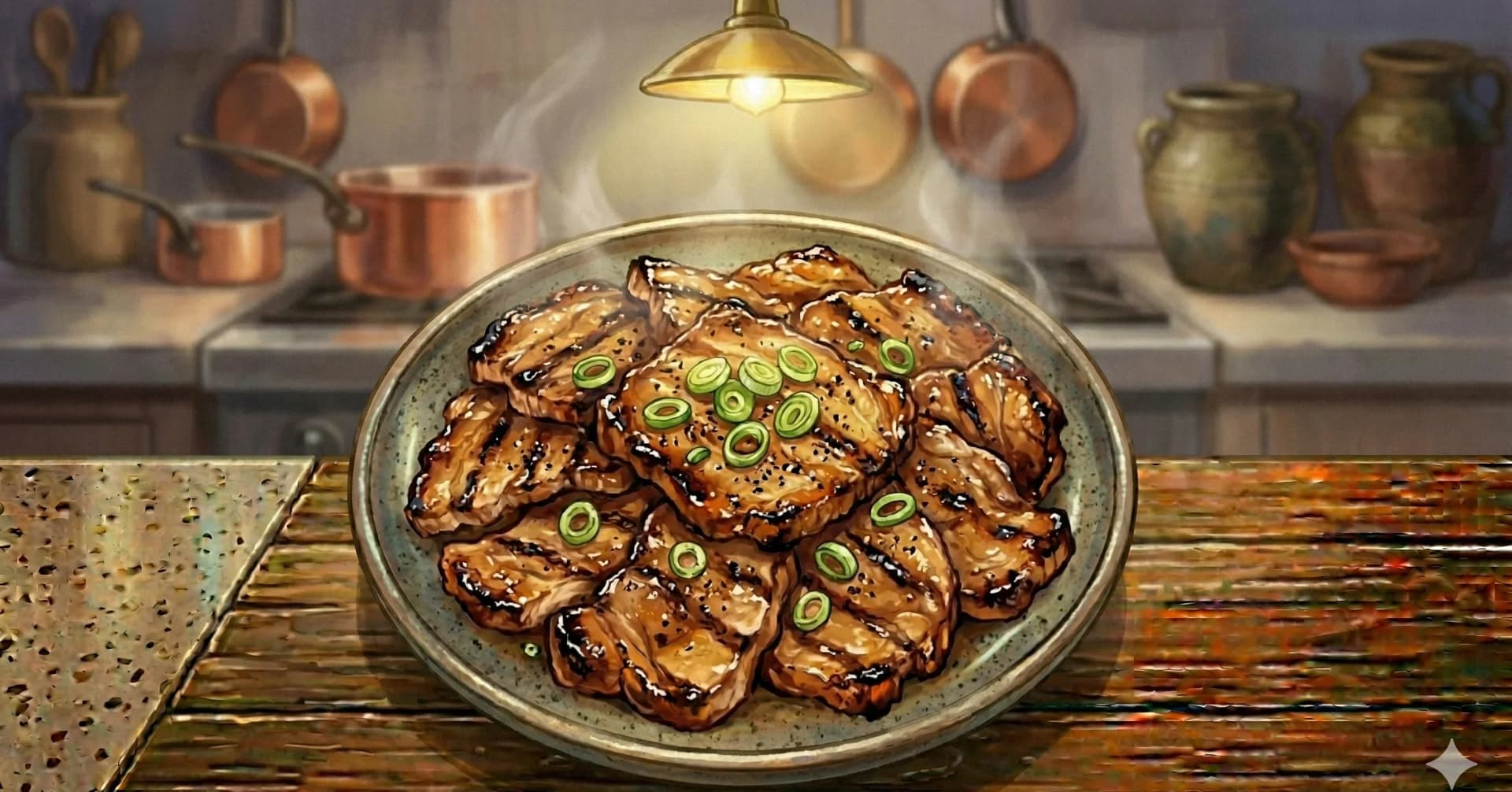
Grilled Lemongrass Pork (Thịt Nướng)
2 hours 30 minutes
Ratings & Comments
Ratings & Comments
Ratings
Share your thoughts on this recipe.
Sign in to rate and comment